Frank van Vree – författare
Visar alla böcker från författaren Frank van Vree. Handla med fri frakt och snabb leverans.
7 produkter
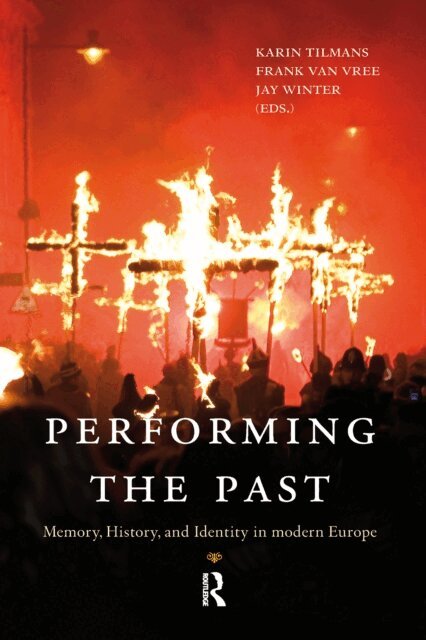
Performing the Past
Memory, History, and Identity in Modern Europe
Av Frank van Vree, Karin Tilmans m. fl.
E-bok, 2025
1284 kr
Lägg i varukorg
Performing the Past is an investigation of the multiple social and culture practices through which Europeans have negotiated the space between their history and their memory over the past 200 years. In museums, in opera houses, in the streets, in the schools, in theatres, in films, on the internet …
Performing the Past
Memory, History, and Identity in Modern Europe
Av Frank van Vree, Karin Tilmans m. fl.
E-bok, 2025
1256 kr
Lägg i varukorg
Performing the Past is an investigation of the multiple social and culture practices through which Europeans have negotiated the space between their history and their memory over the past 200 years. In museums, in opera houses, in the streets, in the schools, in theatres, in films, on the internet …
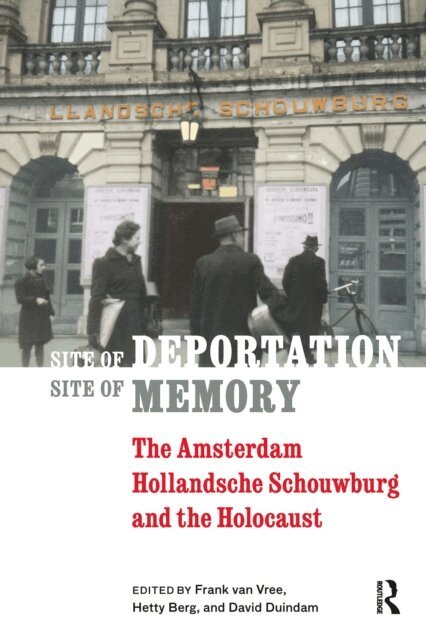
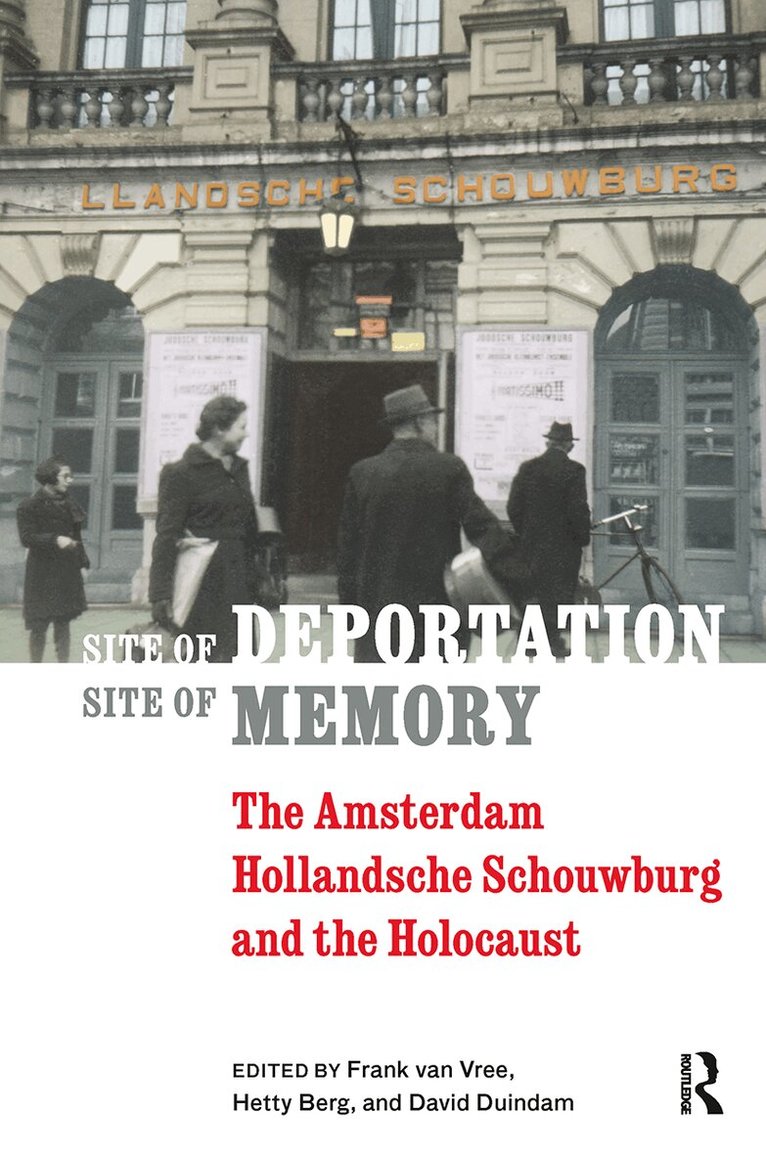
Site of Deportation, Site of Memory
The Amsterdam Hollandsche Schouwburg and the Holocaust
Av David Duindam, Hetty Berg m. fl.
E-bok, 2025
838 kr
Lägg i varukorg
The Hollandsche Schouwburg is a former theatre in Amsterdam where, during the Nazi occupation of the Netherlands, tens of thousands of Jews were assembled before being deported to transit and concentration camps. Before the war, the theatre had been an example of Jewish integration in the …
Site of Deportation, Site of Memory
The Amsterdam Hollandsche Schouwburg and the Holocaust
Av David Duindam, Hetty Berg m. fl.
E-bok, 2025
838 kr
Lägg i varukorg
The Hollandsche Schouwburg is a former theatre in Amsterdam where, during the Nazi occupation of the Netherlands, tens of thousands of Jews were assembled before being deported to transit and concentration camps. Before the war, the theatre had been an example of Jewish integration in the …
Site of Deportation, Site of Memory
The Amsterdam Hollandsche Schouwburg and the Holocaust
Av Frank van Vree, Hetty Berg m. fl.
Häftad, 2025
727 kr
Lägg i varukorg
The Hollandsche Schouwburg is a former theatre in Amsterdam where, during the Nazi occupation of the Netherlands, tens of thousands of Jews were assembled before being deported to transit and concentration camps. Before the war, the theatre had been an example of Jewish integration in the …
Site of Deportation, Site of Memory
The Amsterdam Hollandsche Schouwburg and the Holocaust
Av Frank van Vree, Hetty Berg m. fl.
Inbunden, 2017
776 kr
Lägg i varukorg
The Hollandsche Schouwburg is a former theatre in Amsterdam where, during the Nazi occupation of the Netherlands, tens of thousands of Jews were assembled before being deported to transit and concentration camps. Before the war, the theatre had been an example of Jewish integration in the …
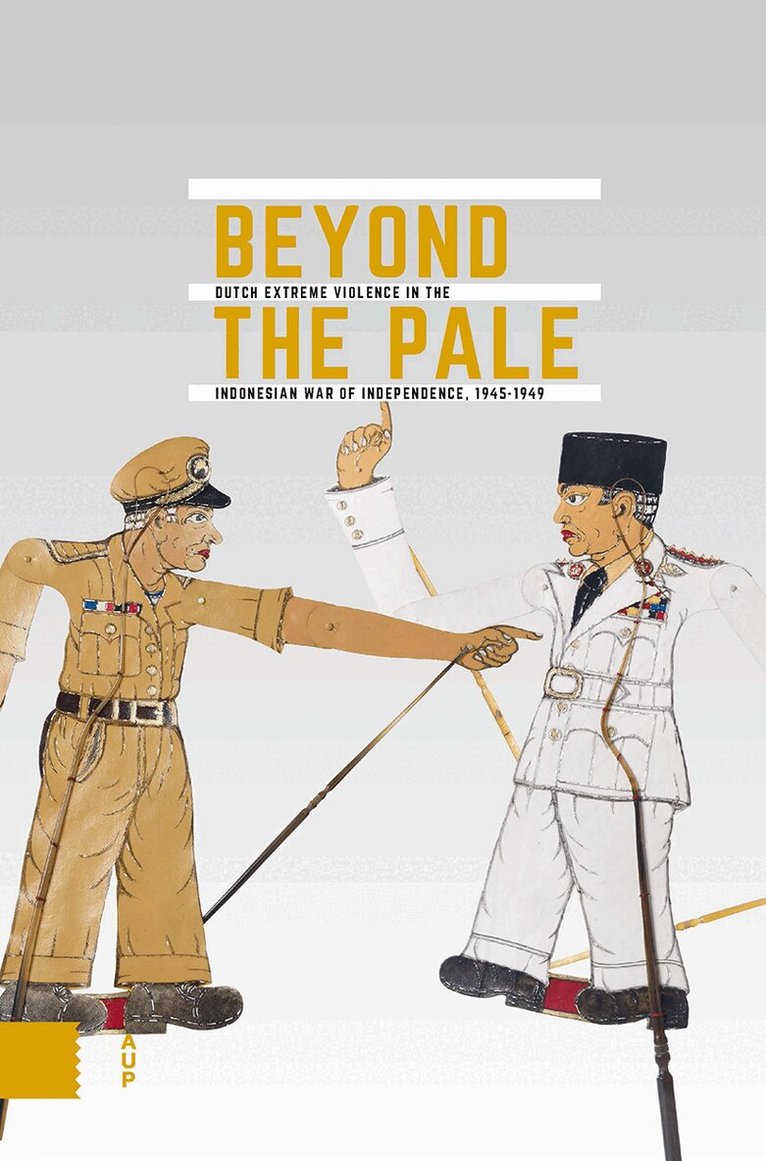
Beyond the Pale
Dutch Extreme Violence in the Indonesian War of Independence, 1945-1949
Av Kon Inst V Taal- Land- En Volkenkunde (K, Nederlands Instituut Voor Militaire Hist m. fl.
Inbunden, 2022
531 kr
Lägg i varukorg
Dutch Edition/Nederlandse editie: Over de grensOn 17 August 1945, two days after the Japanese surrender that also brought an end to the Second World War in Asia, Indonesia declared its independence. The declaration was not recognized by the Netherlands, which resorted to force in its attempt to …