
Frank Villafaña - Böcker
Visar alla böcker från författaren Frank Villafaña. Handla med fri frakt och snabb leverans.
10 produkter
10 produkter
274 kr
Skickas inom 5-8 vardagar
340 kr
Skickas inom 10-15 vardagar
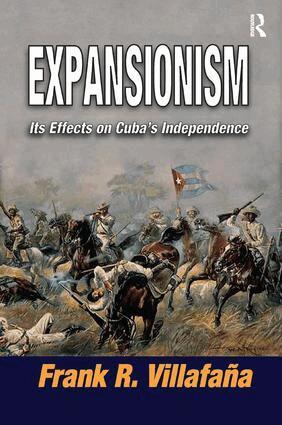
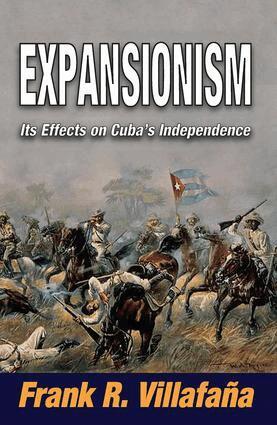
Starting in the early part of the nineteenth century, American administrations expressed a desire to own Cuba. A rationale for adding Cuba to the territory of the United States could be built on Cuba's sugar and tobacco industries, as well as Cuba's mineral deposits. But economics was not the primary motivation. American presidents knew that in the event of war, any nation occupying Cuba would have an advantage over the US military strategies; this fear, coupled with the economic benefit, explains a century of policy decisions.As Frank R. Villafana shows, Cubans were not sitting idle, waiting for outsiders to liberate them from Spanish oppression. A major part of this research is devoted to studying Cuban efforts to liberate their island from prolonged Spanish domination. Cuba had been struggling for independence from Spain since the 1830s, followed by the Ten Year War. During the 1895-1898 War of Independence, Cuba came close to defeating Spain, but a merciless Spanish military effort converted Cuba into a series of concentration camps.Spain surrendered after its naval defeats by the US at Manila Bay and Santiago de Cuba, following a failed ground campaign in eastern Cuba. After the US occupied Cuba militarily, American political leaders realized only a small minority of Cubans supported annexation, and the Platt Amendment was developed as a substitute. Today, most Cubans agree that independence, even constrained by the United States, was better than enslavement by the Castro brothers. However, as Villafana emphasizes, Cubans living in Cuba as well as abroad still seek a land free and independent of foreign threat and domestic tyrants.
2 037 kr
Skickas inom 10-15 vardagar
Understanding the history of psychiatry requires an accurate view of its function and purpose. In this provocative new study, Szasz challenges conventional beliefs about psychiatry. He asserts that, in fact, psychiatrists are not concerned with the diagnosis and treatment of bona fide illnesses. Psychiatric tradition, social expectation, and the law make it clear that coercion is the profession's determining characteristic.Psychiatrists may "diagnose" or "treat" people without their consent or even against their clearly expressed wishes, and these involuntary psychiatric interventions are as different as are sexual relations between consenting adults and the sexual violence we call "rape." But the point is not merely the difference between coerced and consensual psychiatry, but to contrast them. The term "psychiatry" ought to be applied to one or the other, but not both. As long as psychiatrists and society refuse to recognize this, there can be no real psychiatric historiography.The coercive character of psychiatry was more apparent in the past than it is now. Then, insanity was synonymous with unfitness for liberty. Toward the end of the nineteenth century, a new type of psychiatric relationship developed, when people experiencing so-called "nervous symptoms," sought help. This led to a distinction between two kinds of mental diseases: neuroses and psychoses. Persons who complained about their own behavior were classified as neurotic, whereas persons about whose behavior others complained were classified as psychotic. The legal, medical, psychiatric, and social denial of this simple distinction and its far-reaching implications undergirds the house of cards that is modern psychiatry. Coercion as Cure is the most important book by Szasz since his landmark The Myth of Mental Illness.
2 367 kr
Skickas inom 10-15 vardagar
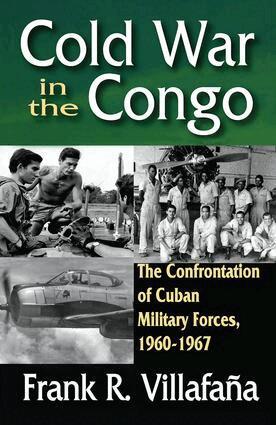
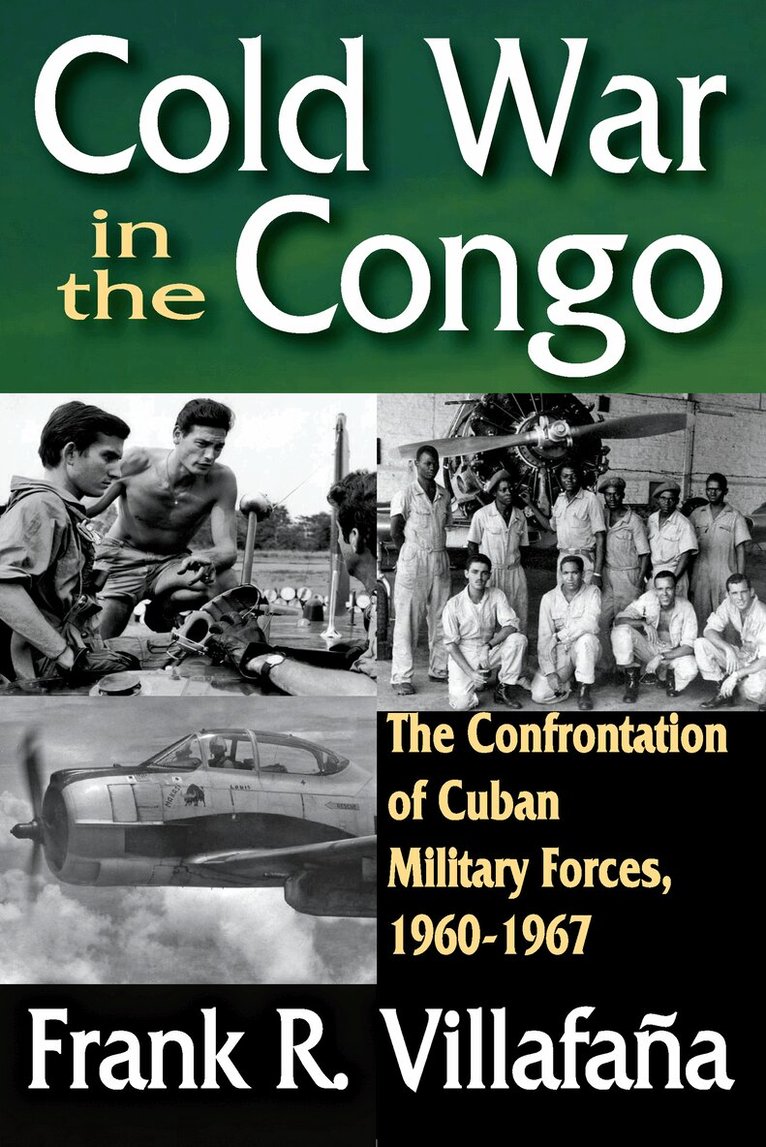
It is widely acknowledged that Congo became an East- West battlefield during the first half of the decade of the 1960s, yet the participation of Cuban exiles in the struggles is rarely noted. In this absorbing volume Villafana details the contribution made by Cuban exiles to the preservation of democracy in Congo.When Congo was given its independence by Belgium in 1960, most of its people believed their new government had been installed by the West and opposed it. Anti-colonial, anti-government Congolese patriots started fighting. Some were pro-communist, some anti-communist, and most didn't know the difference. Many countries were involved on both sides of this conflict: Cuba, the Soviet Union, The People's Republic of China, the United States (represented by military advisors, the CIA and Cuban exiles), Belgium, France, the United Kingdom, and several African nations. The Cold War made the involvement of some of these countries predictable, but not the Cuban involvement.Villafana explores reasons for Castro's involvement in Congo. He considers whether Castro was operating with a master plan, of which Africa was a key. He discusses why Castro chose Che Guevara to head the ill-fated military expedition. He contemplates why the United States allowed Castro to freely export his revolution, and why it used Cuban exiles to prevent the mineral riches of Congo from falling into the hands of international communism. Villafana shows that CIA-sponsored Miami Cuban exiles were instrumental in thwarting Castro's plans for Congo, which were believed to have included a confederacy with Tanzania and Congo (Brazzaville), to gain control of Central Africa and its vast resources.
239 kr
Skickas inom 5-8 vardagar
256 kr
Skickas inom 5-8 vardagar
298 kr
Skickas inom 5-8 vardagar
715 kr
Skickas inom 10-15 vardagar
Understanding the history of psychiatry requires an accurate view of its function and purpose. In this provocative new study, Szasz challenges conventional beliefs about psychiatry. He asserts that, in fact, psychiatrists are not concerned with the diagnosis and treatment of bona fide illnesses. Psychiatric tradition, social expectation, and the law make it clear that coercion is the profession's determining characteristic.Psychiatrists may "diagnose" or "treat" people without their consent or even against their clearly expressed wishes, and these involuntary psychiatric interventions are as different as are sexual relations between consenting adults and the sexual violence we call "rape." But the point is not merely the difference between coerced and consensual psychiatry, but to contrast them. The term "psychiatry" ought to be applied to one or the other, but not both. As long as psychiatrists and society refuse to recognize this, there can be no real psychiatric historiography.The coercive character of psychiatry was more apparent in the past than it is now. Then, insanity was synonymous with unfitness for liberty. Toward the end of the nineteenth century, a new type of psychiatric relationship developed, when people experiencing so-called "nervous symptoms," sought help. This led to a distinction between two kinds of mental diseases: neuroses and psychoses. Persons who complained about their own behavior were classified as neurotic, whereas persons about whose behavior others complained were classified as psychotic. The legal, medical, psychiatric, and social denial of this simple distinction and its far-reaching implications undergirds the house of cards that is modern psychiatry. Coercion as Cure is the most important book by Szasz since his landmark The Myth of Mental Illness.
2 096 kr
Skickas inom 10-15 vardagar
Starting in the early part of the nineteenth century, American administrations expressed a desire to own Cuba. A rationale for adding Cuba to the territory of the United States could be built on Cuba's sugar and tobacco industries, as well as Cuba's mineral deposits. But economics was not the primary motivation. American presidents knew that in the event of war, any nation occupying Cuba would have an advantage over the US military strategies; this fear, coupled with the economic benefit, explains a century of policy decisions.As Frank R. Villafana shows, Cubans were not sitting idle, waiting for outsiders to liberate them from Spanish oppression. A major part of this research is devoted to studying Cuban efforts to liberate their island from prolonged Spanish domination. Cuba had been struggling for independence from Spain since the 1830s, followed by the Ten Year War. During the 1895-1898 War of Independence, Cuba came close to defeating Spain, but a merciless Spanish military effort converted Cuba into a series of concentration camps.Spain surrendered after its naval defeats by the US at Manila Bay and Santiago de Cuba, following a failed ground campaign in eastern Cuba. After the US occupied Cuba militarily, American political leaders realized only a small minority of Cubans supported annexation, and the Platt Amendment was developed as a substitute. Today, most Cubans agree that independence, even constrained by the United States, was better than enslavement by the Castro brothers. However, as Villafana emphasizes, Cubans living in Cuba as well as abroad still seek a land free and independent of foreign threat and domestic tyrants.
729 kr
Skickas inom 10-15 vardagar
It is widely acknowledged that Congo became an East- West battlefield during the first half of the decade of the 1960s, yet the participation of Cuban exiles in the struggles is rarely noted. In this absorbing volume Villafana details the contribution made by Cuban exiles to the preservation of democracy in Congo.When Congo was given its independence by Belgium in 1960, most of its people believed their new government had been installed by the West and opposed it. Anti-colonial, anti-government Congolese patriots started fighting. Some were pro-communist, some anti-communist, and most didn't know the difference. Many countries were involved on both sides of this conflict: Cuba, the Soviet Union, The People's Republic of China, the United States (represented by military advisors, the CIA and Cuban exiles), Belgium, France, the United Kingdom, and several African nations. The Cold War made the involvement of some of these countries predictable, but not the Cuban involvement.Villafana explores reasons for Castro's involvement in Congo. He considers whether Castro was operating with a master plan, of which Africa was a key. He discusses why Castro chose Che Guevara to head the ill-fated military expedition. He contemplates why the United States allowed Castro to freely export his revolution, and why it used Cuban exiles to prevent the mineral riches of Congo from falling into the hands of international communism. Villafana shows that CIA-sponsored Miami Cuban exiles were instrumental in thwarting Castro's plans for Congo, which were believed to have included a confederacy with Tanzania and Congo (Brazzaville), to gain control of Central Africa and its vast resources.