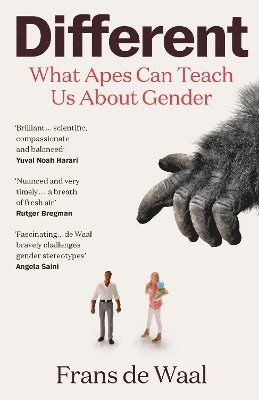
Frans de Waal – författare
223 kr
Skickas
"En av de viktigaste böcker jag läst. Fullspäckad med fakta och aha-upplevelser om biologin bakom våra känslor men ändå lättläst, humanistisk och med djupaste respekt för våra kusiner i djurriket." Anders Hansen, psykiatriker och författare
"En fängslande och varmhjärtad bok, full av medkänsla och sprängladdad med insikter om djurs liv, människans inkluderat" Yuval Noah Harari, författare till Sapiens: en kort historik över mänskligheten
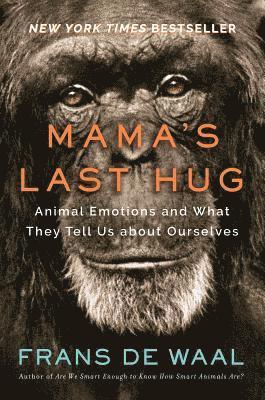
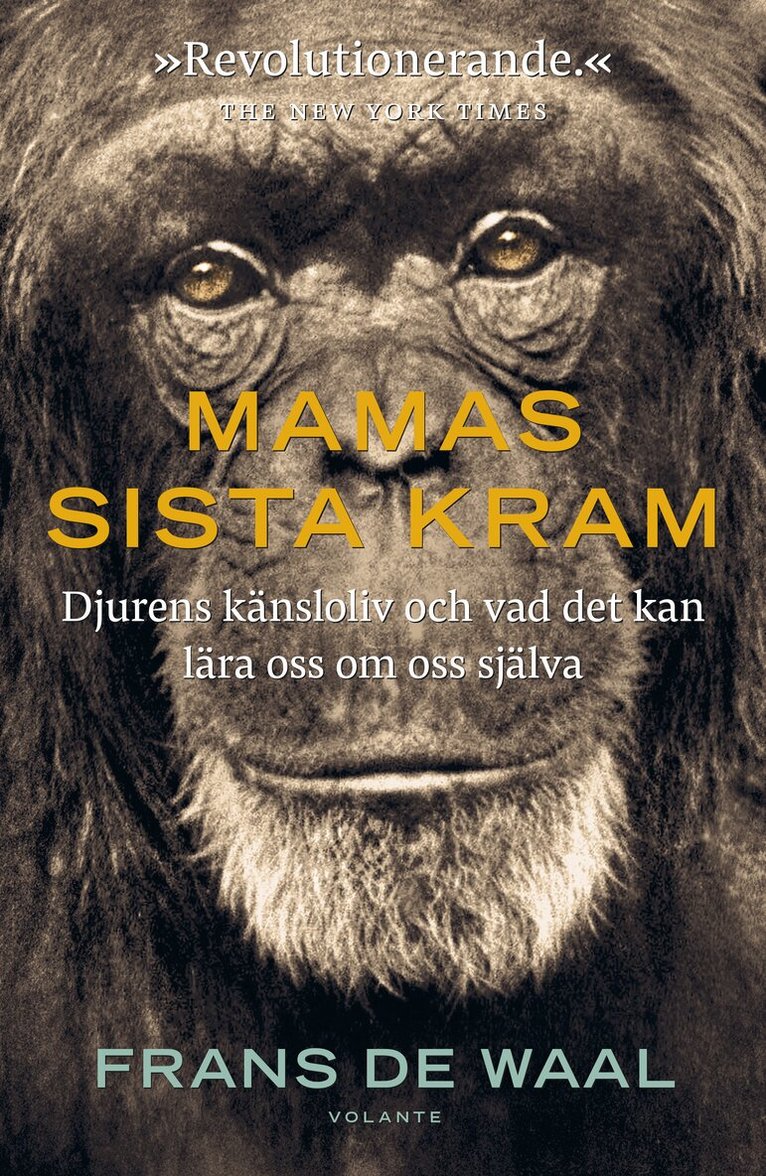
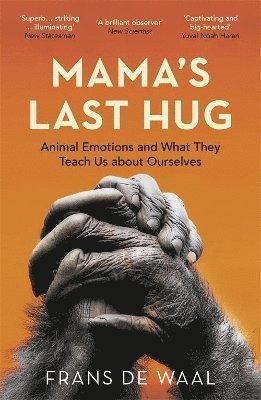
Mama, matriarken i sin schimpanskoloni, ligger för döden. Hon har varit apatisk i veckor. Men så får hon ett oväntat besök från en gammal vän, en mänsklig forskare – och hon skiner upp av lycka. Deras sista möte fångas på film, vilket i sin tur fångar miljontals världen över.
Frans de Waal tar avstamp i berättelsen om Mama. Han visar oss inte bara det enormt starka band hon och hennes vän delade, utan också djurens fantastiskt djupa och komplicerade känsloliv. I denna banbrytande och underhållande bok presenterar de Waal resultatet av sina revolutionerande studier av schimpanser, bonoboer och andra primater, tillsammans med personliga möten med andra arter som lämnat stora avtryck.
de Waals upptäckter är lika radikala som instinktivt sannklingande: Precis som det inte finns ett enda organ som är unikt för människan, har vi inte en enda unik känsla. Sådant vi länge har sett som djupt mänskligt glädje, sorg, skam, kärlek, smärta och lycka återfinns hos andra arter, som verkar i egna avancerade sociala system. Detta får konsekvenser för hur vi ser vår egen plats i näringskedjan, hur vi bör förhålla oss till husdjur och bruksdjur, och inte minst för vår roll i det pågående massutdöendet.
Det här en bok ingen av oss har råd att missa.
Frans de Waal var en holländsk primatolog, psykolog och specialist på djurs beteende som blev känd världen över för sin banbrytande forskning. Han har blivit utsedd till en av Times 100 mest inflytelserika människor. de Waal innehöll en position som Charles Howard Candler Professor i primatbeteende vid Emory University och leder Emory Universitys Living Links Center. Han tilldelades över 20 distingerade utmärkelser från universitet och privata aktörer världen över samt höll i TED-talks vid tre olika tillfällen.
"Superb slående anmärkningsvärd upplysande" New Statesman
"En övertygande bok, och de Waal är en ypperlig observatör av primaters beteenden och enormt kunnig ... ett fönster in i scimpansernas liv, och en spegel för vårt eget" The Times
"Frans de Waal har tillbringat större delen av sitt liv med att iaktta schimpanser, och hans forskningsresultat har förändrat vår förståelse för djurriket" Sunday Times
"Inte nog med att den här boken är utomordentligt viktig, den är också rolig att läsa, en riktig bladvändare. Jag kan inte hylla den nog, den är fullständigt briljant." Elizabeth Marshall Thomas
120 kr
Skickas
120 kr
Skickas
320 kr
Skickas inom 5-8 vardagar
126 kr
Skickas
524 kr
Skickas inom 3-6 vardagar
136 kr
Skickas
272 kr
Skickas inom 3-6 vardagar
127 kr
Skickas
156 kr
Läs direkt efter köp
212 kr
Läs direkt efter köp
262 kr
Skickas inom 5-8 vardagar
263 kr
Skickas inom 5-8 vardagar
177 kr
Skickas inom 5-8 vardagar
131 kr
Skickas inom 5-8 vardagar
263 kr
Skickas inom 5-8 vardagar
155 kr
Skickas inom 5-8 vardagar
185 kr
Läs direkt efter köp
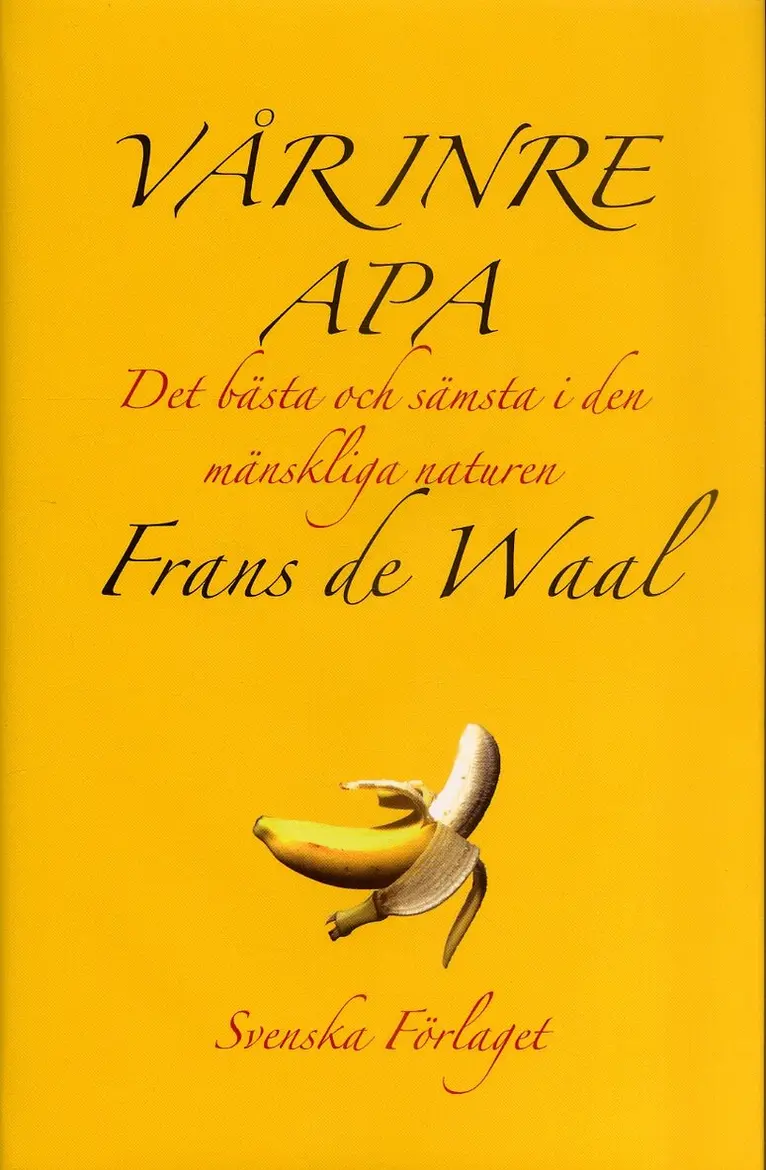
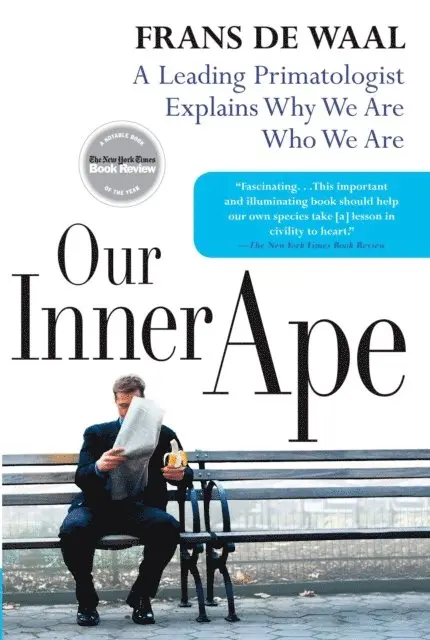
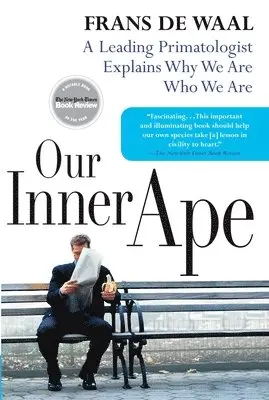
It’s no secret that humans and apes share a host of traits, from the tribal communities we form to our irrepressible curiosity. We have a common ancestor, scientists tell us, so it’s natural that we act alike. But not all of these parallels are so appealing: the chimpanzee, for example, can be as vicious and manipulative as any human.
Yet there’s more to our shared primate heritage than just our violent streak. In Our Inner Ape, Frans de Waal, one of the world’s great primatologists and a renowned expert on social behavior in apes, presents the provocative idea that our noblest qualities—generosity, kindness, altruism—are as much a part of our nature as are our baser instincts. After all, we share them with another primate: the lesser-known bonobo. As genetically similar to man as the chimpanzee, the bonobo has a temperament and a lifestyle vastly different from those of its genetic cousin. Where chimps are aggressive, territorial, and hierarchical, bonobos are gentle, loving, and erotic (sex for bonobos is as much about pleasure and social bonding as it is about reproduction).
While the parallels between chimp brutality and human brutality are easy to see, de Waal suggests that the conciliatory bonobo is just as legitimate a model to study when we explore our primate heritage. He even connects humanity’s desire for fairness and its morality with primate behavior, offering a view of society that contrasts markedly with the caricature people have of Darwinian evolution. It’s plain that our finest qualities run deeper in our DNA than experts have previously thought.
Frans de Waal has spent the last two decades studying our closest primate relations, and his observations of each species in Our Inner Ape encompass the spectrum of human behavior. This is an audacious book, an engrossing discourse that proposes thought-provoking and sometimes shocking connections among chimps, bonobos, and those most paradoxical of apes, human beings.
116 kr
Skickas
280 kr
Kommande
340 kr
Kommande
201 kr
Läs direkt efter köp
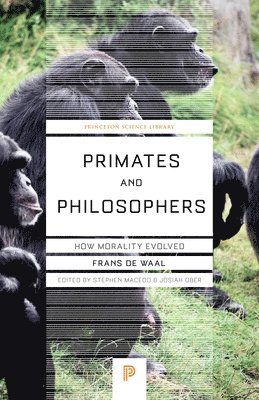
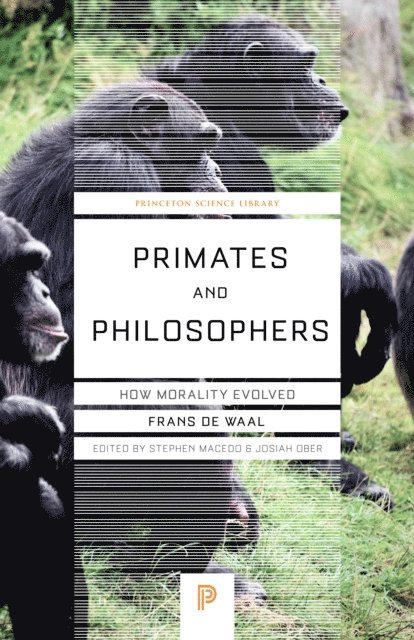
Can virtuous behavior be explained by nature, and not by human rational choice? "It''s the animal in us," we often hear when we''ve been bad. But why not when we''re good? Primates and Philosophers tackles this question by exploring the biological foundations of one of humanity''s most valued traits: morality. In this provocative book, renowned primatologist Frans de Waal argues that modern-day evolutionary biology takes far too dim a view of the natural world, emphasizing our "selfish" genes and reinforcing our habit of labeling ethical behavior as humane and the less civilized as animalistic. Seeking the origin of human morality not in evolution but in human culture, science insists that we are moral by choice, not by nature. Citing remarkable evidence based on his extensive research of primate behavior, de Waal attacks "Veneer Theory," which posits morality as a thin overlay on an otherwise nasty nature. He explains how we evolved from a long line of animals that care for the weak and build cooperation with reciprocal transactions. Drawing on Darwin, recent scientific advances, and his extensive research of primate behavior, de Waal demonstrates a strong continuity between human and animal behavior. He probes issues such as anthropomorphism and human responsibilities toward animals. His compelling account of how human morality evolved out of mammalian society will fascinate anyone who has ever wondered about the origins and reach of human goodness. Based on the Tanner Lectures de Waal delivered at Princeton University''s Center for Human Values in 2004, Primates and Philosophers includes responses by the philosophers Peter Singer, Christine M. Korsgaard, and Philip Kitcher and the science writer Robert Wright. They press de Waal to clarify the differences between humans and other animals, yielding a lively debate that will fascinate all those who wonder about the origins and reach of human goodness.
289 kr
Lyssna direkt efter köp
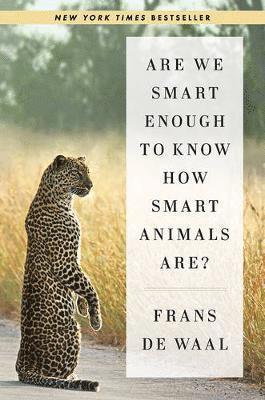
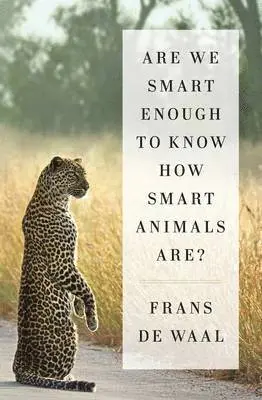
From world-renowned biologist and primatologist Frans de Waal comes this groundbreaking work on animal intelligence destined to become a classic.
What separates your mind from an animal’s? Maybe you think it’s your ability to design tools, your sense of self, or your grasp of past and future―all traits that have helped us define ourselves as the planet’s preeminent species. But in recent decades, these claims have been eroded—or even disproved outright—by a revolution in the study of animal cognition.
Take the way octopuses use coconut shells as tools; elephants that classify humans by age, gender, and language; or Ayumu, the young male chimpanzee at Kyoto University whose flash memory puts that of humans to shame.
Based on research involving crows, dolphins, parrots, sheep, wasps, bats, whales, and of course chimpanzees and bonobos, Frans de Waal explores both the scope and the depth of animal intelligence. He offers a firsthand account of how science has stood traditional behaviorism on its head by revealing how smart animals really are—and how we’ve underestimated their abilities for too long.
People often assume a cognitive ladder, from lower to higher forms, with our own intelligence at the top. But what if it is more like a bush, with cognition taking different, often incomparable, forms? Would you presume yourself dumber than a squirrel because you’re less adept at recalling the locations of hundreds of buried acorns? Or would you judge your perception of your surroundings as more sophisticated than that of a echolocating bat?
De Waal reviews the rise and fall of the mechanistic view of animals and opens our minds to the idea that animal minds are far more intricate and complex than we have assumed. De Waal’s landmark work will convince you to rethink everything you thought you knew about animal―and human―intelligence.
326 kr
Skickas inom 3-6 vardagar
119 kr
Skickas
204 kr
Kommande
120 kr
Skickas
550 kr
Läs direkt efter köp
564 kr
Skickas inom 10-15 vardagar
215 kr
Läs direkt efter köp