Fred Fang-yu Wang – författare
Visar alla böcker från författaren Fred Fang-yu Wang. Handla med fri frakt och snabb leverans.
4 produkter
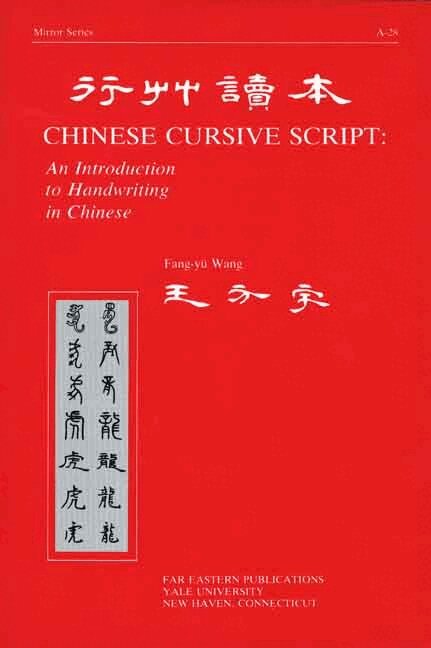
Chinese Cursive Script
An Introduction to Handwriting in Chinese
Häftad, 2005
506 kr
Lägg i varukorg
In this useful volume, Fred Fang-yu Wang presents materials designed to help solve an often vexing problem for students of Chinese: how to recognize and write handwritten or cursive Chinese characters.Such forms are not usually taught in the regular language programs in schools and colleges. Yet …
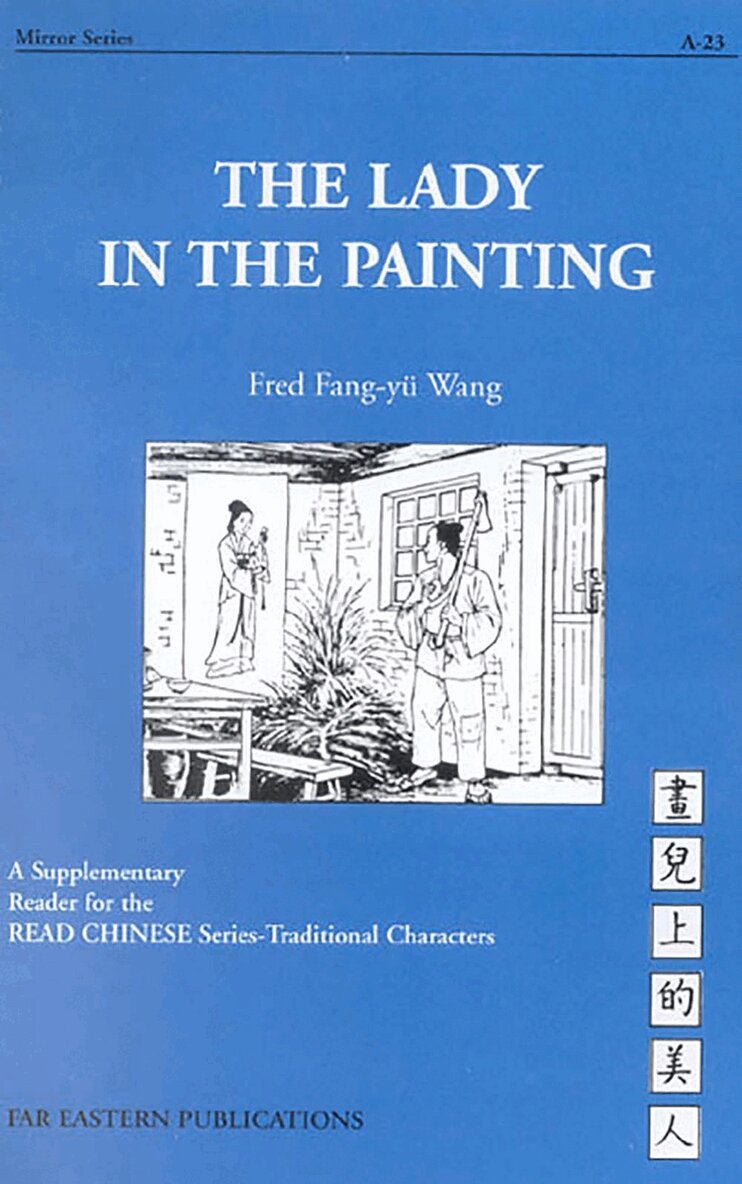
Lady in the Painting
Häftad, 2005
299 kr
Lägg i varukorg
A well-known chinese folktale is retold here within the limits of an elementary 300 character vocabulary. Yale and Pinyin romanization with Traditional characters. An excellent text for beginning Chinese students.
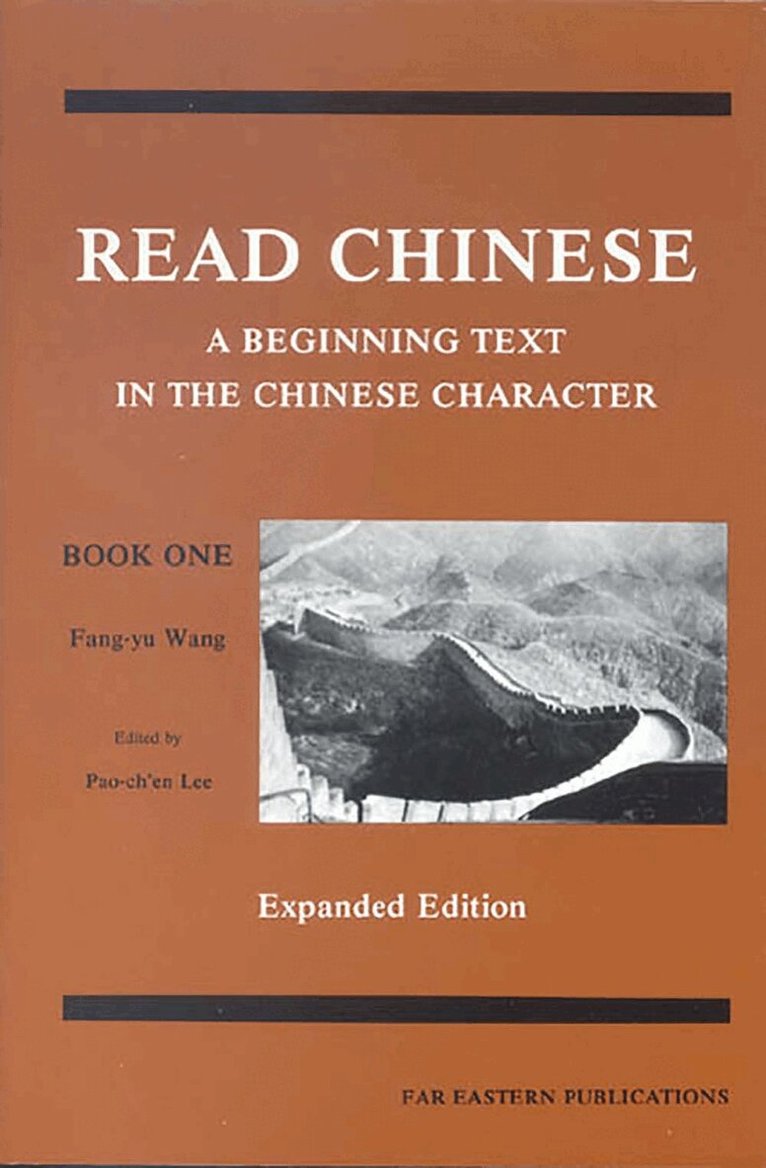
Read Chinese, Book One
A Beginning Text in the Chinese Character
Häftad, 2005
506 kr
Lägg i varukorg
This basic beginning reader covers the first three hundred Chinese characters, in both simplified and traditional forms. The text uses both pinyin and Yale romanization where appropriate, and includes writing and stroke order charts.
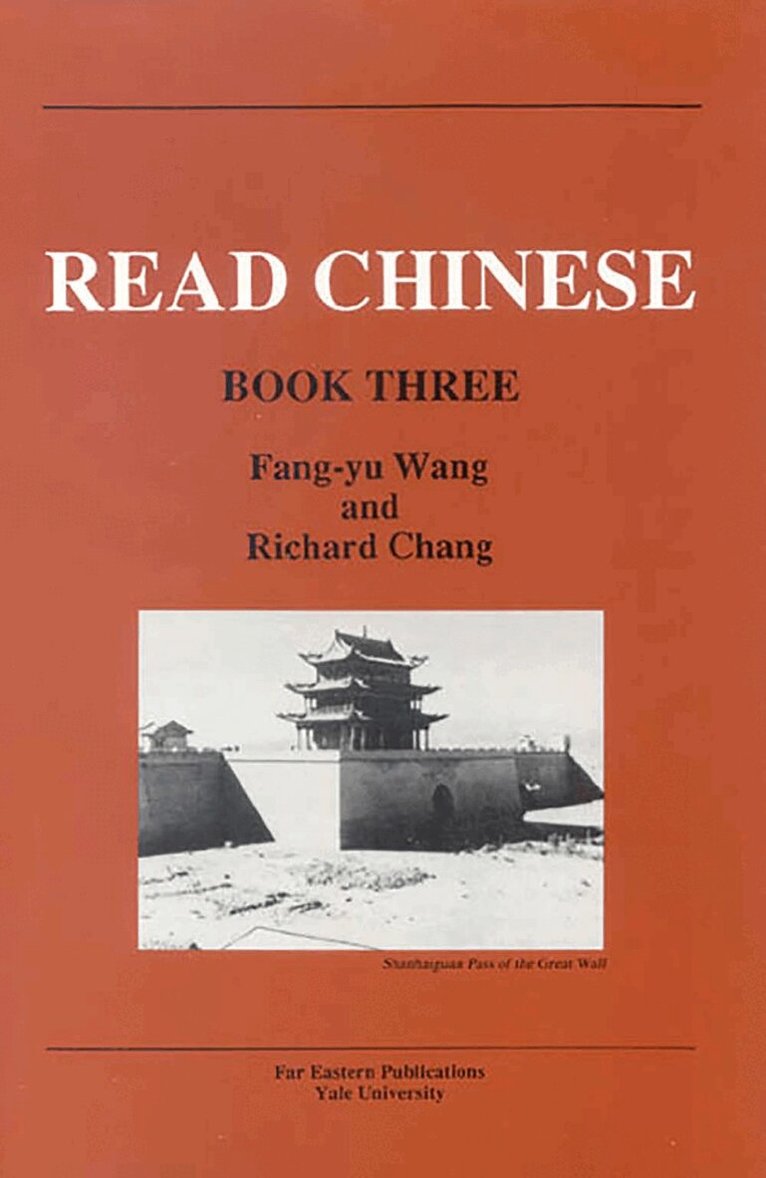
Read Chinese, Book Three
Av Fred Fang-yu Wang, Richard Chang
Häftad, 2005
393 kr
Lägg i varukorg
This third book of the Read Chinese series covers an additional four hundred Chinese characters, in both simplified and traditional forms. The selections are drawn from modern narrative and expository prose, as well as plays and other materials. The text uses Yale romanization and traditional …