Fred Moten - Böcker
Visar alla böcker från författaren Fred Moten. Handla med fri frakt och snabb leverans.
19 produkter
19 produkter
283 kr
Skickas inom 7-10 vardagar
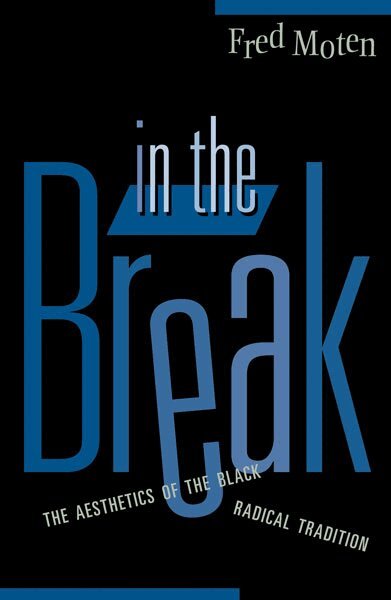
Investigates the connections between jazz, sexual identity, and radical black politicsIn his controversial essay on white jazz musician Burton Greene, Amiri Baraka asserted that jazz was exclusively an African American art form and explicitly fused the idea of a black aesthetic with radical political traditions of the African diaspora. In the Break is an extended riff on “The Burton Greene Affair,” exploring the tangled relationship between black avant-garde in music and literature in the 1950s and 1960s, the emergence of a distinct form of black cultural nationalism, and the complex engagement with and disavowal of homoeroticism that bridges the two. Fred Moten focuses in particular on the brilliant improvisatory jazz of John Coltrane, Ornette Coleman, Albert Ayler, Eric Dolphy, Charles Mingus, and others, arguing that all black performance-culture, politics, sexuality, identity, and blackness itself-is improvisation.For Moten, improvisation provides a unique epistemological standpoint from which to investigate the provocative connections between black aesthetics and Western philosophy. He engages in a strenuous critical analysis of Western philosophy (Heidegger, Kant, Husserl, Wittgenstein, and Derrida) through the prism of radical black thought and culture. As the critical, lyrical, and disruptive performance of the human, Moten’s concept of blackness also brings such figures as Frederick Douglass and Karl Marx, Cecil Taylor and Samuel R. Delany, Billie Holiday and William Shakespeare into conversation with each other.Stylistically brilliant and challenging, much like the music he writes about, Moten’s wide-ranging discussion embraces a variety of disciplines-semiotics, deconstruction, genre theory, social history, and psychoanalysis-to understand the politicized sexuality, particularly homoeroticism, underpinning black radicalism. In the Break is the inaugural volume in Moten’s ambitious intellectual project-to establish an aesthetic genealogy of the black radical tradition
248 kr
Skickas inom 3-6 vardagar
The Little Edges is a collection of poems that extends poet Fred Moten’s experiments in what he calls “shaped prose”—a way of arranging prose in rhythmic blocks, or sometimes shards, in the interest of audio-visual patterning. Shaped prose is a form that works the “little edges” of lyric and discourse, and radiates out into the space between them. As occasional pieces, many of the poems in the book are the result of a request or commission to comment upon a work of art, or to memorialize a particular moment or person. In Moten’s poems, the matter and energy of a singular event or person are transformed by their entrance into the social space that they, in turn, transform. An online reader’s companion is available at http://fredmoten.site.wesleyan.edu.
1 218 kr
Skickas inom 7-10 vardagar
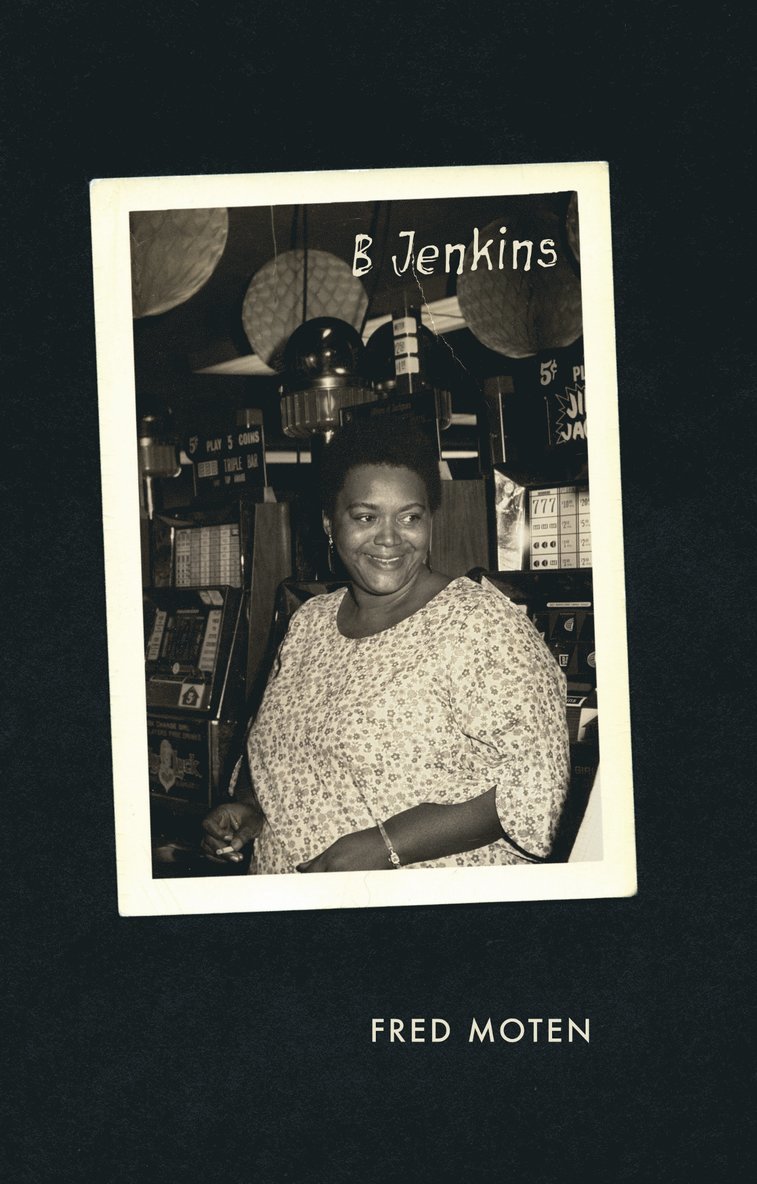
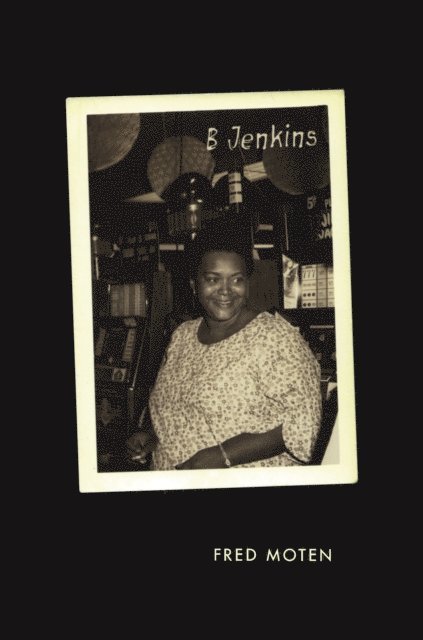
The fourth collection of poetry from the literary and cultural critic Fred Moten, B Jenkins is named after the poet’s mother, who passed away in 2000. It is both an elegy and an inquiry into many of the themes that Moten has explored throughout his career: language, music, performance, improvisation, and the black radical aesthetic and political tradition. In Moten’s verse, the arts, scholarship, and activism intertwine. Cadences echo from his mother’s Arkansas home through African American history and avant-garde jazz riffs. Formal innovations suggest the ways that words, sounds, and music give way to one another.The first and last poems in the collection are explicitly devoted to Moten’s mother; the others relate more obliquely to her life and legacy. They invoke performers, writers, artists, and thinkers including not only James Baldwin, Roland Barthes, Frederick Douglass, Billie Holiday, Audre Lorde, Charlie Parker, and Cecil Taylor, but also contemporary scholars of race, affect, and queer theory. The book concludes with an interview conducted by Charles Henry Rowell, the editor of the journal Callaloo. Rowell elicits Moten’s thoughts on the relation of his poetry to theory, music, and African American vernacular culture.
326 kr
Skickas inom 3-6 vardagar
The fourth collection of poetry from the literary and cultural critic Fred Moten, B Jenkins is named after the poet’s mother, who passed away in 2000. It is both an elegy and an inquiry into many of the themes that Moten has explored throughout his career: language, music, performance, improvisation, and the black radical aesthetic and political tradition. In Moten’s verse, the arts, scholarship, and activism intertwine. Cadences echo from his mother’s Arkansas home through African American history and avant-garde jazz riffs. Formal innovations suggest the ways that words, sounds, and music give way to one another.The first and last poems in the collection are explicitly devoted to Moten’s mother; the others relate more obliquely to her life and legacy. They invoke performers, writers, artists, and thinkers including not only James Baldwin, Roland Barthes, Frederick Douglass, Billie Holiday, Audre Lorde, Charlie Parker, and Cecil Taylor, but also contemporary scholars of race, affect, and queer theory. The book concludes with an interview conducted by Charles Henry Rowell, the editor of the journal Callaloo. Rowell elicits Moten’s thoughts on the relation of his poetry to theory, music, and African American vernacular culture.
1 309 kr
Skickas inom 7-10 vardagar
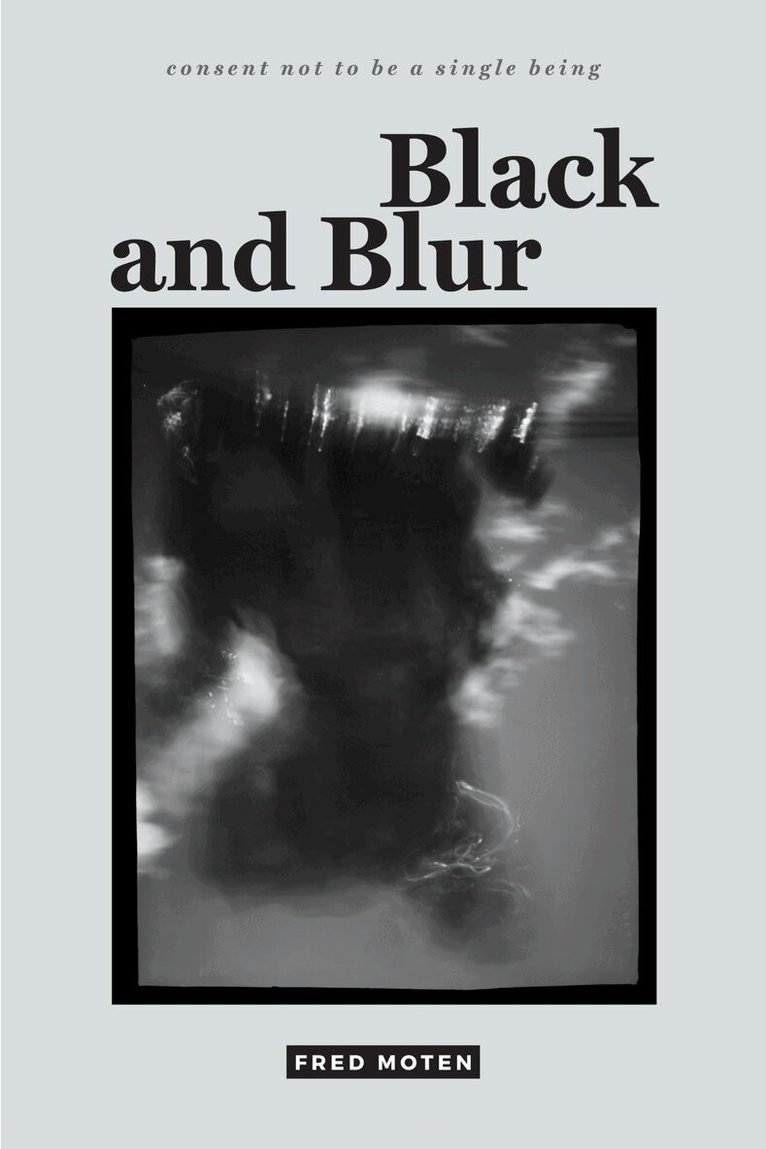
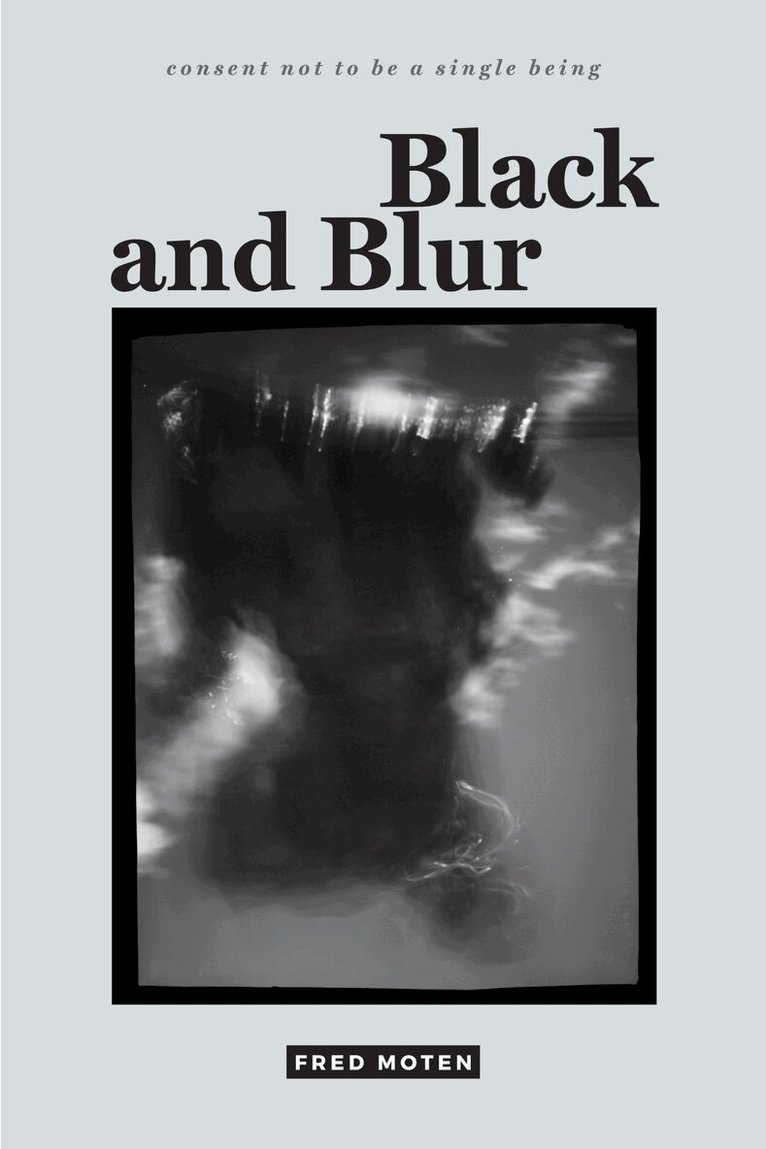
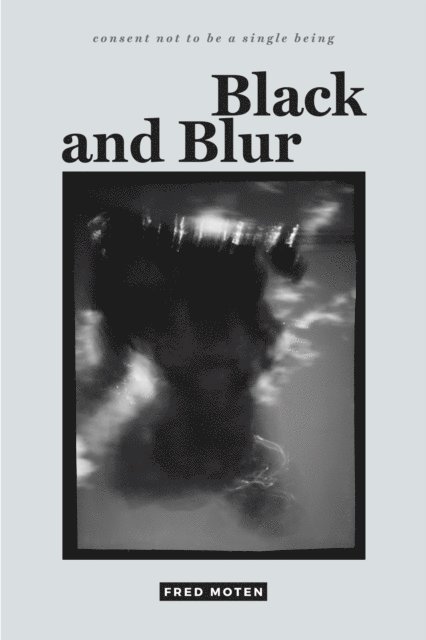
"Taken as a trilogy, consent not to be a single being is a monumental accomplishment: a brilliant theoretical intervention that might be best described as a powerful case for blackness as a category of analysis."-Brent Hayes Edwards, author of Epistrophies: Jazz and the Literary ImaginationIn Black and Blur-the first volume in his sublime and compelling trilogy consent not to be a single being-Fred Moten engages in a capacious consideration of the place and force of blackness in African diaspora arts, politics, and life. In these interrelated essays, Moten attends to entanglement, the blurring of borders, and other practices that trouble notions of self-determination and sovereignty within political and aesthetic realms. Black and Blur is marked by unlikely juxtapositions: Althusser informs analyses of rappers Pras and Ol' Dirty Bastard; Shakespeare encounters Stokely Carmichael; thinkers like Kant, Adorno, and JosÉ Esteban MuÑoz and artists and musicians including Thornton Dial and Cecil Taylor play off each other. Moten holds that blackness encompasses a range of social, aesthetic, and theoretical insurgencies that respond to a shared modernity founded upon the sociological catastrophe of the transatlantic slave trade and settler colonialism. In so doing, he unsettles normative ways of reading, hearing, and seeing, thereby reordering the senses to create new means of knowing.
355 kr
Skickas
"Taken as a trilogy, consent not to be a single being is a monumental accomplishment: a brilliant theoretical intervention that might be best described as a powerful case for blackness as a category of analysis."-Brent Hayes Edwards, author of Epistrophies: Jazz and the Literary ImaginationIn Black and Blur-the first volume in his sublime and compelling trilogy consent not to be a single being-Fred Moten engages in a capacious consideration of the place and force of blackness in African diaspora arts, politics, and life. In these interrelated essays, Moten attends to entanglement, the blurring of borders, and other practices that trouble notions of self-determination and sovereignty within political and aesthetic realms. Black and Blur is marked by unlikely juxtapositions: Althusser informs analyses of rappers Pras and Ol' Dirty Bastard; Shakespeare encounters Stokely Carmichael; thinkers like Kant, Adorno, and JosÉ Esteban MuÑoz and artists and musicians including Thornton Dial and Cecil Taylor play off each other. Moten holds that blackness encompasses a range of social, aesthetic, and theoretical insurgencies that respond to a shared modernity founded upon the sociological catastrophe of the transatlantic slave trade and settler colonialism. In so doing, he unsettles normative ways of reading, hearing, and seeing, thereby reordering the senses to create new means of knowing.
1 726 kr
Skickas inom 3-6 vardagar
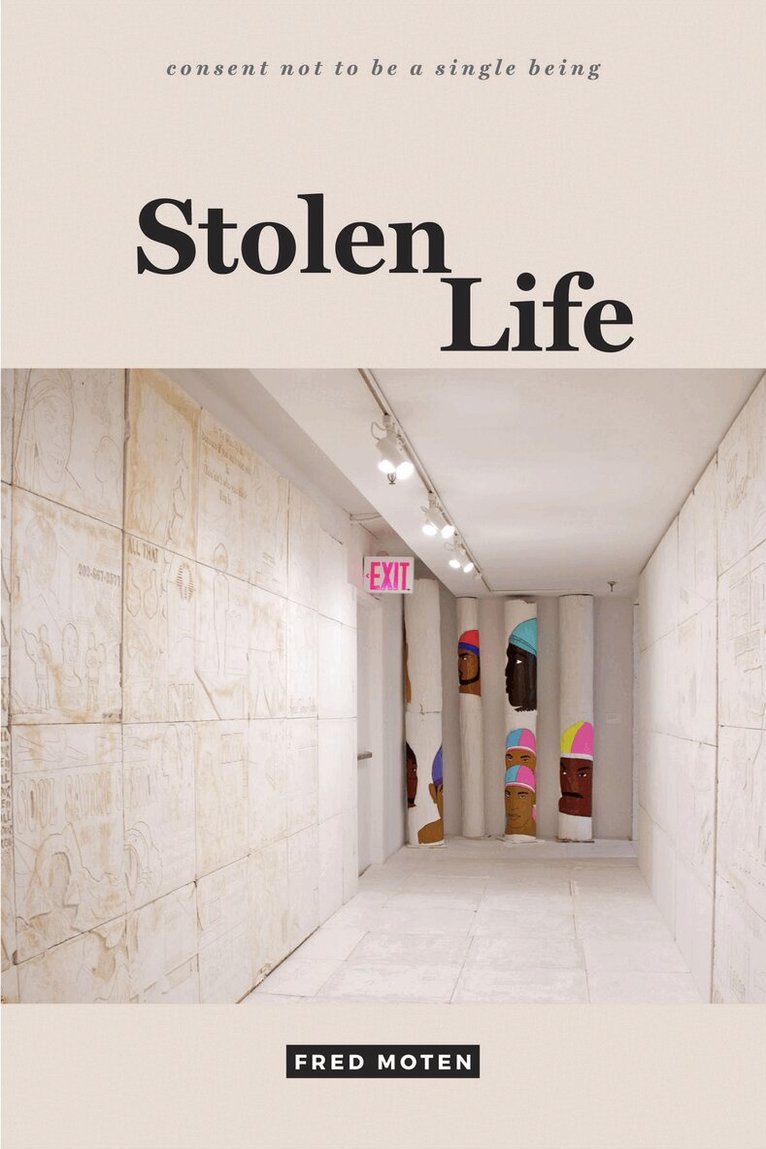
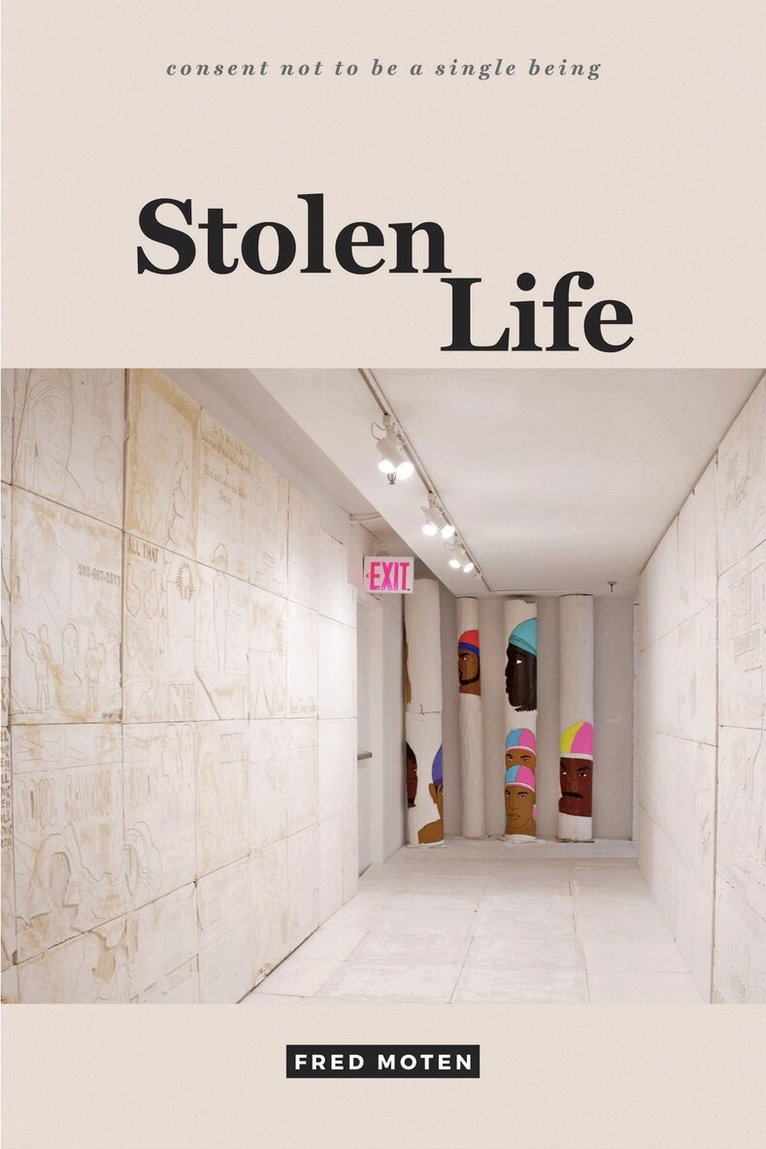
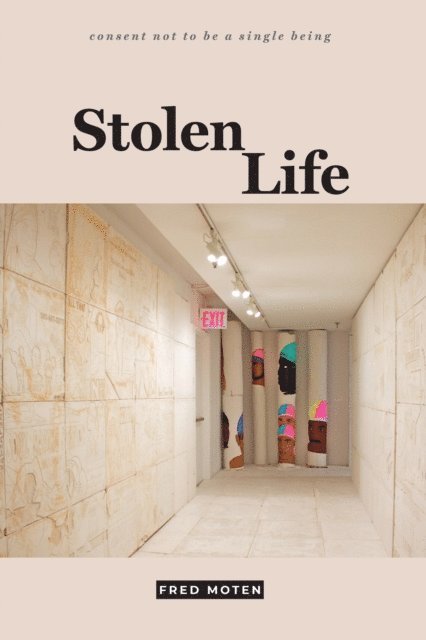
"Taken as a trilogy, consent not to be a single being is a monumental accomplishment: a brilliant theoretical intervention that might be best described as a powerful case for blackness as a category of analysis."-Brent Hayes Edwards, author of Epistrophies: Jazz and the Literary ImaginationIn Stolen Life-the second volume in his landmark trilogy consent not to be a single being-Fred Moten undertakes an expansive exploration of blackness as it relates to black life and the collective refusal of social death. The essays resist categorization, moving from Moten's opening meditation on Kant, Olaudah Equiano, and the conditions of black thought through discussions of academic freedom, writing and pedagogy, non-neurotypicality, and uncritical notions of freedom. Moten also models black study as a form of social life through an engagement with Fanon, Hartman, and Spillers and plumbs the distinction between blackness and black people in readings of Du Bois and Nahum Chandler. The force and creativity of Moten's criticism resonate throughout, reminding us not only of his importance as a thinker, but of the continued necessity of interrogating blackness as a form of sociality.
1 138 kr
Skickas inom 7-10 vardagar
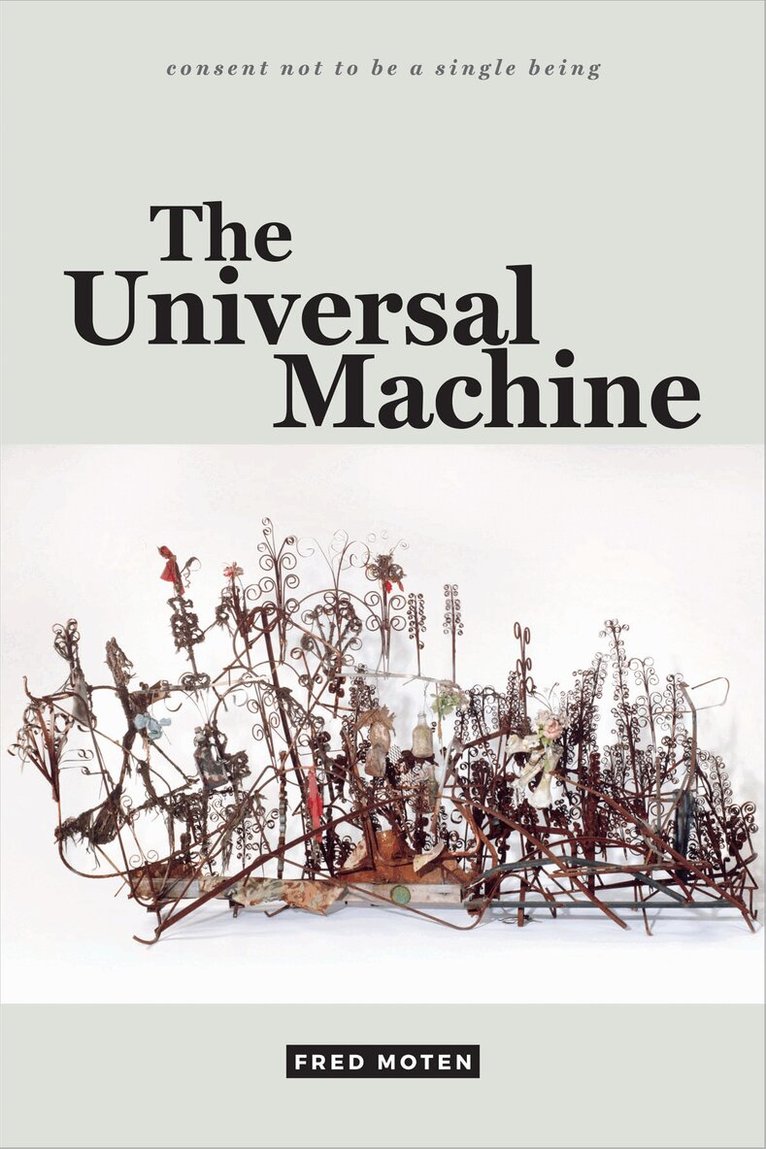
"Taken as a trilogy, consent not to be a single being is a monumental accomplishment: a brilliant theoretical intervention that might be best described as a powerful case for blackness as a category of analysis."-Brent Hayes Edwards, author of Epistrophies: Jazz and the Literary ImaginationIn The Universal Machine-the concluding volume to his landmark trilogy consent not to be a single being-Fred Moten presents a suite of three essays on Emmanuel Levinas, Hannah Arendt, and Frantz Fanon, in which he explores questions of freedom, capture, and selfhood. In trademark style, Moten considers these thinkers alongside artists and musicians such as William Kentridge and Curtis Mayfield while interrogating the relation between blackness and phenomenology. Whether using Levinas's idea of escape in unintended ways, examining Arendt's antiblackness through Mayfield's virtuosic falsetto and Anthony Braxton's musical language, or showing how Fanon's form of phenomenology enables black social life, Moten formulates blackness as a way of being in the world that evades regulation. Throughout The Universal Machine-and the trilogy as a whole-Moten's theorizations of blackness will have a lasting and profound impact.
296 kr
Skickas inom 7-10 vardagar
"Taken as a trilogy, consent not to be a single being is a monumental accomplishment: a brilliant theoretical intervention that might be best described as a powerful case for blackness as a category of analysis."-Brent Hayes Edwards, author of Epistrophies: Jazz and the Literary ImaginationIn The Universal Machine-the concluding volume to his landmark trilogy consent not to be a single being-Fred Moten presents a suite of three essays on Emmanuel Levinas, Hannah Arendt, and Frantz Fanon, in which he explores questions of freedom, capture, and selfhood. In trademark style, Moten considers these thinkers alongside artists and musicians such as William Kentridge and Curtis Mayfield while interrogating the relation between blackness and phenomenology. Whether using Levinas's idea of escape in unintended ways, examining Arendt's antiblackness through Mayfield's virtuosic falsetto and Anthony Braxton's musical language, or showing how Fanon's form of phenomenology enables black social life, Moten formulates blackness as a way of being in the world that evades regulation. Throughout The Universal Machine-and the trilogy as a whole-Moten's theorizations of blackness will have a lasting and profound impact.
341 kr
Skickas inom 7-10 vardagar
"Taken as a trilogy, consent not to be a single being is a monumental accomplishment: a brilliant theoretical intervention that might be best described as a powerful case for blackness as a category of analysis."-Brent Hayes Edwards, author of Epistrophies: Jazz and the Literary ImaginationIn Stolen Life-the second volume in his landmark trilogy consent not to be a single being-Fred Moten undertakes an expansive exploration of blackness as it relates to black life and the collective refusal of social death. The essays resist categorization, moving from Moten's opening meditation on Kant, Olaudah Equiano, and the conditions of black thought through discussions of academic freedom, writing and pedagogy, non-neurotypicality, and uncritical notions of freedom. Moten also models black study as a form of social life through an engagement with Fanon, Hartman, and Spillers and plumbs the distinction between blackness and black people in readings of Du Bois and Nahum Chandler. The force and creativity of Moten's criticism resonate throughout, reminding us not only of his importance as a thinker, but of the continued necessity of interrogating blackness as a form of sociality.
369 kr
Skickas inom 7-10 vardagar
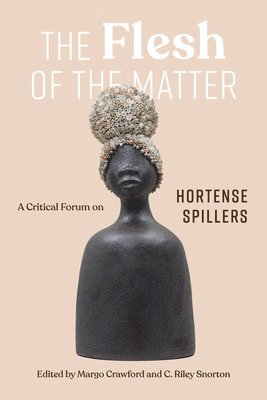
Hortense Spillers is one of the most important literary critics and Black feminist scholars of the last fifty years. Her 1987 scholarly article “Mama’s Baby, Papa’s Maybe: An American Grammar Book” is one of the most-cited essays in African American literary studies.Edited by Margo Natalie Crawford and C. Riley Snorton, The Flesh of the Matter: A Critical Forum on Hortense Spillers is the first collection to take up directly how Spillers’s writing on literature, culture, and theory have been signal posts to the varied and universal threads of Black thought, as well as countless other areas of the academy. Interspersed with archival fragments from Spillers’s papers kept at the Pembroke Center for Feminist Thought at Brown University, the fourteen essays in this collection demonstrate a fidelity to the ways of reading Spillers has taught us, the nomenclature of enslavement keyed into the American lexicon, and the ways that history permeates our cultural boundaries today.
1 620 kr
Skickas inom 5-8 vardagar
Hortense Spillers is one of the most important literary critics and Black feminist scholars of the last fifty years. Her 1987 scholarly article “Mama’s Baby, Papa’s Maybe: An American Grammar Book” is one of the most-cited essays in African American literary studies.Edited by Margo Natalie Crawford and C. Riley Snorton, The Flesh of the Matter: A Critical Forum on Hortense Spillers is the first collection to take up directly how Spillers’s writing on literature, culture, and theory have been signal posts to the varied and universal threads of Black thought, as well as countless other areas of the academy. Interspersed with archival fragments from Spillers’s papers kept at the Pembroke Center for Feminist Thought at Brown University, the fourteen essays in this collection demonstrate a fidelity to the ways of reading Spillers has taught us, the nomenclature of enslavement keyed into the American lexicon, and the ways that history permeates our cultural boundaries today.
220 kr
Skickas
238 kr
Skickas
344 kr
Tillfälligt slut
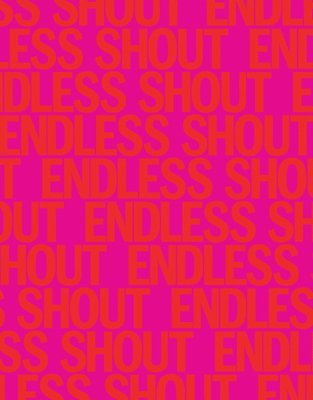
Endless Shout asks how, why and where performance and improvisation can take place inside a museum. The book documents a six-month series of experimental performances organized by the Institute of Contemporary Art, University of Pennsylvania, where five participants—Raúl de Nieves, Danielle Goldman, George Lewis, The Otolith Group and taisha paggett—collectively led a series of improvisation experiments. These include Miya Masaoka’s A Line Becomes a Circle, which pays tribute to Shiki Masaoka, a subversive Japanese haiku writer; jumatatu m. poe and Jerome “Donte” Beacham’s Let ‘im Move You, addressing the history of J-Sette, a dance form popularized at historically black colleges; and A Recital for Terry Admins by composer George Lewis. The book includes an essay by curator Anthony Elms, conversations with Jennie C. Jones and Wadada Leo Smith on themes of rhythm, rehearsal and improvisation, plus new works created specifically for the book, such as a script by The Otolith Group on blackness and digital color correction.
366 kr
Skickas inom 5-8 vardagar
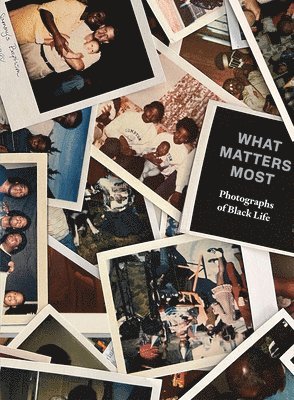
This powerful collection highlights the importance of snapshots in Black American life: as tools to challenge stereotypes, and as a way to document family and culturePublished with Art Gallery of Ontario.Thoughtfully illustrated, this volume highlights a selection of photographs of African American family life between the 1970s and the early 2000s—pictures that were lost by their original owners and then found by the artist Zun Lee on a street in Detroit in 2012, marking the beginning of the Fade Resistance collection of more than 4,000 Polaroids. Lee describes the collection as an important record of Black visual self-representation and a means to “reflect the way Black people saw themselves on their terms—without the intention of being seen, or judged, by others.” To Lee, these powerful photographs are an expression of "Black life mattering."These vivid images chronicle milestones such as weddings, birthdays and graduations, as well as quiet daily moments, offering contemporary views long ignored or erased by mainstream culture. Together, these works highlight the role snapshots have played in Black life, as tools to challenge stereotypical portrayals and as a means to memorialize family, culture and heritage.Topics such as self-representation, visual history and the social power of photographs are addressed in critical texts by Sophie Hackett, Stefano Harney, Zun Lee and Fred Moten, and an original contribution by celebrated poet Dawn Lundy Martin.
208 kr
Skickas
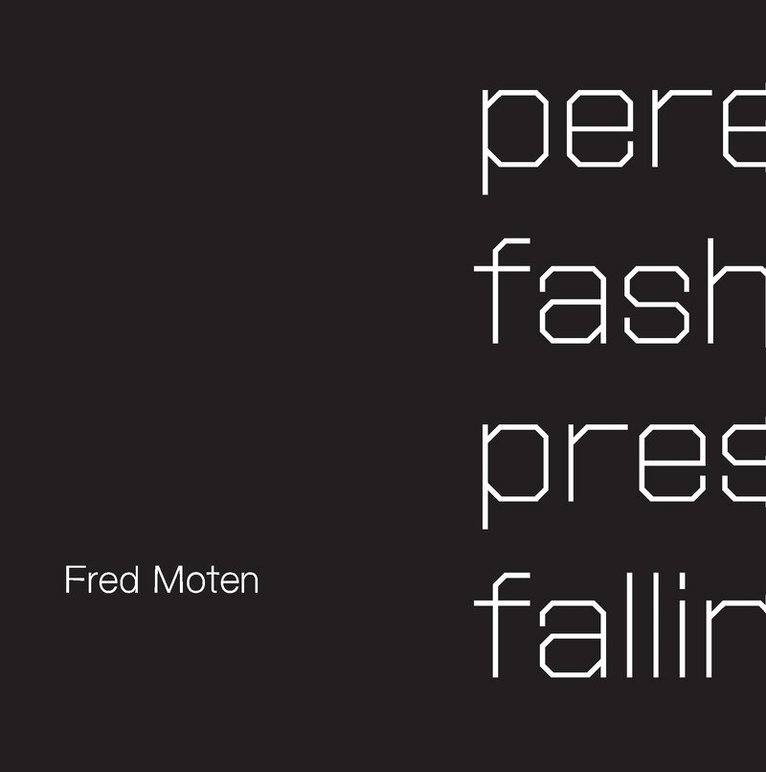
“some ekphrastic evening, this’ll be both criticism and poetry and failing that fall somewhere that seems like in between.” So writes poet, critic, theorist, and MacArthur fellow Fred Moten in his latest poetry collection perennial fashion presence falling. Much like the poems found in The Feel Trio (Letter Machine 2014), which was a National Book Award finalist, and All That Beauty (Letter Machine, 2019), the poems here present Moten’s “shaped prose” on the page and the dizzying brilliance of both polyphonies and paronomasia. Within this collection, the poems hold an innate quantum curiosity about the infinitude of the present and the ways in which one could observe the history of the future. Poems beget poems, overflowing and flowering, urging deeper etymological investigations. In perennial fashion presence falling, Moten approaches the sublime, relishing that intermediary space of microtonal thought.
323 kr
Skickas inom 5-8 vardagar
“some ekphrastic evening, this’ll be both criticism and poetry and failing that fall somewhere that seem like in between.” So writes poet, critic, theorist, and MacArthur fellow Fred Moten in his latest poetry collection perennial fashion presence falling. Much like the poems found in The Feel Trio (Letter Machine 2014), which was a National Book Award finalist, and All That Beauty (Letter Machine, 2019), the poems here present Moten’s “shaped prose” on the page and the dizzying brilliance of both polyphonies and paronomasia. Within this collection, the poems hold an innate quantum curiosity about the infinitude of the present and the ways in which one could observe the history of the future. Poems beget poems, overflowing and flowering, urging deeper etymological investigations. In perennial fashion presence falling, Moten approaches the sublime, relishing that intermediary space of microtonal thought.
124 kr
Skickas inom 3-6 vardagar