Frederik Pedersen - Böcker
Visar alla böcker från författaren Frederik Pedersen. Handla med fri frakt och snabb leverans.
4 produkter
4 produkter
500 kr
Skickas inom 7-10 vardagar
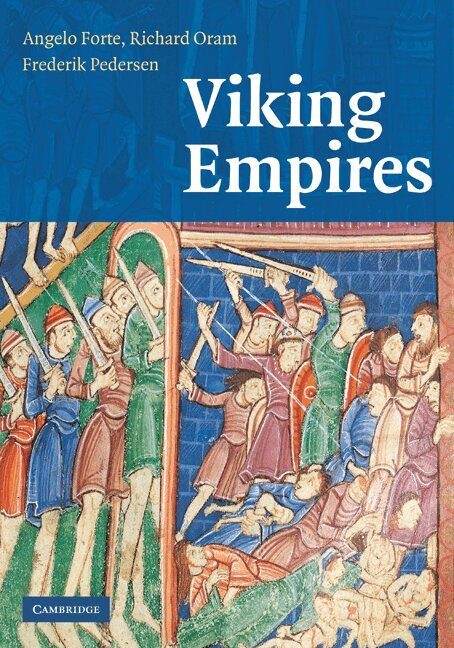
Viking Empires, first published in 2005, is a definitive new history of five hundred years of Viking civilisation and the first study of the global implications of the expansion, integration, and reorientation of the Viking World. Offering an assessment of Scandinavian society before the 790s, the book traces the political, military, cultural and religious history of the Viking Age from Iceland to the Baltic States. The authors show that it is not possible to understand the history of the Norman Conquest, the successes of David I of Scotland or the relationship between the Holy Roman Empire and the Papacy without considering the impact of the history of Scandinavia. The book concludes with a new account of the end of the Viking era, arguing that there was no sudden decline but the gradual absorption of the Scandinavian kingdoms into the project of the crusades and a refocusing of imperial ambitions on the Baltic and Eastern Europe.
1 158 kr
Skickas inom 7-10 vardagar
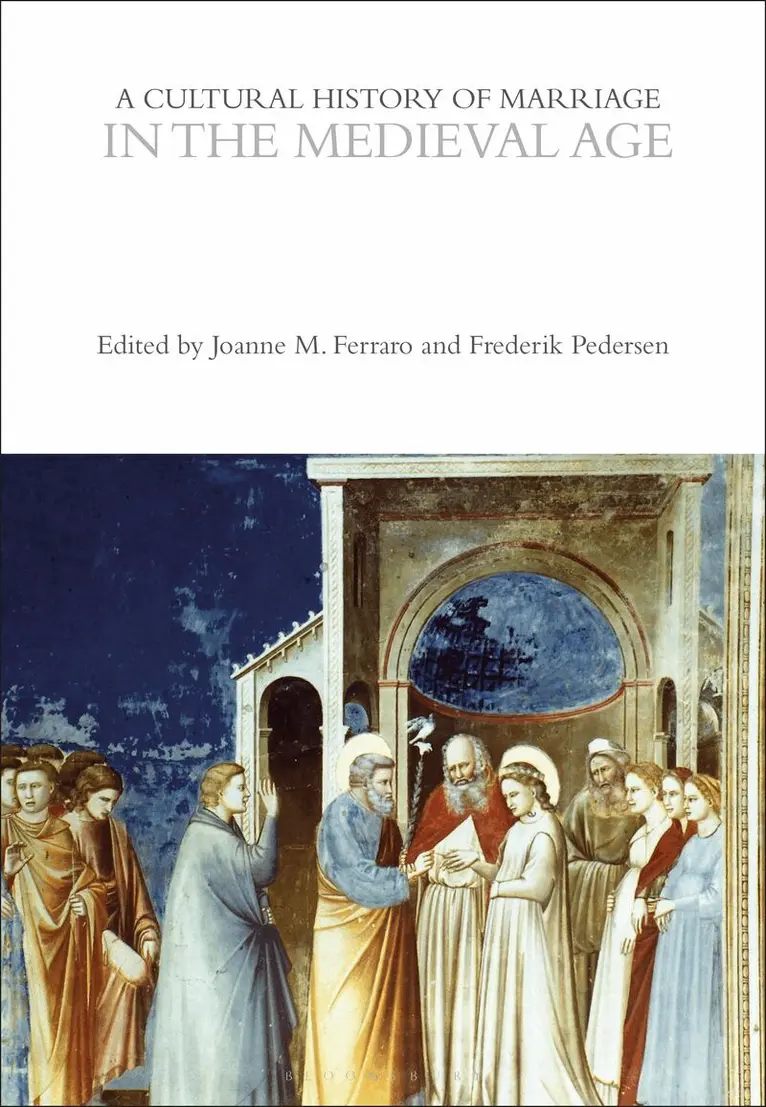
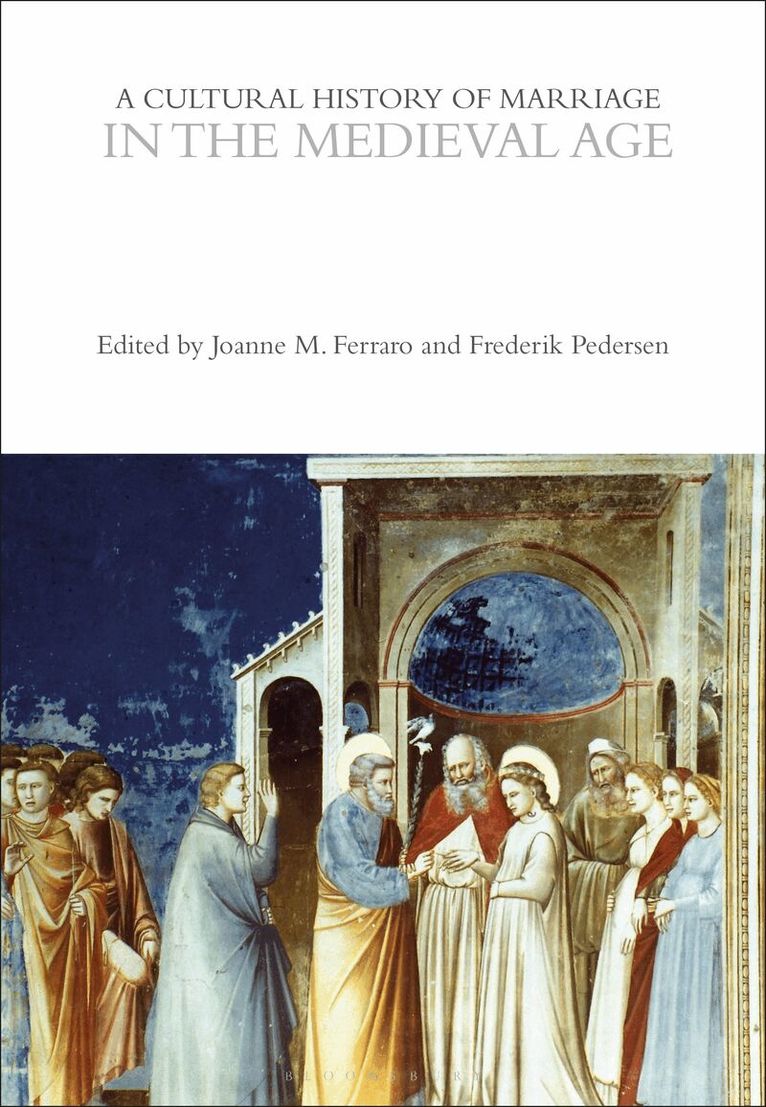
Marriage in Europe became a central pillar of society during the medieval period. Theologians, lawyers, and secular and church leaders agreed on a unique outline of the institution and its legal framework, the essential features of which remained in force until the 1980s. The medieval Western European definition of marriage was unique: before the legal consequences of marriage came into being, the parties had to promise to engage in sexual union only with one partner and to remain in the marriage until one of the parties died. This requirement had profound implications for inheritance rules and for the organization of the family economy; it was explained and justified in a multitude of theological discussions and legal decisions across all faiths on the European continent. Normative texts, built on the foundations of the scriptures of several religious traditions, provided an impressive intellectual framework around marriage. In addition, developments in iconography, including sculpture and painting, projected the dominant model of marriage, while social, demographic and cultural changes encouraged its adoption.This volume traces the medieval discussion of marriage in practice, law, theology and iconography. It provides an examination of the wider political and economic context of marriage and offers an overview of the ebb and flow of society’s ideas about how expressions of human sexuality fit within the confines of a clearly defined social structure and ideology.A Cultural History of Marriage in the Medieval Age presents an overview of the period with essays on Courtship and Ritual; Religion, State and Law; Kinship and Social Networks; the Family Economy; Love and Sex; the Breaking of Vows; and Representations of Marriage.
373 kr
Skickas inom 7-10 vardagar
Marriage in Europe became a central pillar of society during the medieval period. Theologians, lawyers, and secular and church leaders agreed on a unique outline of the institution and its legal framework, the essential features of which remained in force until the 1980s. The medieval Western European definition of marriage was unique: before the legal consequences of marriage came into being, the parties had to promise to engage in sexual union only with one partner and to remain in the marriage until one of the parties died. This requirement had profound implications for inheritance rules and for the organization of the family economy; it was explained and justified in a multitude of theological discussions and legal decisions across all faiths on the European continent. Normative texts, built on the foundations of the scriptures of several religious traditions, provided an impressive intellectual framework around marriage. In addition, developments in iconography, including sculpture and painting, projected the dominant model of marriage, while social, demographic and cultural changes encouraged its adoption.This volume traces the medieval discussion of marriage in practice, law, theology and iconography. It provides an examination of the wider political and economic context of marriage and offers an overview of the ebb and flow of society’s ideas about how expressions of human sexuality fit within the confines of a clearly defined social structure and ideology.A Cultural History of Marriage in the Medieval Age presents an overview of the period with essays on Courtship and Ritual; Religion, State and Law; Kinship and Social Networks; the Family Economy; Love and Sex; the Breaking of Vows; and Representations of Marriage.
1 039 kr
Skickas inom 10-15 vardagar
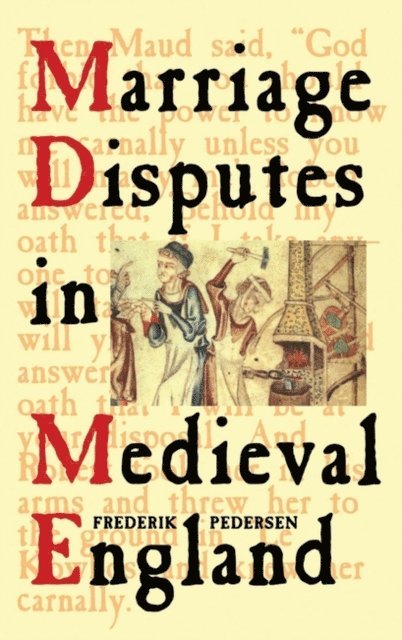
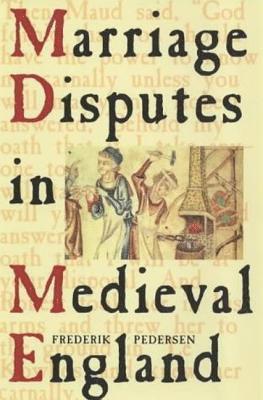
Intimate details about the personal lives of medieval people are frustratingly rare. We seldom know what the men and women of the middle ages thought about marriage, let alone about sex. The records of the church courts of the province of York, mainly dating from the fourteenth century, provides a welcome light on private, family life and on individual reactions to it. They include a wide range of fascinating cases involving disputes about the validity of marriage, consent, sex, marital violence, impotence and property disputes. They also show how widely the laws of marriage were both known and accepted. Marriage Disputes in Medieval England offers a remarkable insight into personal life in the middle ages.