
Fumi Okiji – författare
Visar alla böcker från författaren . Handla med fri frakt och snabb leverans.
5 produkter
5 produkter
Häftad, Engelska, 2025
264 kr
Skickas
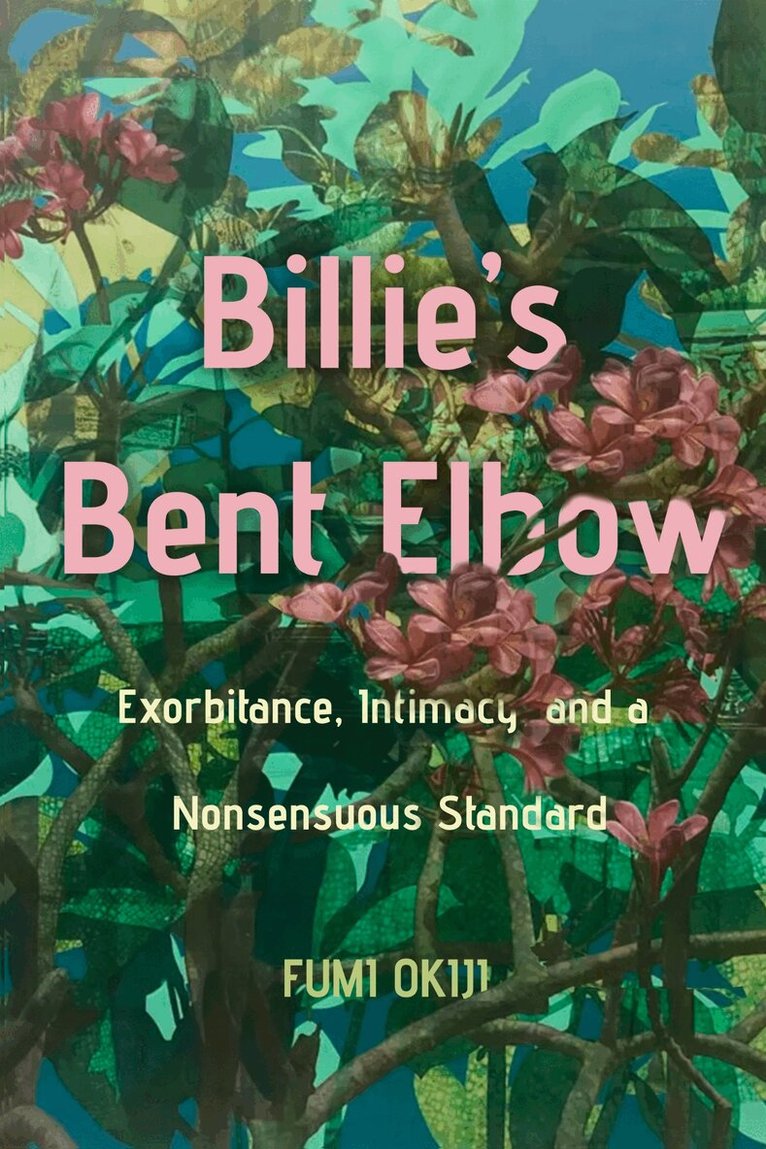
Deeply informed by jazz, Billie's Bent Elbow explores the nonsensical and nonsensuous in black radical thought and expression. Extending the encounter between black study, Frankfurt School critical theory, and sound studies staged in her first book, Jazz as Critique, and, crucially, bringing Yoruba aesthetics into the conversation, Okiji attunes to various sites of intemperance and equivocation in thought and music. Billie's Bent Elbow eschews the parsimonious tendencies of the Western philosophical tradition, in its contribution to a shared project of improvised correspondence that finds its criticality in its heterophony of approach and intention. The book ranges from Haitian revolutionaries' rendition of "La Marseillaise," to Cecil Taylor's synesthetic poetics, to the aporetic mien of the orisha Esu, to Billie Holiday's undulating arm. What is more, by way of her intense fascination with these sites of fantastic noise, Okiji brings our attention to a galaxy of intimacies that flash up in her experiments in array and correspondence. The nonsensuous standard Okiji cultivates in this musical and essayistic book, in concert with a host of theorists, musicians and artists, is as much a statement of non-citizenry as it is preparation for intoxicated gathering.
Inbunden, Engelska, 2018
1 052 kr
Skickas inom 5-8 vardagar
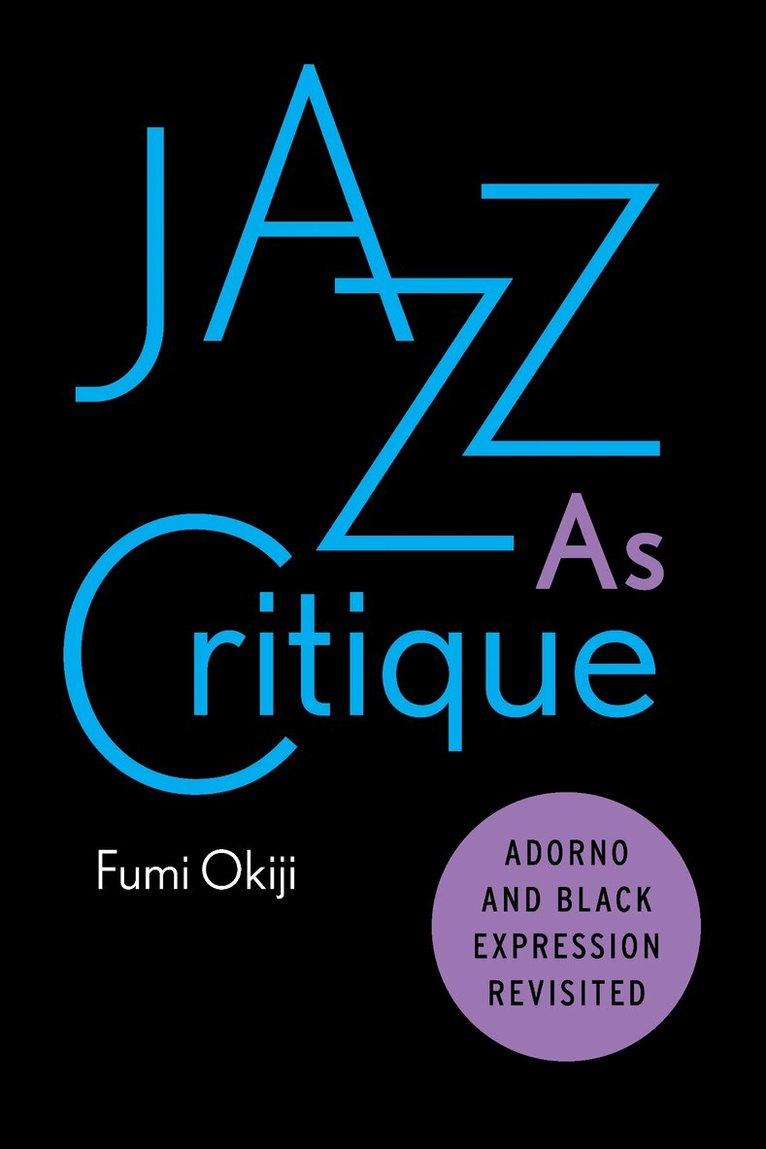
A sustained engagement with Theodor Adorno, Jazz As Critique looks to jazz for ways of understanding the inadequacies of contemporary life. Adorno's writings on jazz are notoriously dismissive. Nevertheless, Adorno does have faith in the critical potential of some musical traditions. Music, he suggests, can provide insight into the controlling, destructive nature of modern society while offering a glimpse of more empathetic and less violent ways of being together in the world. Taking Adorno down a path he did not go, this book calls attention to an alternative sociality made manifest in jazz. In response to writing that tends to portray it as a mirror of American individualism and democracy, Fumi Okiji makes the case for jazz as a model of "gathering in difference."Noting that this mode of subjectivity emerged in response to the distinctive history of black America, she reveals that the music cannot but call the integrity of the world into question.
Häftad, Engelska, 2018
254 kr
Skickas inom 5-8 vardagar
A sustained engagement with Theodor Adorno, Jazz As Critique looks to jazz for ways of understanding the inadequacies of contemporary life. Adorno's writings on jazz are notoriously dismissive. Nevertheless, Adorno does have faith in the critical potential of some musical traditions. Music, he suggests, can provide insight into the controlling, destructive nature of modern society while offering a glimpse of more empathetic and less violent ways of being together in the world. Taking Adorno down a path he did not go, this book calls attention to an alternative sociality made manifest in jazz. In response to writing that tends to portray it as a mirror of American individualism and democracy, Fumi Okiji makes the case for jazz as a model of "gathering in difference."Noting that this mode of subjectivity emerged in response to the distinctive history of black America, she reveals that the music cannot but call the integrity of the world into question.
E-bok
Engelska, 2018222 kr
Läs direkt efter köp
A sustained engagement with Theodor Adorno, Jazz As Critique looks to jazz for ways of understanding the inadequacies of contemporary life. Adorno's writings on jazz are notoriously dismissive. Nevertheless, Adorno does have faith in the critical potential of some musical traditions. Music, he suggests, can provide insight into the controlling, destructive nature of modern society while offering a glimpse of more empathetic and less violent ways of being together in the world. Taking Adorno down a path he did not go, this book calls attention to an alternative sociality made manifest in jazz. In response to writing that tends to portray it as a mirror of American individualism and democracy, Fumi Okiji makes the case for jazz as a model of "gathering in difference."Noting that this mode of subjectivity emerged in response to the distinctive history of black America, she reveals that the music cannot but call the integrity of the world into question.
Inbunden, Engelska, 2025
1 107 kr
Skickas inom 5-8 vardagar
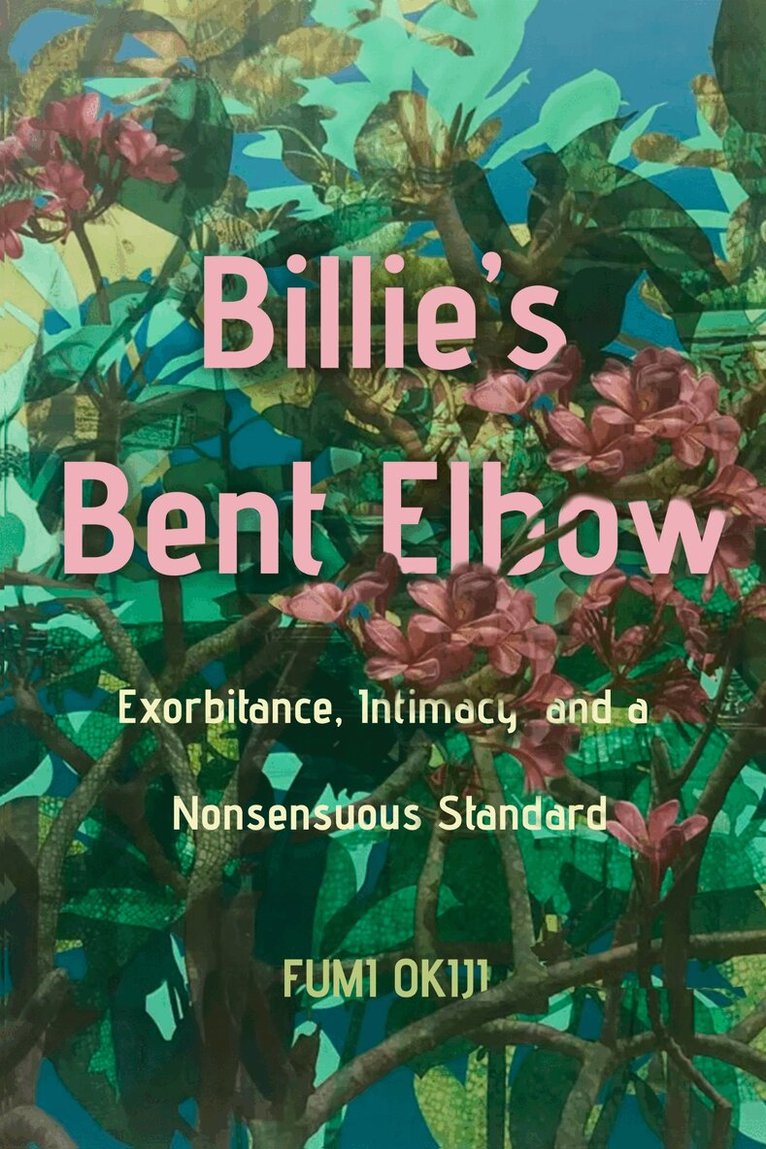
Deeply informed by jazz, Billie's Bent Elbow explores the nonsensical and nonsensuous in black radical thought and expression. Extending the encounter between black study, Frankfurt School critical theory, and sound studies staged in her first book, Jazz as Critique, and, crucially, bringing Yoruba aesthetics into the conversation, Okiji attunes to various sites of intemperance and equivocation in thought and music. Billie's Bent Elbow eschews the parsimonious tendencies of the Western philosophical tradition, in its contribution to a shared project of improvised correspondence that finds its criticality in its heterophony of approach and intention. The book ranges from Haitian revolutionaries' rendition of "La Marseillaise," to Cecil Taylor's synesthetic poetics, to the aporetic mien of the orisha Esu, to Billie Holiday's undulating arm. What is more, by way of her intense fascination with these sites of fantastic noise, Okiji brings our attention to a galaxy of intimacies that flash up in her experiments in array and correspondence. The nonsensuous standard Okiji cultivates in this musical and essayistic book, in concert with a host of theorists, musicians and artists, is as much a statement of non-citizenry as it is preparation for intoxicated gathering.