Gabor S. Boritt – författare
Visar alla böcker från författaren Gabor S. Boritt. Handla med fri frakt och snabb leverans.
23 produkter
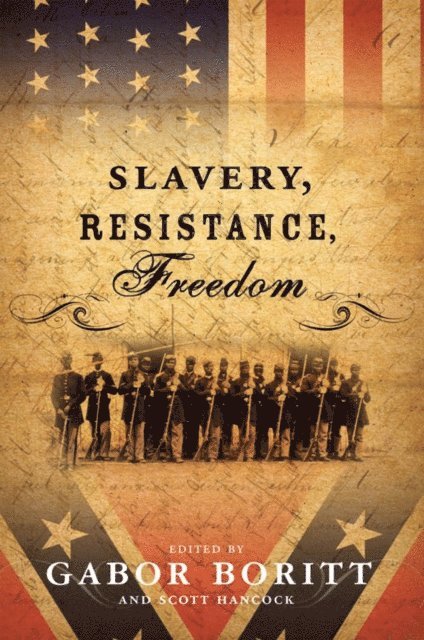
Slavery, Resistance, Freedom
Av Scott Hancock, Gabor S. Boritt
E-bok, 2007
170 kr
Lägg i varukorg
Americans have always defined themselves in terms of their freedoms--of speech, of religion, of political dissent. How we interpret our history of slavery--the ultimate denial of these freedoms--deeply affects how we understand the very fabric of our democracy. This extraordinary collection of …
War Comes Again
Comparative Vistas on the Civil War and World War II
Inbunden, 1995
733 kr
Lägg i varukorg
BL The first direct comparison of America's participation in its two most significant wars - the Civil War and World War IIA group of prominent historians provide an illuminating comparison of the two wars in a number of central areas.
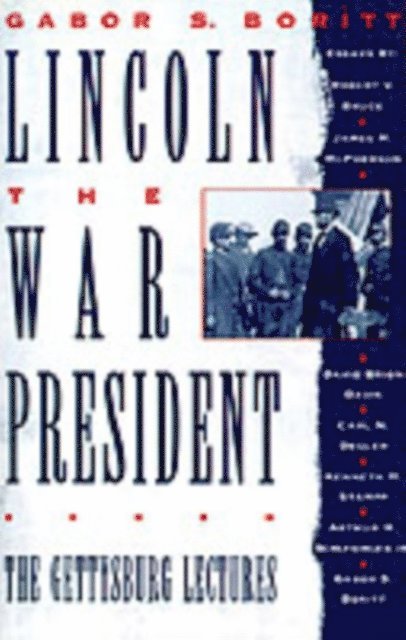
Lincoln, The War President
The Gettysburg Lectures
Häftad, 1994
327 kr
Lägg i varukorg
In LINCOLN, THE WAR PRESIDENT, no fewer than five Pulitzer Prize-winning historians - James McPherson, Carl Degler, Arthur Schlesinger Jr, David Brion Davis, and Robert Bruce - join eminent historian Kenneth Stampp and editor Gabor Boritt to offer a fresh look at how Lincoln confronted the central …
Slavery, Resistance, Freedom
Av Gabor S. Boritt, Scott Hancock
Inbunden, 2007
1186 kr
Lägg i varukorg
Americans have always defined themselves in terms of their freedoms--of speech, of religion, of political dissent. How we interpret our history of slavery--the ultimate denial of these freedoms--deeply affects how we understand the very fabric of our democracy. This extraordinary collection of …
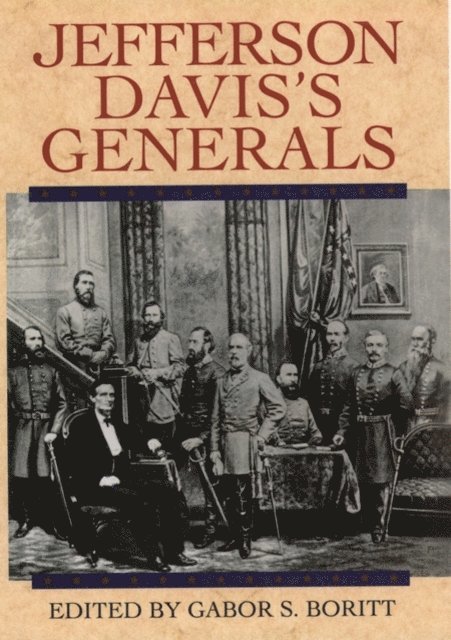
Jefferson Davis's Generals
Av G. S. Boritt, Gabor S. Boritt
Inbunden, 1999
770 kr
Lägg i varukorg
Confederate General P.G.T.Beauregard once wrote that "no people ever warred for independence with more relative advantages than the Confederates." If there was any doubt as to what Beauregard sought to imply, he later to chose to spell it out: the failure of the Confederacy lay with the Confederate …
Jefferson Davis's Generals
Häftad, 2000
379 kr
Lägg i varukorg
Confederate General P.G.T.Beauregard once wrote that "no people ever warred for independence with more relative advantages than the Confederates." If there was any doubt as to what Beauregard sought to imply, he later to chose to spell it out: the failure of the Confederacy lay with the Confederate …
Slavery, Resistance, Freedom
Av Gabor S. Boritt, Scott Hancock
Häftad, 2010
261 kr
Lägg i varukorg
This extraordinary collection of essays by some of America's top historians focuses on how African Americans resisted slavery and responded to freedom. Ira Berlin sets the stage by stressing the relationship between how we understand slavery and how we discuss race today. The remaining essays offer …
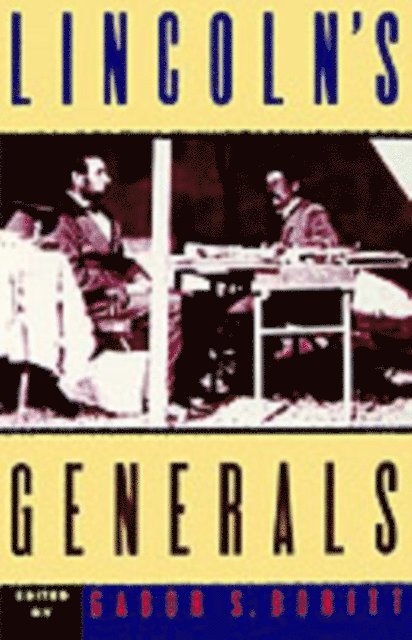
Lincoln's Generals
E-bok, 1995
182 kr
Lägg i varukorg
From the moment the battle ended, Gettysburg was hailed as one of the greatest triumphs of the Union army. Celebrations erupted across the North as a grateful people cheered the victory. But Gabor Boritt turns our attention away from the rejoicing millions to the dark mood of the White House--where …
Slavery, Resistance, Freedom
Av Scott Hancock, Gabor S. Boritt
E-bok, 2007
151 kr
Lägg i varukorg
Americans have always defined themselves in terms of their freedoms--of speech, of religion, of political dissent. How we interpret our history of slavery--the ultimate denial of these freedoms--deeply affects how we understand the very fabric of our democracy. This extraordinary collection of …
Jefferson Davis's Generals
E-bok, 2000
195 kr
Lägg i varukorg
Confederate General P.G.T.Beauregard once wrote that "no people ever warred for independence with more relative advantages than the Confederates." If there was any doubt as to what Beauregard sought to imply, he later to chose to spell it out: the failure of the Confederacy lay with the Confederate …
Lincoln, the War President
The Gettysburg Lectures
E-bok, 1992
189 kr
Lägg i varukorg
"Americans interested in history need to make the pilgrimage to Gettysburg," writes Gabor Boritt in the Acknowledgments. In this book seven historians make that journey, five of them Pulitzer laureates, looking for Lincoln. Kenneth Stampp explores the issue of national self-determination, comparing …
Why the Civil War Came
E-bok, 1997
283 kr
Lägg i varukorg
In the early morning of April 12, 1861, Captain George S. James ordered the bombardment of Fort Sumter, beginning a war that would last four horrific years and claim a staggering number of lives. Since that fateful day, the debate over the causes of the American Civil War has never ceased. What …
Gettysburg Nobody Knows
E-bok, 1999
246 kr
Lägg i varukorg
On the first three days of July in 1863, more than 160,000 Union and Rebel soldiers fought a monumental battle in Gettysburg, a bloody contest that has been hailed as "the turning point of the Civil War." It is without a doubt the best known engagement of the war and may in fact be the best known …
Why the Confederacy Lost
E-bok, 1993
202 kr
Lägg i varukorg
After the Civil War, someone asked General Pickett why the Battle of Gettysburg had been lost: Was it Lee''s error in taking the offensive, the tardiness of Ewell and Early, or Longstreet''s hesitation in attacking? Pickett scratched his head and replied, "I''ve always thought the Yankees had …
Why the Civil War Came
E-bok, 1996
252 kr
Lägg i varukorg
In the early morning of April 12, 1861, Captain George S. James ordered the bombardment of Fort Sumter, beginning a war that would last four horrific years and claim a staggering number of lives. Since that fateful day, the debate over the causes of the American Civil War has never ceased. What …
Why the Confederacy Lost
E-bok, 1993
202 kr
Lägg i varukorg
After the Civil War, someone asked General Pickett why the Battle of Gettysburg had been lost: Was it Lee''s error in taking the offensive, the tardiness of Ewell and Early, or Longstreet''s hesitation in attacking? Pickett scratched his head and replied, "I''ve always thought the Yankees had …
Lincoln, the War President
The Gettysburg Lectures
E-bok, 1994
168 kr
Lägg i varukorg
"Americans interested in history need to make the pilgrimage to Gettysburg," writes Gabor Boritt in the Acknowledgments. In this book seven historians make that journey, five of them Pulitzer laureates, looking for Lincoln. Kenneth Stampp explores the issue of national self-determination, comparing …
Lincoln's Generals
E-bok, 1995
182 kr
Lägg i varukorg
From the moment the battle ended, Gettysburg was hailed as one of the greatest triumphs of the Union army. Celebrations erupted across the North as a grateful people cheered the victory. But Gabor Boritt turns our attention away from the rejoicing millions to the dark mood of the White House--where …
Jefferson Davis's Generals
E-bok, 2000
173 kr
Lägg i varukorg
Confederate General P.G.T.Beauregard once wrote that "no people ever warred for independence with more relative advantages than the Confederates." If there was any doubt as to what Beauregard sought to imply, he later to chose to spell it out: the failure of the Confederacy lay with the Confederate …
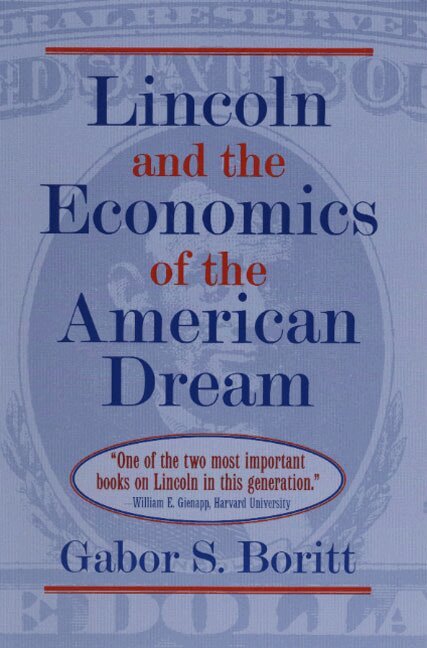
Lincoln and the Economics of the American Dream
Häftad, 1994
339 kr
Lägg i varukorg
This unique exploration of Lincoln's economic beliefs shows how they helped shape his view of slavery, his conduct of the war, and most fundamentally his understanding of what the United States was and could become.
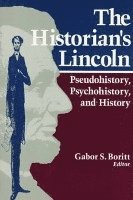
Historian's Lincoln
Pseudohistory, Psychohistory, and History
Häftad, 1996
555 kr
Lägg i varukorg
Winner of the Barondess/Lincoln Award of the Civil War Round Table of New York, 1989 "For Lincoln specialists, The Historian's Lincoln deepens and sharpens familiar arguments. For nonspecialists, it is the most efficient and enjoyable way to 'get right' with Lincoln." -- Robert E. McGlone, …
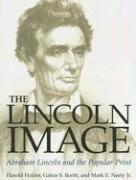
Lincoln Image
ABRAHAM LINCOLN and the POPULAR PRINT
Av Harold Holzer, Gabor S. Boritt m. fl.
Häftad, 2005
321 kr
Lägg i varukorg
How printmakers chronicled and influenced Lincoln's transfiguration into an American icon
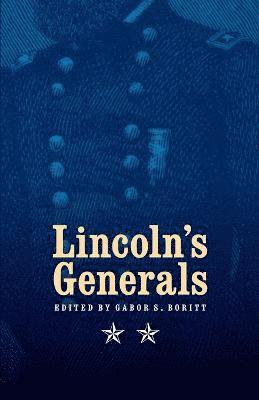
Lincoln's Generals
Av Stephen W. Sears, Mark E. Neely m. fl.
Häftad, 2010
240 kr
Lägg i varukorg
In Lincoln’s Generals , Gabor S. Boritt and a team of distinguished historians examine the interaction between Abraham Lincoln and his five key Civil War generals: McClellan, Hooker, Meade, Sherman, and Grant, providing fresh insight into this mixed bag of officers and the president’s tireless …