Gabriel Radvansky – författare
726 kr
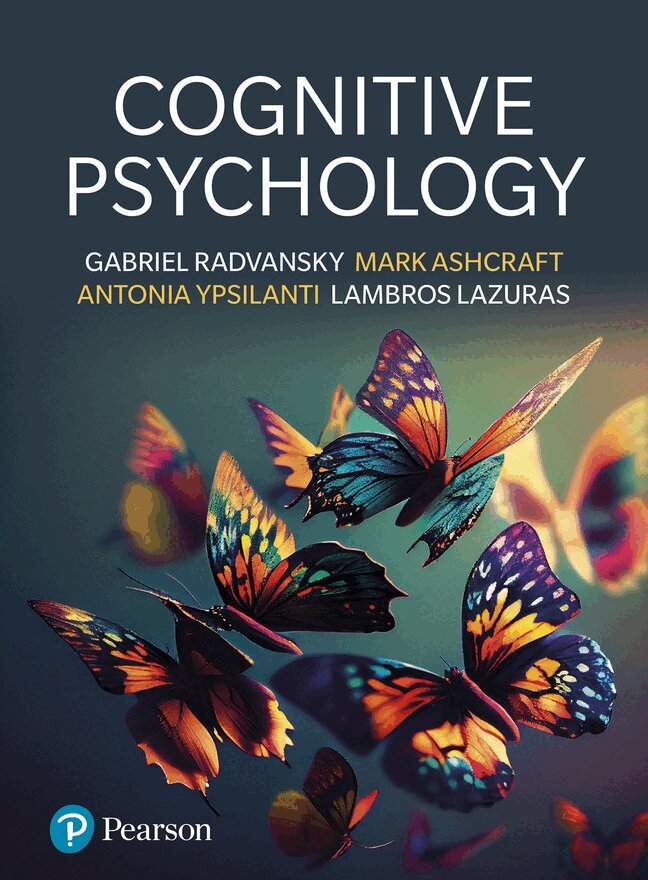
Cognitive Psychology provides an intuitive pathway through the core topics and concepts required by the British Psychological Society. The book covers all areas of human cognition including questions and ideas about how we think, reason, remember, and use language. Balancing classic research with new, cutting-edge topics, this is the perfect introduction to Cognitive Psychology.
With a clear and straightforward style, this easy-to-follow textbook explores the core topics and concepts through contemporary research, globally relevant, diverse examples and ‘Cognition in everyday life’ to show how relevant Cognitive Psychology is to all of us. Highlighting the research and achievements of key People/figures from around the world and the impact they have had on cognitive psychology. With coverage of Neuropsychology and Neuroscience, Cognition and Emotion, and Social Cognition, including topics like empathy, theory of mind, social rejection and loneliness, this combination of depth and breadth of content, provided in an accessible and multimedia/interactive way helps students to dive into this intriguing subject area.
8 kr
Kommande
700 kr
Skickas inom 10-15 vardagar
2 198 kr
Skickas inom 10-15 vardagar
988 kr
Skickas inom 7-10 vardagar
For undergraduate level courses in Cognition and Theories of Learning.
The psychology of human memory and cognition is fascinating, dealing with questions and ideas that are inherently interesting, such as how we think, reason, remember, and use language. Using a first person narrative, posing direct questions to the reader, and balancing classic research with cutting edge topics, the author draws in the reader and conveys the excitement of the field.
Reflecting the increasing use of new technologies to study memory and cognition, Ashcraft and the new co-author, Gabriel Radvansky, continue to integrate sections on neurosciences within individual chapter topics.
824 kr
Läs direkt efter köp
One particularly adaptive feature of human cognition is the ability to mentally preview specific events before they take place in reality. Familiar examples of this ability—often referred to as episodic future thinking—include what happens when an employee imagines when, where, and how they might go about asking their boss for a raise, or when a teenager anguishes over what might happen if they ask their secret crush on a date. In this book, the editors bring together current perspectives from researchers from around the globe who are working to develop a deeper understanding of the manner in which the simulations of future events are constructed, the role of emotion and personal meaning in the context of episodic simulation, and how the ability to imagine specific future events relates to other forms of future thinking such as the ability to remember to carry out intended actions in the future. This book was originally published as a special issue of The Quarterly Journal of Experimental Psychology.
824 kr
Läs direkt efter köp
One particularly adaptive feature of human cognition is the ability to mentally preview specific events before they take place in reality. Familiar examples of this ability—often referred to as episodic future thinking—include what happens when an employee imagines when, where, and how they might go about asking their boss for a raise, or when a teenager anguishes over what might happen if they ask their secret crush on a date. In this book, the editors bring together current perspectives from researchers from around the globe who are working to develop a deeper understanding of the manner in which the simulations of future events are constructed, the role of emotion and personal meaning in the context of episodic simulation, and how the ability to imagine specific future events relates to other forms of future thinking such as the ability to remember to carry out intended actions in the future. This book was originally published as a special issue of The Quarterly Journal of Experimental Psychology.