Gabriel Söderberg - Böcker
Visar alla böcker från författaren Gabriel Söderberg. Handla med fri frakt och snabb leverans.
4 produkter
4 produkter
402 kr
Skickas inom 7-10 vardagar
Economic theory may be speculative, but its impact is powerful and real. Since the 1970s, it has been closely associated with a sweeping change around the world--the "market turn." This is what Avner Offer and Gabriel Soderberg call the rise of market liberalism, a movement that, seeking to replace social democracy, holds up buying and selling as the norm for human relations and society. Our confidence in markets comes from economics, and our confidence in economics is underpinned by the Nobel Prize in Economics, which was first awarded in 1969. Was it a coincidence that the market turn and the prize began at the same time? The Nobel Factor, the first book to describe the origins and power of the most important prize in economics, explores this and related questions by examining the history of the prize, the history of economics since the prize began, and the simultaneous struggle between market liberals and social democrats in Sweden, Europe, and the United States. The Nobel Factor tells how the prize, created by the Swedish central bank, emerged from a conflict between central bank orthodoxy and social democracy.The aim was to use the halo of the Nobel brand to enhance central bank authority and the prestige of market-friendly economics, in order to influence the future of Sweden and the rest of the developed world. And this strategy has worked, with sometimes disastrous results for societies striving to cope with the requirements of economic theory and deregulated markets. Drawing on previously untapped Swedish national bank archives and providing a unique analysis of the sway of prizewinners, The Nobel Factor offers an unprecedented account of the real-world consequences of economics--and its greatest prize.
368 kr
Skickas inom 7-10 vardagar
How the creation of the Nobel Prize in Economics changed the economics profession, Sweden, and the worldOur confidence in markets comes from economics, and our confidence in economics is underpinned by the Nobel Prize in Economics, which was first awarded in 1969. Was it a coincidence that the prize and the rise of free-market liberalism began at the same time? The Nobel Factor is the first book to describe the origins and power of the most important prize in economics. It tells how the prize, created by the Swedish central bank, emerged from a conflict between central bank orthodoxy and Sweden's social democracy. The aim was to use the halo of the Nobel brand to influence the future of Sweden and the rest of the developed world by enhancing the bank's authority and the prestige of market-friendly economics. And the strategy has worked spectacularly—with sometimes disastrous results for societies striving to cope with the requirements of economic theory and deregulated markets. Drawing on previously untapped archives and providing a unique analysis of the sway of prizewinners, The Nobel Factor offers an unprecedented account of the real-world consequences of economics and its greatest prize.
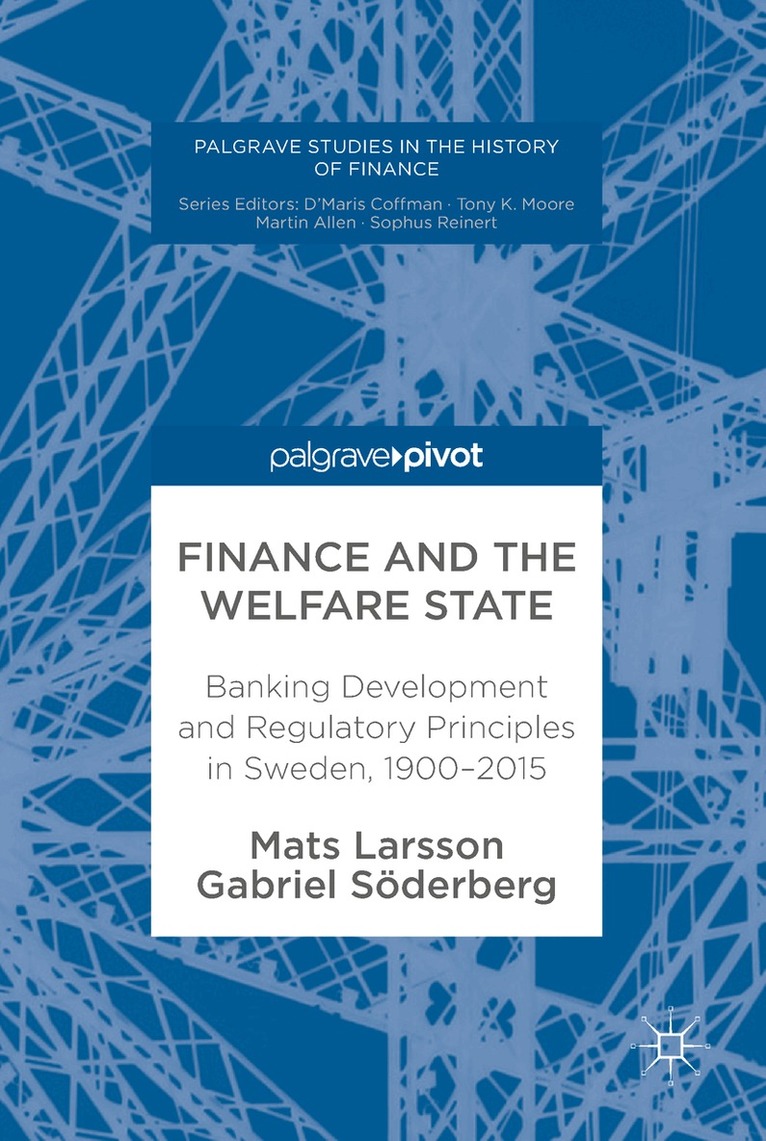
Finance and the Welfare State
Banking Development and Regulatory Principles in Sweden, 1900–2015
Inbunden, Engelska, 2017
660 kr
Skickas inom 10-15 vardagar
This book explores the Swedish experience of banking development, regulation and financial crisis from 1900 to 2015. The book also analyses how shifts in bank regulations are usually part of more general policy shifts in society, which are in turn connected to both pragmatic and ideological considerations.
438 kr
Skickas
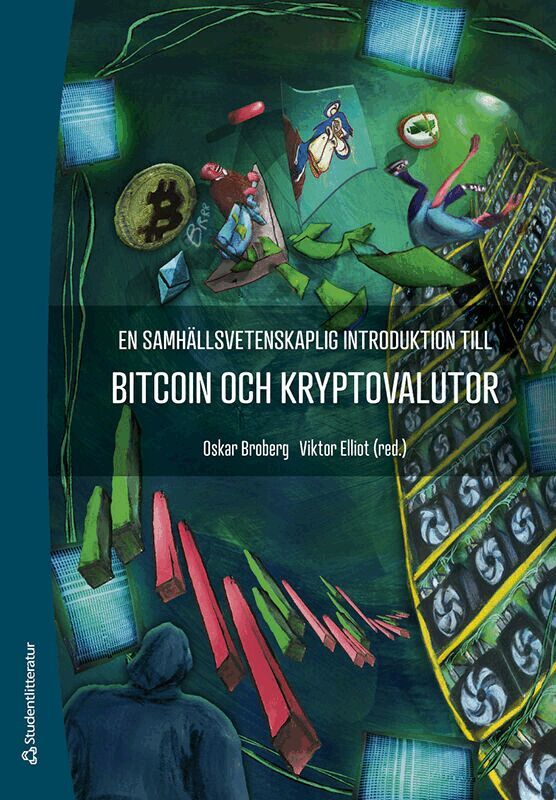
En samhällsvetenskaplig introduktion till bitcoin och kryptovalutor är ett samarbete mellan forskare och lärare från en rad olika akademiska discipliner. Boken är som titeln indikerar avsedd att ge en bred ingång till kryptovalutor och dess roll i samtiden med syfte att ge en nyanserad bild av detta samhällsfenomen, för att balansera den bitvis polariserade debatten om bitcoin och andra kryptovalutor. Kryptovalutor berör många av 2000-talets stora samhällsutmaningar och bokens innehåll kan därför bäst beskrivas som en kryptovalutabaserad skildring av samtidens utmaningar inom finans, juridik, etik och politik samt global energianvändning och digitalisering. Du som läsare behöver inga tidigare kunskaper om kryptovalutor, men om du vid något tillfälle har intresserat dig för kryptovärldens mysterier kan boken förhoppningsvis erbjuda nya perspektiv. Boken riktar sig till studenter och lärare på svenska högskolor, men även till andra med ett intresse för hur ekonomi och teknik formar samhällsutvecklingen.