Gabriela Inchauste - Böcker
Visar alla böcker från författaren Gabriela Inchauste. Handla med fri frakt och snabb leverans.
4 produkter
4 produkter
1 064 kr
Skickas inom 10-15 vardagar
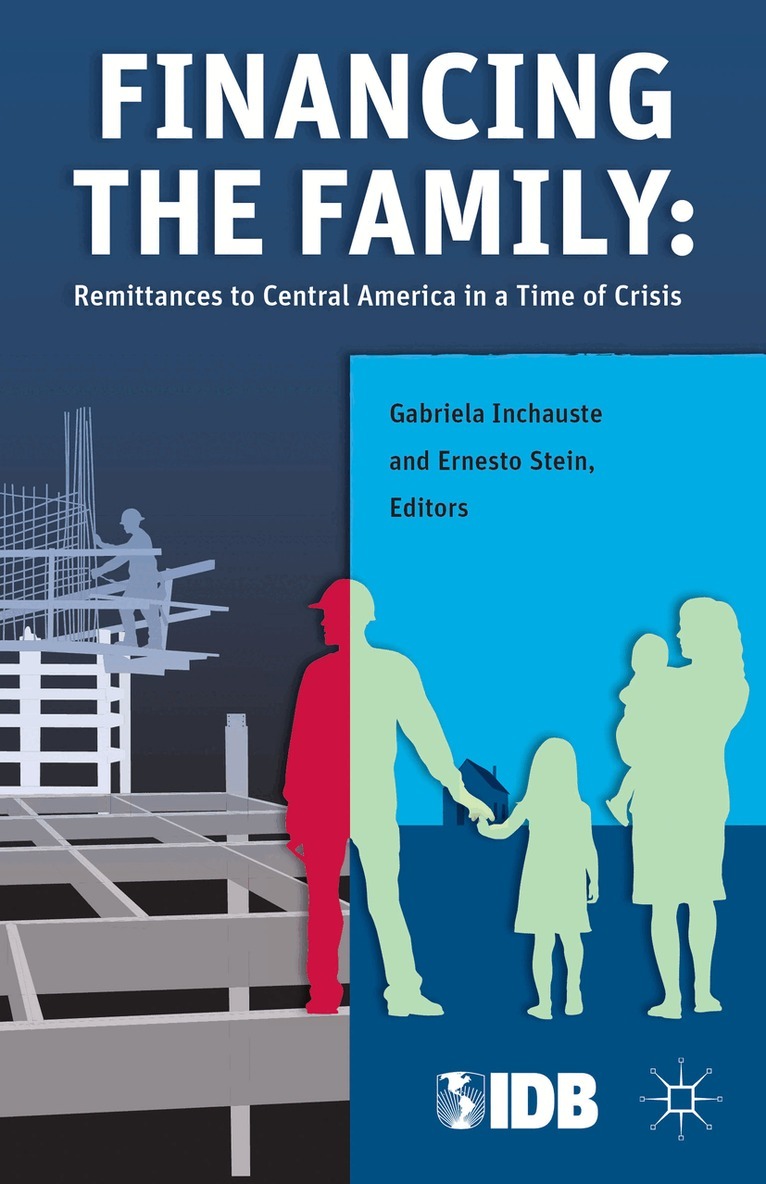
Interest in learning how to make the most of the potential developmental benefits of remittance flows has grown worldwide. Financing the Family adds to that body of knowledge with a summary of recent research that emphasizes experimental approaches, focuses on Central America, and analyzes the impact of the recent financial crisis.
327 kr
Skickas inom 10-15 vardagar
The 2015 Millennium Development Goal to cut in half the share of the world's population living in extreme poverty was met with time to spare. By 2013, the percentage of developing-country populations living in extreme poverty decreased from 43 percent in 1990 to 21 percent by 2010. Clearly, there is still a long way to go, with 1.2 billion people without enough to eat. What can we learn from the recent success?This volume presents recent methods to decompose the contributions to poverty reduction. What was the main contributor to poverty reduction? Using a simple accounting approach, we find that labor income growth was the largest contributor to moderate poverty reduction for a group of 21 countries with substantial reductions in poverty over the past decade. Moreover, in most cases, it was the growth in income per worker that contributed the most to poverty reduction, rather than an increase in employment. Changes in demographics, public transfers and remittances helped, but made relatively smaller contributions to poverty reduction. Public transfers were important in reducing extreme poverty, pointing to the crucial role of social protection systems.How was labor income growth able to reduce poverty? After a review of the literature, a structural decomposition method is presented and implemented in three countries. The results show that that labor income grew mainly because of higher returns to human capital endowments. This could signal increases in productivity, a higher relative price of labor, or both. In Bangladesh and Peru, this was driven by higher returns to workers with low levels of education, which may have partly been driven by higher food prices. In contrast, in Thailand, poverty fell partly due to increasing returns to education.
Political Economy of Energy Subsidy Reform
a handbook for policy makers and practitioners
Häftad, Engelska, 2017
434 kr
Skickas inom 10-15 vardagar
This volume proposes a simple framework to understand the political economy of subsidy reform and applies it to four in-depth country studies covering more than 30 reform episodes. The most successful reforms involve active efforts by policy leaders to identify the political forces supporting energy subsidies and redirect or inoculate them.
Distributional Impact of Taxes and Transfers
Evidence from Eight Developing Countries
Häftad, Engelska, 2017
487 kr
Skickas inom 10-15 vardagar
This volume presents country studies that apply comprehensive and comparable fiscal incidence analysis using the Commitment to Equity approach-to examine how taxation and public expenditures affect income inequality and poverty.