Gail S. Reed – författare
Visar alla böcker från författaren Gail S. Reed. Handla med fri frakt och snabb leverans.
16 produkter
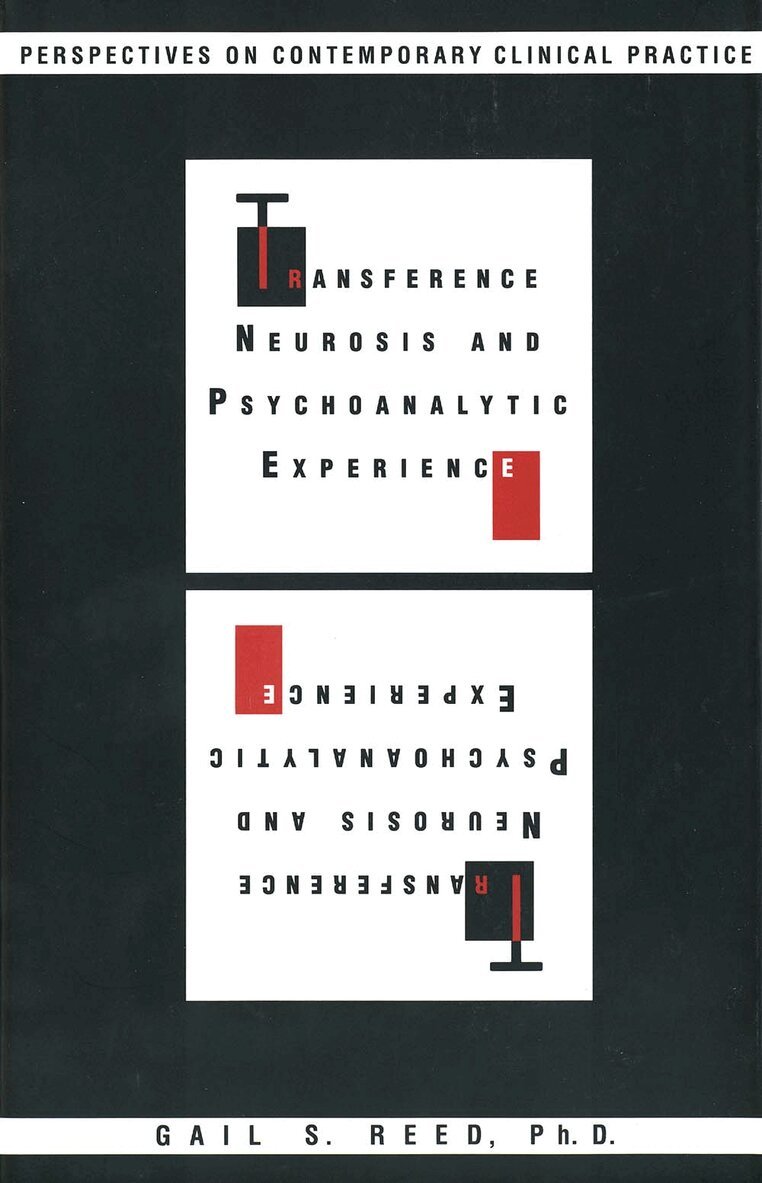
Transference Neurosis and Psychoanalytic Experience
Perspectives on Contemporary Clinical Practice
Av Gail S. Reed
Inbunden, 1995
959 kr
Lägg i varukorg
This book provides extraordinary insight into the subtleties and diversities of contemporary clinical practice by exploring the problematic and ambiguous concept of the transference neurosis. Gail S. Reed makes use of a crucial but mostly ignored aspect of psychoanalytic discourse, its oral …
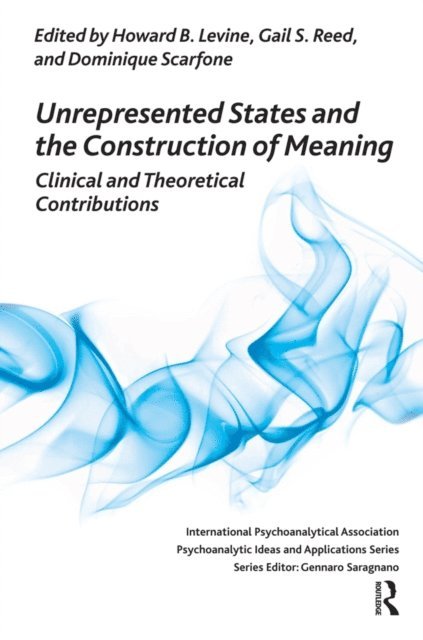
Unrepresented States and the Construction of Meaning
Clinical and Theoretical Contributions
Av Howard B. Levine, Gail S. Reed m. fl.
Inbunden, 2019
2073 kr
Lägg i varukorg
In the last several decades, the analytic field has widened considerably in scope. The therapeutic task is now seen by an increasing number of analysts to require that patient and analyst work together to strengthen, or to create, psychic structure that was previously weak, missing, or functionally …
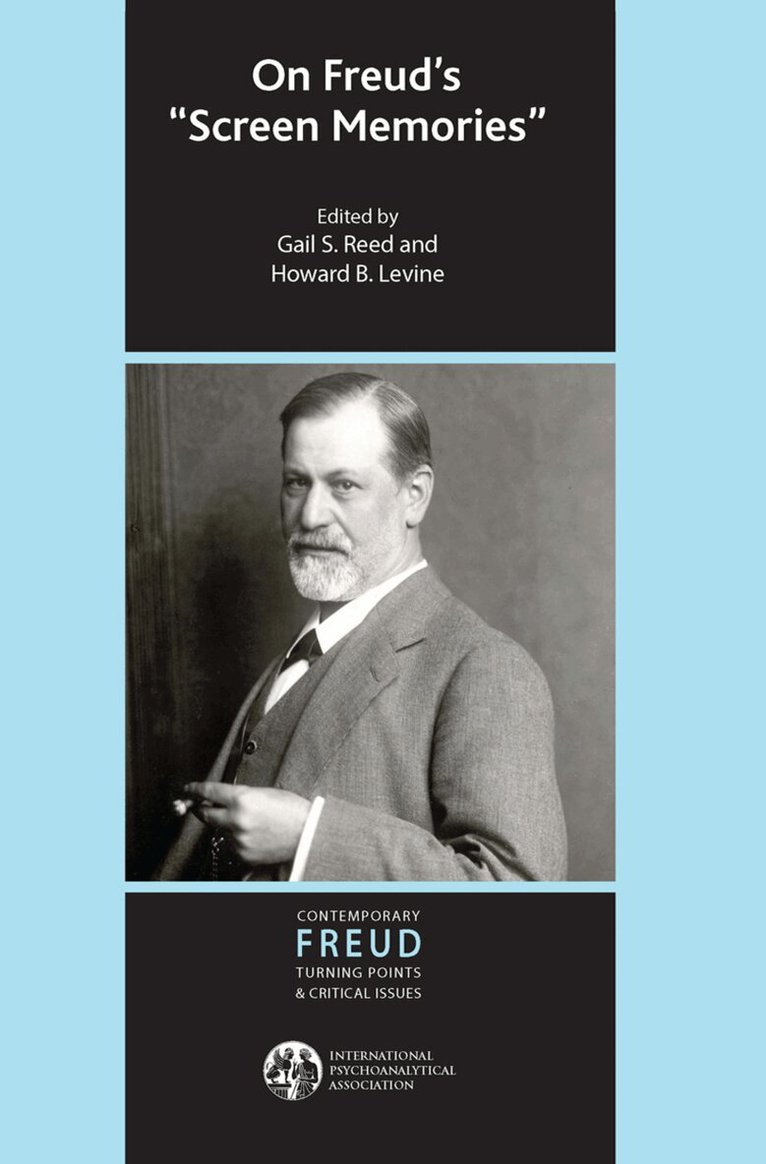
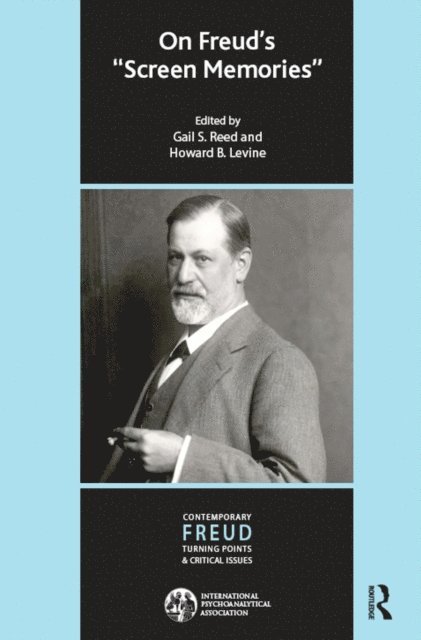
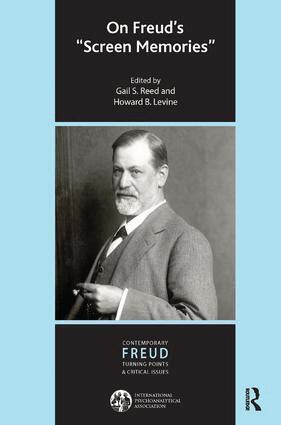
On Freud's Screen Memories
Av Howard B. Levine, Gail S. Reed
Inbunden, 2019
2441 kr
Lägg i varukorg
The concept of "screen memories" was introduced by Freud for the first time in his 1899 paper, reprinted here in its entirety. Although the clinical interest in "screen memories" has perhaps diminished in recent analytic discussion, there is much to be gained from revisiting and re-examining both …
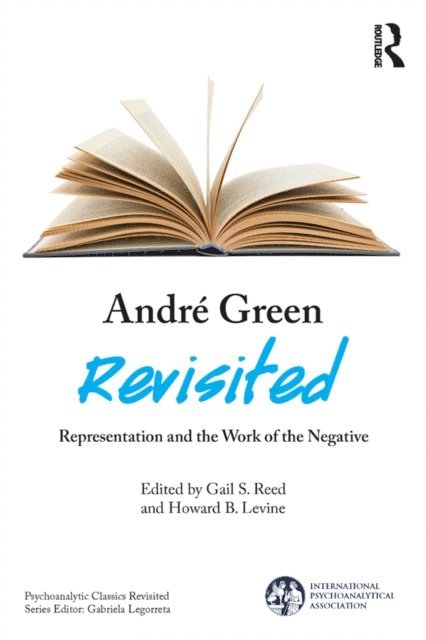
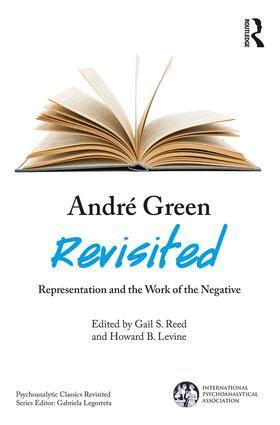
Andre Green Revisited
Representation and the Work of the Negative
Av Howard B. Levine, Gail S. Reed
E-bok, 2018
696 kr
Lägg i varukorg
André Green was a leading voice in French psychoanalysis, a brilliant thinker and an innovative contributor to our field. His writings sit at the crossroads of contemporary psychoanalysis, where the challenges posed and the opportunities presented by the work of Lacan, Klein, Winnicott and Bion …
Andre Green Revisited
Representation and the Work of the Negative
Av Howard B. Levine, Gail S. Reed
E-bok, 2018
696 kr
Lägg i varukorg
André Green was a leading voice in French psychoanalysis, a brilliant thinker and an innovative contributor to our field. His writings sit at the crossroads of contemporary psychoanalysis, where the challenges posed and the opportunities presented by the work of Lacan, Klein, Winnicott and Bion …
On Freud's Screen Memories
Av Gail S. Reed, Howard B. Levine
E-bok, 2018
690 kr
Lägg i varukorg
The concept of " screen memories " was introduced by Freud for the first time in his 1899 paper, reprinted here in its entirety. Although the clinical interest in "screen memories" has perhaps diminished in recent analytic discussion, there is much to be gained from revisiting and re-examining both …
Unrepresented States and the Construction of Meaning
Clinical and Theoretical Contributions
Av Dominique Scarfone, Gail S. Reed m. fl.
E-bok, 2018
674 kr
Lägg i varukorg
In the last several decades, the analytic field has widened considerably in scope. The therapeutic task is now seen by an increasing number of analysts to require that patient and analyst work together to strengthen, or to create, psychic structure that was previously weak, missing, or functionally …
On Freud's Screen Memories
Av Gail S. Reed, Howard B. Levine
E-bok, 2018
675 kr
Lägg i varukorg
The concept of " screen memories " was introduced by Freud for the first time in his 1899 paper, reprinted here in its entirety. Although the clinical interest in "screen memories" has perhaps diminished in recent analytic discussion, there is much to be gained from revisiting and re-examining both …
Unrepresented States and the Construction of Meaning
Clinical and Theoretical Contributions
Av Dominique Scarfone, Gail S. Reed m. fl.
E-bok, 2018
681 kr
Lägg i varukorg
In the last several decades, the analytic field has widened considerably in scope. The therapeutic task is now seen by an increasing number of analysts to require that patient and analyst work together to strengthen, or to create, psychic structure that was previously weak, missing, or functionally …
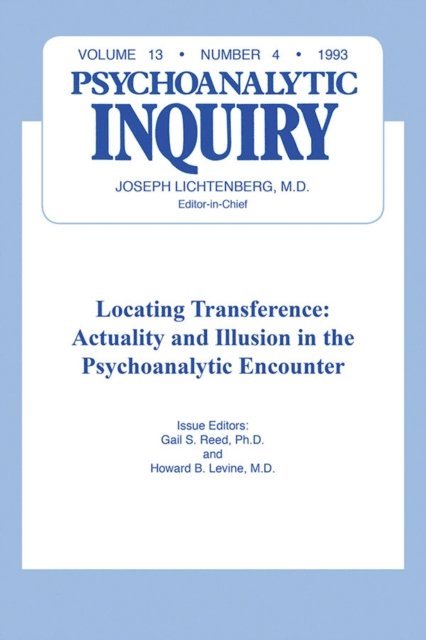
Locating Transference
Psychoanalytic Inquiry, 13.4
Av Gail S Reed, Howard B. Levine
Inbunden, 1993
787 kr
Lägg i varukorg
First published in 1993. This is Volume 13, No 4 of the Psychoanalytic Inquiry which focuses on locating transference: actuality and illusion in the psychoanalytic encounter. The interrelation between actuality and illusion within the clincal encounter is a subject that has influenced the tehory …
Locating Transference
Psychoanalytic Inquiry, 13.4
Av Howard B. Levine, Gail S Reed
E-bok, 2014
820 kr
Lägg i varukorg
First published in 1993. This is Volume 13, No 4 of the Psychoanalytic Inquiry which focuses on locating transference: actuality and illusion in the psychoanalytic encounter. The interrelation between actuality and illusion within the clincal encounter is a subject that has influenced the tehory …
Locating Transference
Psychoanalytic Inquiry, 13.4
Av Howard B. Levine, Gail S Reed
E-bok, 2014
820 kr
Lägg i varukorg
First published in 1993. This is Volume 13, No 4 of the Psychoanalytic Inquiry which focuses on locating transference: actuality and illusion in the psychoanalytic encounter. The interrelation between actuality and illusion within the clincal encounter is a subject that has influenced the tehory …
Unrepresented States and the Construction of Meaning
Clinical and Theoretical Contributions
Av Howard B. Levine, Gail S. Reed m. fl.
Häftad, 2013
594 kr
Lägg i varukorg
In the last several decades, the analytic field has widened considerably in scope. The therapeutic task is now seen by an increasing number of analysts to require that patient and analyst work together to strengthen, or to create, psychic structure that was previously weak, missing, or functionally …
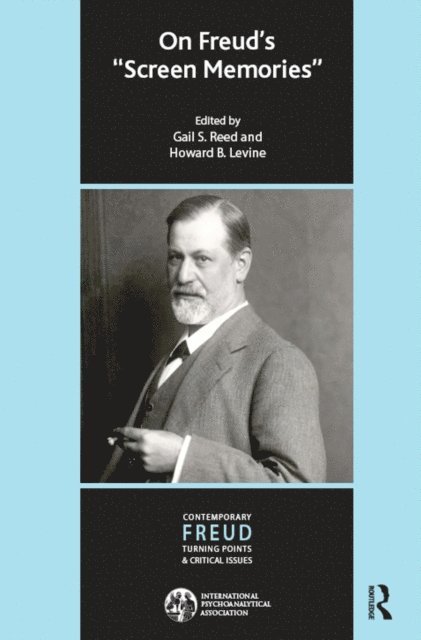
On Freud's "Screen Memories"
Av Howard B. Levine, Gail S. Reed
Häftad, 2014
589 kr
Lägg i varukorg
The concept of "screen memories" was introduced by Freud for the first time in his 1899 paper, reprinted here in its entirety. Although the clinical interest in "screen memories" has perhaps diminished in recent analytic discussion, there is much to be gained from revisiting and re-examining both …
André Green Revisited
Representation and the Work of the Negative
Av Gail S. Reed, Howard B. Levine
Häftad, 2018
561 kr
Lägg i varukorg
André Green was a leading voice in French psychoanalysis, a brilliant thinker and an innovative contributor to our field. His writings sit at the crossroads of contemporary psychoanalysis, where the challenges posed and the opportunities presented by the work of Lacan, Klein, Winnicott and Bion …
Clinical Understanding (Critical Issues in Psychoanalysis)
Av Gail S. Reed
Häftad, 1996
485 kr
Tillfälligt slut
Psychoanalytic understanding is defined by the principle that the dynamic unconscious is ubiquitous and determining. So humbling is the principle that we are always trying to deny it, forget it or find exceptions to it. And once its power is acknowledged, the analyst can never be separated from the …