Gal Gerson – författare
Visar alla böcker från författaren Gal Gerson. Handla med fri frakt och snabb leverans.
5 produkter
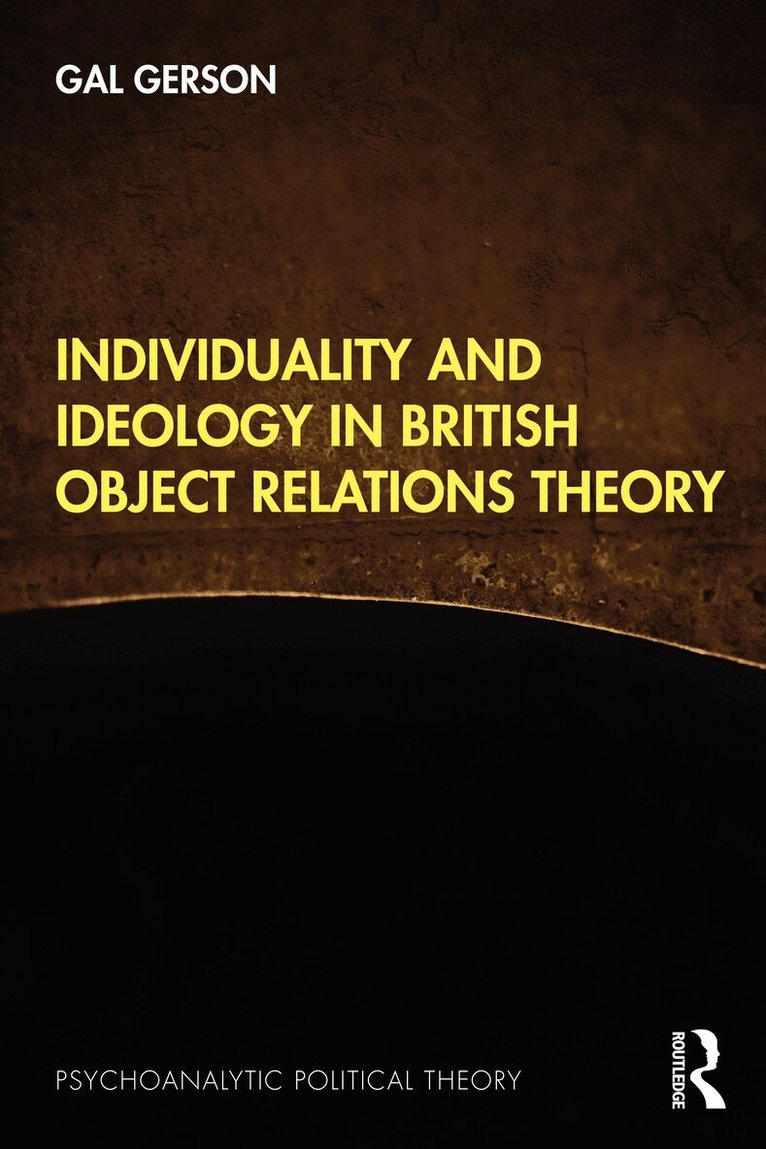
Individuality and Ideology in British Object Relations Theory
Av Gal Gerson
Häftad, 2023
670 kr
Lägg i varukorg
Following the work of prominent object relations theorists, such as Fairbairn, Suttie and Winnicott, Gal Gerson explores the correlation between analytical theory and intellectual environment in two ways. He notes the impact that the British object relations school had on both psychology and wider …
Individuality and Ideology in British Object Relations Theory
Av Gal Gerson
E-bok, 2021
790 kr
Lägg i varukorg
Following the work of prominent object relations theorists, such as Fairbairn, Suttie and Winnicott, Gal Gerson explores the correlation between analytical theory and intellectual environment in two ways. He notes the impact that the British object relations school had on both psychology and wider …
Individuality and Ideology in British Object Relations Theory
Av Gal Gerson
E-bok, 2021
814 kr
Lägg i varukorg
Following the work of prominent object relations theorists, such as Fairbairn, Suttie and Winnicott, Gal Gerson explores the correlation between analytical theory and intellectual environment in two ways. He notes the impact that the British object relations school had on both psychology and wider …
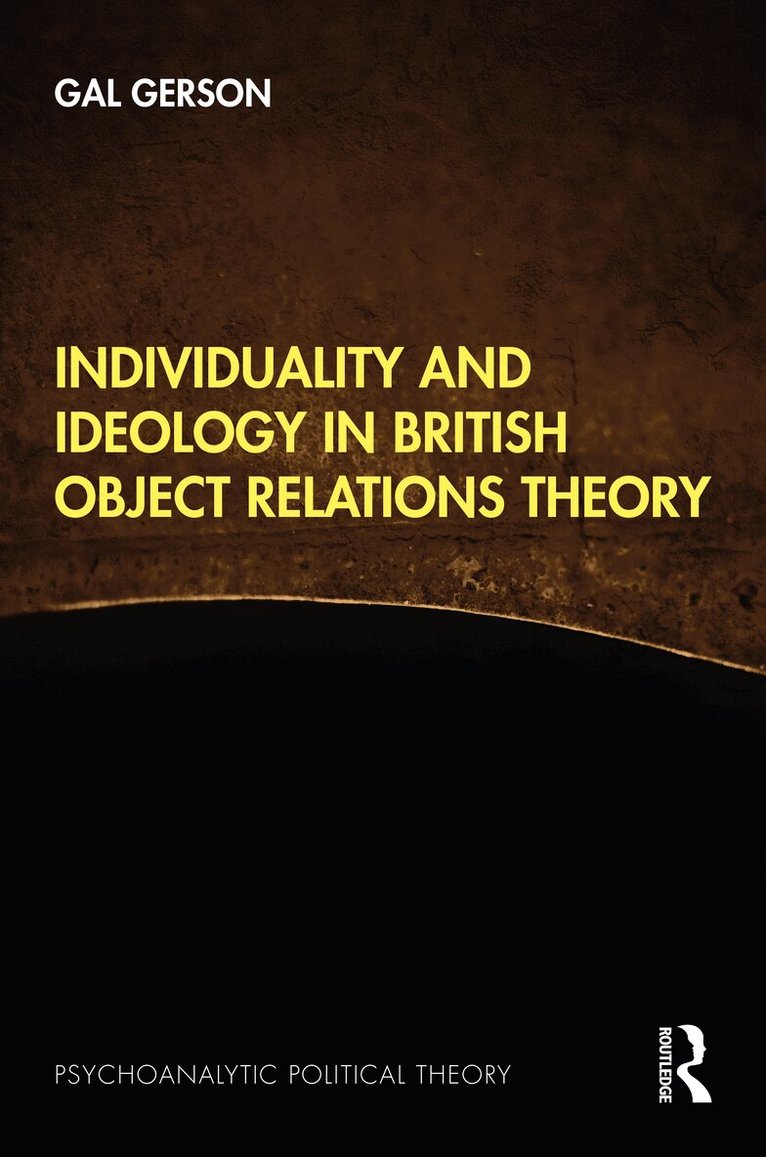
Individuality and Ideology in British Object Relations Theory
Av Gal Gerson
Inbunden, 2021
2433 kr
Lägg i varukorg
Following the work of prominent object relations theorists, such as Fairbairn, Suttie and Winnicott, Gal Gerson explores the correlation between analytical theory and intellectual environment in two ways. He notes the impact that the British object relations school had on both psychology and wider …
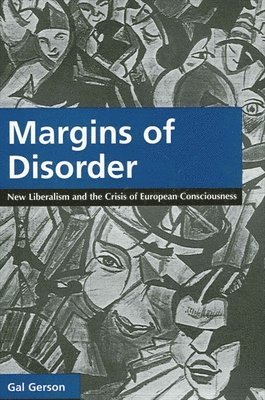
Margins of Disorder
New Liberalism and the Crisis of European Consciousness
Av Gal Gerson
Inbunden, 2004
1111 kr
Tillfälligt slut
Traces how progressive liberals in Edwardian Britain responded to contemporary intellectual trends.British liberalism in the period between 1870 and 1930 was a product of an era known for its intellectual crisis. During the late nineteenth century, the cohesion of reason and enlightenment was …