
Gal Ventura – författare
Visar alla böcker från författaren Gal Ventura. Handla med fri frakt och snabb leverans.
2 produkter
2 produkter
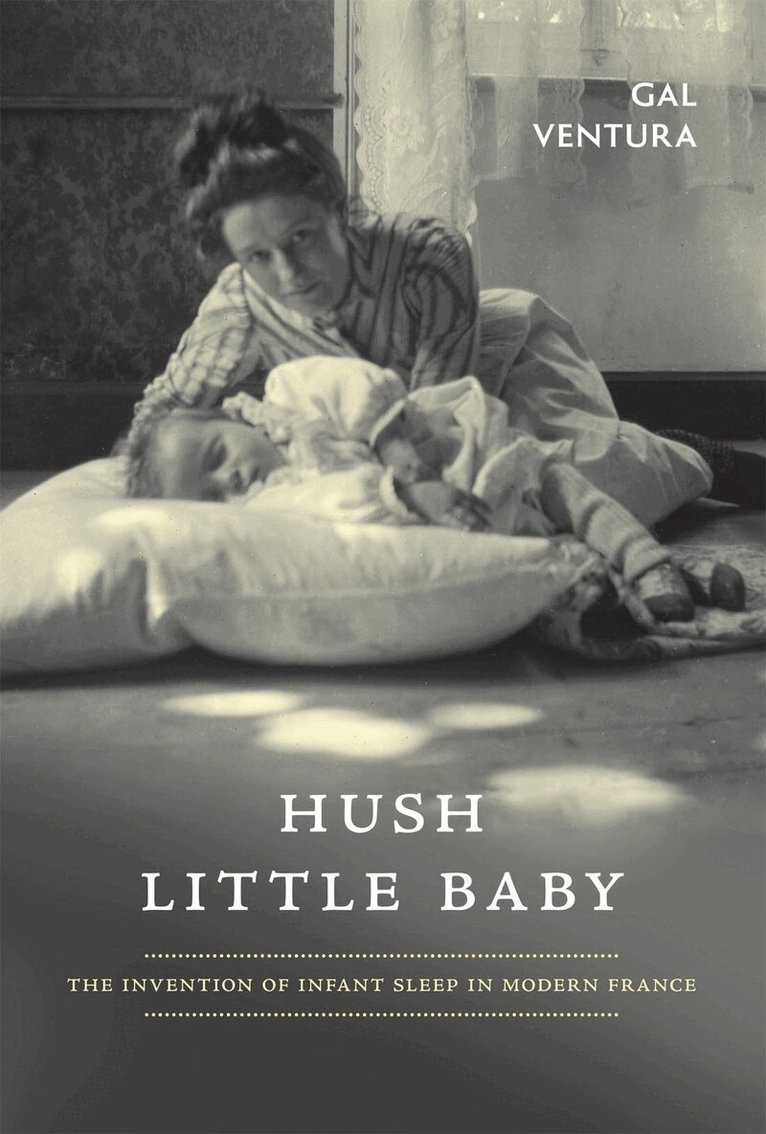
Inbunden, Engelska, 2023
1 058 kr
Skickas inom 5-8 vardagar
In the nineteenth century France became fixated on infant sleep. Pictures of sleeping babies proliferated in paintings, posters, and advertisements for cradles and toys. Childcare manuals and medical writings insisted on the importance of sleep as a measure of a child’s future health and vigour. Infant sleep was transformed from an unremarkable event to a precarious stage of life that demanded monitoring, support, and, above all, the constant presence and attention of mothers. Hush Little Baby uncovers the cultural, medical, and economic forces that came to shape Western ideas about infants’ sleeping patterns, rituals, and settings. By the mid-nineteenth century doctors were advising that infant sleep should be carefully controlled by caregivers according to medical guidelines, and that to do otherwise would risk compromising a child’s development. A sleeping baby was seen as the sign of a good mother – an idea that was reinforced through countless pictures of mothers watching vigilantly over their sleeping children, even as the reality of postpartum depression was known to doctors. The medical advice literature also helped to create a commercial infant industry, encouraging the production of clothing, bedding, cradles, and accessories designed to foster sleep, and providing new ways for families to demonstrate social status. In Hush Little Baby Gal Ventura shows how these images and ideas about babies’ sleep created many of the standards and expectations that keep parents awake today.
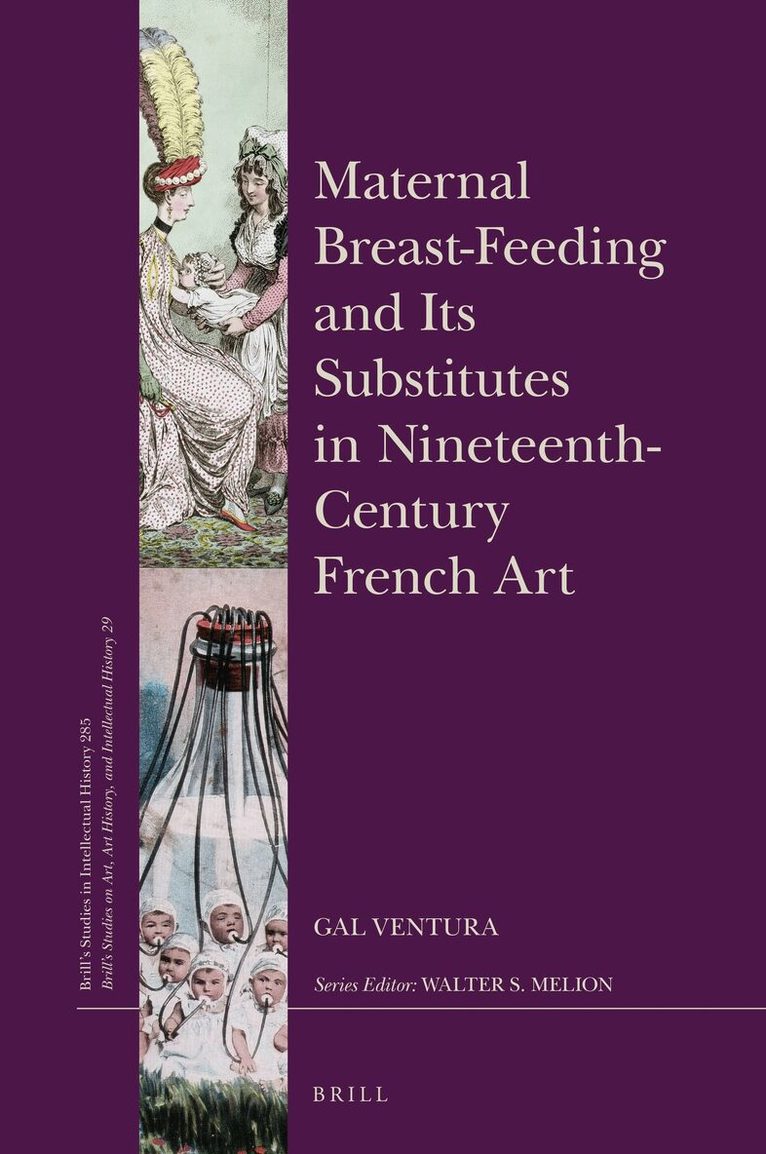
Inbunden, Engelska, 2018
3 461 kr
Skickas inom 5-8 vardagar
In Maternal Breast-Feeding and Its Substitutes in Nineteenth-Century French Art, Gal Ventura investigates the ideological concepts behind the endorsement of maternal breast-feeding in modern Western society. Using diverse visual and textual sources and surveying hundreds of artworks produced from the time of the French Revolution to the beginning of the twentieth century, Ventura reveals the historical, political, religious, and economic factors that shaped the representations of breast-feeding and its substitutes in French art. She thus sheds light on the changing attitudes toward maternal breast-feeding in nineteenth-century France, which have had a considerable impact on the glorification of breast-feeding in the Western world to this very day.