Gareth S. Owen - Böcker
Visar alla böcker från författaren Gareth S. Owen. Handla med fri frakt och snabb leverans.
3 produkter
3 produkter
824 kr
Skickas inom 7-10 vardagar
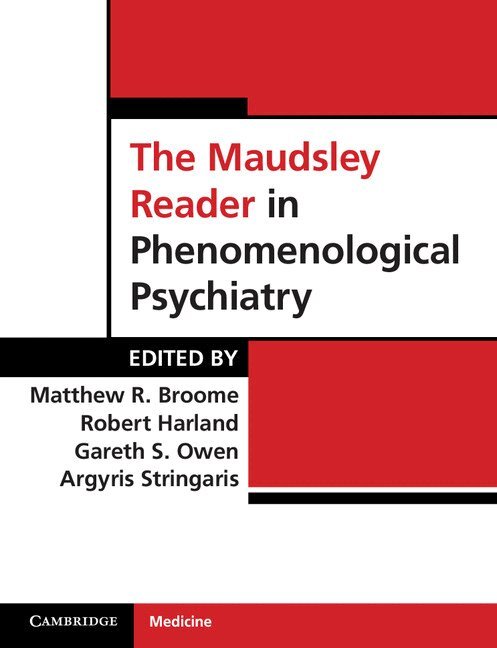
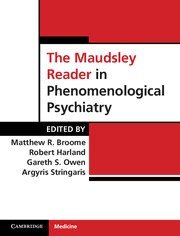
The interaction between philosophy and clinical psychopathology in the form of the 'phenomenological movement' was one of the most significant events to occur in mental health over the course of the last century. As the gulf between 'analytical' and 'continential' philosophy reduces, and as clinical psychiatry looks beyond DSM-IV and ICD-10, there is renewed enthusiasm for phenomenological thinking. This unique book brings together and interprets previously hard to find texts, new translations and passages detailing the interplay between philosophy and psychopathology, making them accessible to a new generation of mental health researchers, practitioners and policy makers. The content charts both the influence of key philosophers on ways of thinking and describes the impact and influence of phenomenological approaches to clinical work and understanding in a variety of mental disorders.
1 381 kr
Tillfälligt slut
The interaction between philosophy and clinical psychopathology in the form of the 'phenomenological movement' was one of the most significant events to occur in mental health over the course of the last century. As the gulf between 'analytical' and 'continential' philosophy reduces, and as clinical psychiatry looks beyond DSM-IV and ICD-10, there is renewed enthusiasm for phenomenological thinking. This unique book brings together and interprets previously hard to find texts, new translations and passages detailing the interplay between philosophy and psychopathology, making them accessible to a new generation of mental health researchers, practitioners and policy makers. The content charts both the influence of key philosophers on ways of thinking and describes the impact and influence of phenomenological approaches to clinical work and understanding in a variety of mental disorders.
385 kr
Skickas inom 7-10 vardagar
Psychiatry is medicine's most multi-disciplinary specialty and arguably its most intellectually and emotionally demanding. It has long attracted dual interpretations from cool, detached perspectives valuing objectivity (classic) to hotter, embodied and more political perspectives valuing subjectivity (romantic). Professor Owen argues that psychiatry should become more aware of classic and romantic threads that run through it. He approaches core topics in psychiatry and throughout the book both research and case material are used to animate the concepts. The author relates psychiatry to questions in philosophical anthropology and ethics. He presents human nature, mental disorder, and human freedom as inherently inter-related. This is a book of broad appeal to anyone interested in psychiatry and why this branch of medicine has ethical, legal and political significance.