Gary Bruce – Författare
Visar alla böcker från författaren Gary Bruce. Handla med fri frakt och snabb leverans.
4 produkter
4 produkter
473 kr
Skickas inom 5-8 vardagar
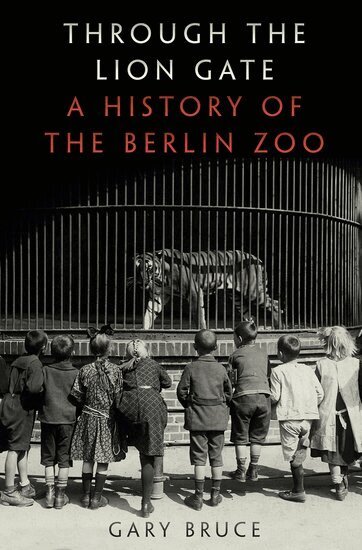
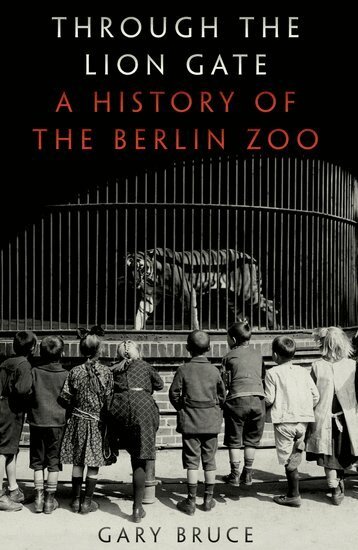
In 1943, fierce aerial bombardment razed the Berlin zoo and killed most of its animals. But only two months after the war's end, Berliners had already resurrected it, reopening its gates and creating a symbol of endurance in the heart of a shattered city. As this episode shows, the Berlin zoo offers one of the most unusual--yet utterly compelling--lenses through which to view German history. This enormously popular attraction closely mirrored each of the political systems under which it existed: the authoritarian monarchy of the kaiser, the Weimar Republic, Nazi Germany, and the post-1945 democratic and communist states.Gary Bruce provides the first English-language history of the Berlin zoo, from its founding in 1844 until the 1990 unification of the West Berlin and East Berlin zoos. At the center of the capital's social life, the Berlin zoo helped to shape German views not only of the animal world but also of the human world for more than 150 years. Given its enormous reach, the German government used the zoo to spread its political message, from the ethnographic display of Africans, Inuit, and other "exotic" peoples in the late nineteenth century to the Nazis' bizarre attempts to breed back long-extinct European cattle.By exploring the intersection of zoology, politics, and leisure, Bruce shows why the Berlin zoo was the most beloved institution in Germany for so long: it allowed people to dream of another place, far away from an often grim reality. It is not purely coincidence that the profound connection of Berliners to their zoo intensified through the bloody twentieth century. Its exotic, iconic animals--including Rostom the elephant, Knautschke the hippo, and Evi the sun bear--seemed to satisfy, even partially, a longing for a better, more tranquil world.
679 kr
Skickas inom 5-8 vardagar
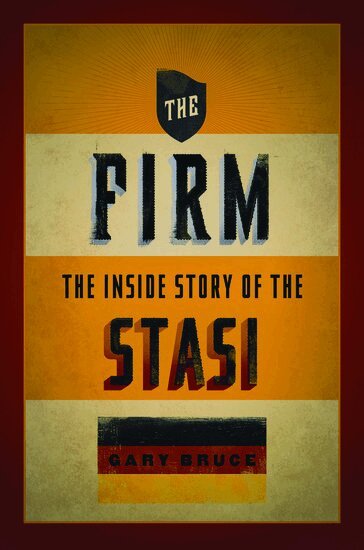
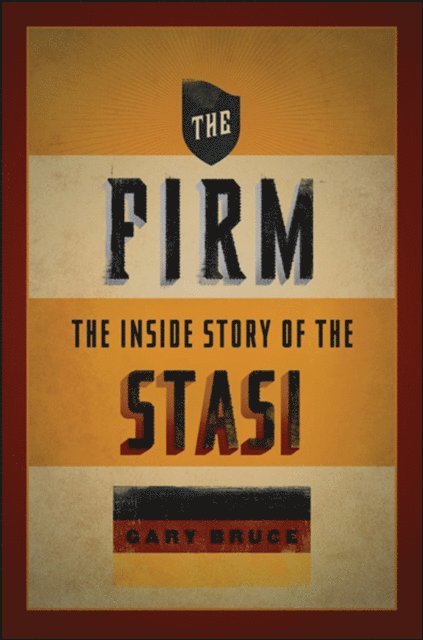
Based on previously classified documents and on interviews with former secret police officers and ordinary citizens, The Firm is the first comprehensive history of East Germany's secret police, the Stasi, at the grassroots level. Focusing on Gransee and Perleberg, two East German districts located north of Berlin, Gary Bruce reveals how the Stasi monitored small-town East Germany. He paints an eminently human portrait of those involved with this repressive arm of the government, featuring interviews with former officers that uncover a wide array of personalities, from devoted ideologues to reluctant opportunists, most of whom talked frankly about East Germany's obsession with surveillance. Their paths after the collapse of Communism are gripping stories of resurrection and despair, of renewal and demise, of remorse and continued adherence to the movement. The book also sheds much light on the role of the informant, the Stasi's most important tool in these out-of-the-way areas. Providing on-the-ground empirical evidence of how the Stasi operated on a day-to-day basis with ordinary people, this remarkable volume offers an unparalleled picture of life in a totalitarian state.
303 kr
Skickas inom 5-8 vardagar
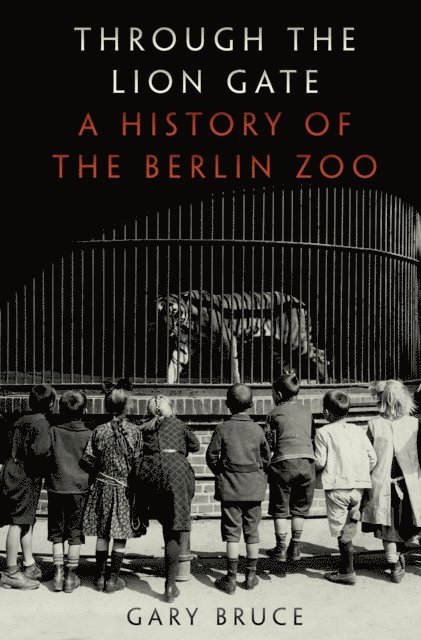
In 1943, fierce aerial bombardment razed the Berlin zoo and killed most of its animals. But only two months after the war's end, Berliners had already resurrected it, reopening its gates and creating a symbol of endurance in the heart of a shattered city. The Berlin zoo therefore offers one of the most unusual--yet utterly compelling--lenses through which to view German history. This enormously popular attraction closely mirrored each of the political systems under which it existed: the authoritarian monarchy of the kaiser, the Weimar Republic, Nazi Germany, and the post-1945 democratic and communist states.In Through the Lion Gate, Gary Bruce provides the first English-language history of the Berlin zoo, from its founding in 1844 until the 1990 unification of the West Berlin and East Berlin zoos. At the center of the capital's social life, the Berlin zoo helped to shape German views not only of the animal world but also of the human world for more than 150 years. Given its enormous reach, the German government used the zoo to spread its political message, from the ethnographic display "exotic" peoples in the late nineteenth century to the Nazis' bizarre attempts to breed back long-extinct European cattle.By exploring the intersection of zoology, politics, and leisure, Bruce shows why the Berlin zoo was the most beloved institution in Germany for so long: it allowed people to dream of another place, far away from an often grim reality. It is not purely coincidence that the profound connection of Berliners to their zoo intensified through the bloody twentieth century. Its exotic, iconic animals--including Rostom the elephant, Knautschke the hippo, and Evi the sun bear--seemed to satisfy, even partially, a longing for a better, more tranquil world.
470 kr
Skickas inom 5-8 vardagar
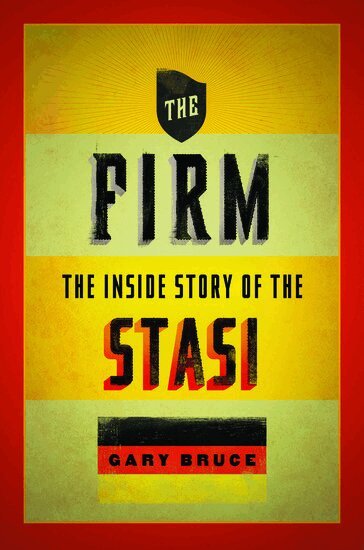
Based on previously classified documents and on interviews with former secret police officers and ordinary citizens, The Firm is the first comprehensive history of East Germany's secret police, the Stasi, at the grassroots level. Focusing on Gransee and Perleberg, two East German districts located north of Berlin, Gary Bruce reveals how the Stasi monitored small-town East Germany. He paints an eminently human portrait of those involved with this repressive arm of the government, featuring interviews with former officers that uncover a wide array of personalities, from devoted ideologues to reluctant opportunists, most of whom talked frankly about East Germany's obsession with surveillance. Their paths after the collapse of Communism are gripping stories of resurrection and despair, of renewal and demise, of remorse and continued adherence to the movement. The book also sheds much light on the role of the informant, the Stasi's most important tool in these out-of-the-way areas. Providing on-the-ground empirical evidence of how the Stasi operated on a day-to-day basis with ordinary people, this remarkable volume offers an unparalleled picture of life in a totalitarian state. "Brilliantly written and deeply researched, this is the best book in any language on East Germany's Stasi."--Robert Gellately, author of Lenin, Stalin, and Hitler: The Age of Social Catastrophe "This is surely the most detailed micro-analysis of the East German security service.... In a rare step, Bruce actually interviews a number of former Stasi staff, weaving from his conversations telling portraits of 14 of them." --Foreign Affairs | "Brilliant, thoroughly researched, and highly readableenables readers to better understand how the Stasi operated in everyday life and how its inescapable presence affected citizens." --CHOICE "Bruce has done an admirable job of exploring the repressive nature of the East German state and the experience of normalcy in small towns where the watchers and watched lived side by side."--Oral History Review