Gary L. Stuart – författare
Visar alla böcker från författaren Gary L. Stuart. Handla med fri frakt och snabb leverans.
15 produkter
15 produkter
215 kr
Skickas inom 5-8 vardagar
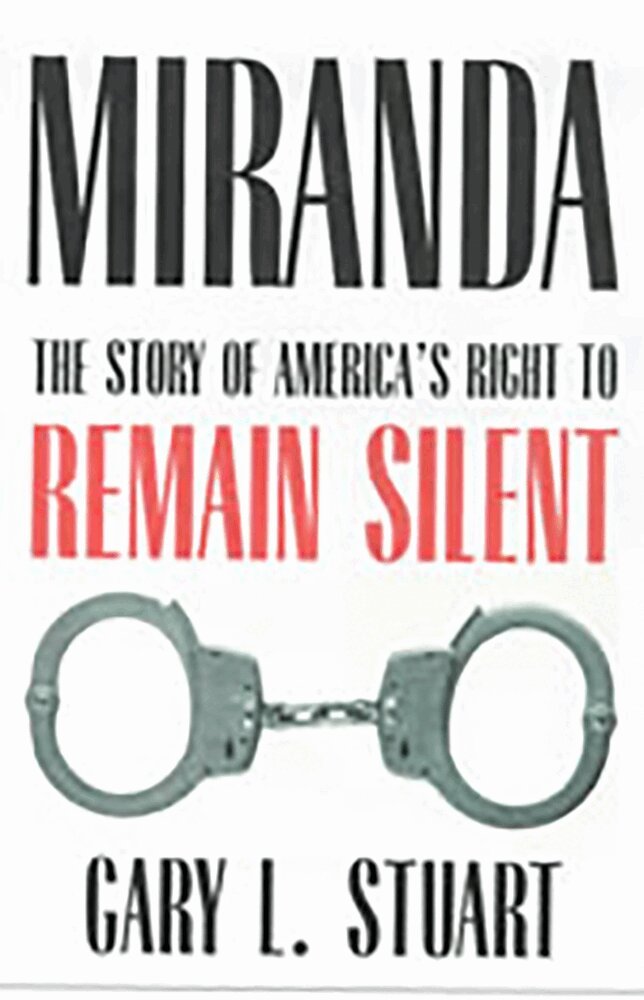
One of the most significant Supreme Court cases in U.S. history has its roots in Arizona and is closely tied to the state's leading legal figures. Miranda has become a household word; now Gary Stuart tells the inside story of this famous case, and with it the legal history of the accused's right to counsel and silence. Ernesto Miranda was an uneducated Hispanic man arrested in 1963 in connection with a series of sexual assaults, to which he confessed within hours. He was convicted not on the strength of eyewitness testimony or physical evidence but almost entirely because he had incriminated himself without knowing it and without knowing that he didn t have to. Miranda's lawyers, John P. Frank and John F. Flynn, were among the most prominent in the state, and their work soon focused the entire country on the issue of their client's rights. A 1966 Supreme Court decision held that Miranda's rights had been violated and resulted in the now-famous "Miranda warnings."Stuart personally knows many of the figures involved in Miranda, and here he unravels its complex history, revealing how the defense attorneys created the argument brought before the Court and analyzing the competing societal interests involved in the case. He considers Miranda's aftermath not only the test cases and ongoing political and legal debate but also what happened to Ernesto Miranda. He then updates the story to the Supreme Court's 2000 Dickerson decision upholding Miranda and considers its implications for cases in the wake of 9/11 and the rights of suspected terrorists. Interviews with 24 individuals directly concerned with the decision lawyers, judges, and police officers, as well as suspects, scholars, and ordinary citizens offer observations on the case's impact on law enforcement and on the rights of the accused. Ten years after the decision in the case that bears his name, Ernesto Miranda was murdered in a knife fight at a Phoenix bar, and his suspected killer was "Mirandized" before confessing to the crime.Miranda: The Story of America's Right to Remain Silent considers the legacy of that case and its fate in the twenty-first century as we face new challenges in the criminal justice system.
202 kr
Skickas inom 5-8 vardagar
244 kr
Skickas inom 3-6 vardagar
Del 4 - Book Four in the Angus
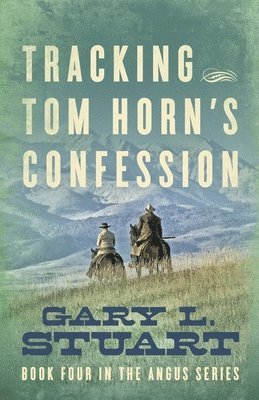
Tracking Tom Horn's Confession
Book Four in the Angus Series
Häftad, Engelska, 2021
188 kr
Skickas inom 5-8 vardagar
235 kr
Skickas inom 3-6 vardagar
244 kr
Skickas inom 3-6 vardagar
244 kr
Skickas inom 3-6 vardagar
265 kr
Skickas inom 5-8 vardagar
424 kr
Skickas inom 5-8 vardagar
240 kr
Tillfälligt slut
Anatomy of a Confession is the story of the 1990 murder trial of Debra Milke. Two men-Debra's boyfriend at the time and a friend of his-murdered Debra's four year-old son in the Arizona desert. One of them implicated the boy's mother. Even before Debra was questioned, the police hung a guilty tag on her. Debra Milke spent twenty-three years on death row for the murder of her four year-old son based solely on a confession she never gave. This is also the story of Detective Armando Saldate, his history of extracting forced confessions, and the role the Phoenix Police Department played in the cover-up and misconduct in its handling of the Milke investigation. Anatomy of a Confession is a vivid and shocking reminder of what America's vaunted presumption of innocence is all about.
159 kr
Skickas inom 5-8 vardagar
187 kr
Skickas inom 5-8 vardagar
280 kr
Skickas inom 5-8 vardagar
280 kr
Skickas inom 5-8 vardagar
213 kr
Skickas inom 5-8 vardagar
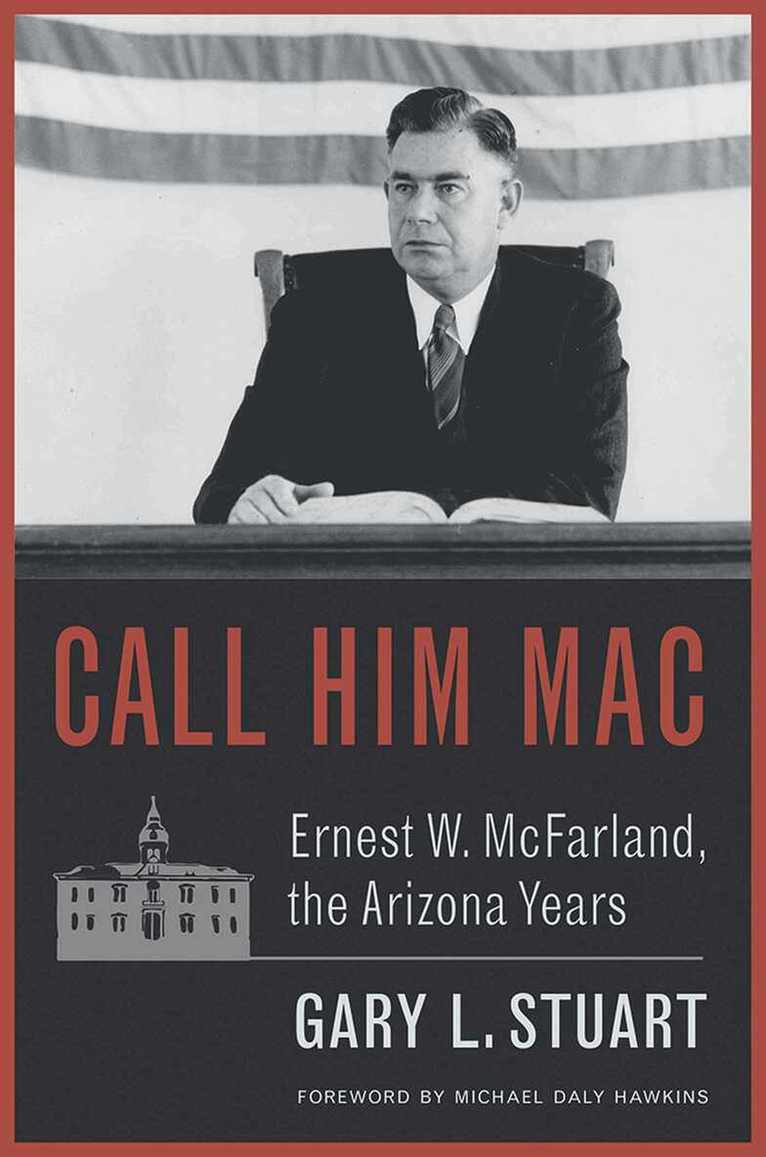
The political life of Ernest W. McFarland—lawyer, judge, senator, governor, Supreme Court justice, and businessman—is well documented. Less well known is his life as a family man, country lawyer, rural judge, and visionary.In Call Him Mac, Gary L. Stuart renders a nuanced portrait of a young, ambitious, restless, and smiling man on the verge of becoming a political force on his way to the highest levels of governance in Arizona and America. Stuart reveals how Mac became an expert on water law and a visionary in Arizona's agricultural future. Using interviews with friends and family and extensive primary source research, Stuart spotlights Mac's unerring focus as a loving husband, father, and grandfather, even in times of great personal tragedy. Mac's commitments to his family mirrored his sense of fiduciary duty in public life. His enormous political successes were answers to how he dealt with threats to his own life in 1919, the loss of his first wife and three children in the 1930s, and a political loss in 1952 that no one saw coming.Stuart writes the little-known story of how Arizona's culture and citizens shaped this energetic, determined, likable lawyer. The fame Mac created was not for himself but for those he served in Arizona and beyond. Mac's unparalleled political success was fermented during his early Arizona years, the bridge that brought him to his future as an approachable and likable elder statesman of Arizona politics.