Gauvin Bailey - Böcker
Visar alla böcker från författaren Gauvin Bailey. Handla med fri frakt och snabb leverans.
2 produkter
2 produkter
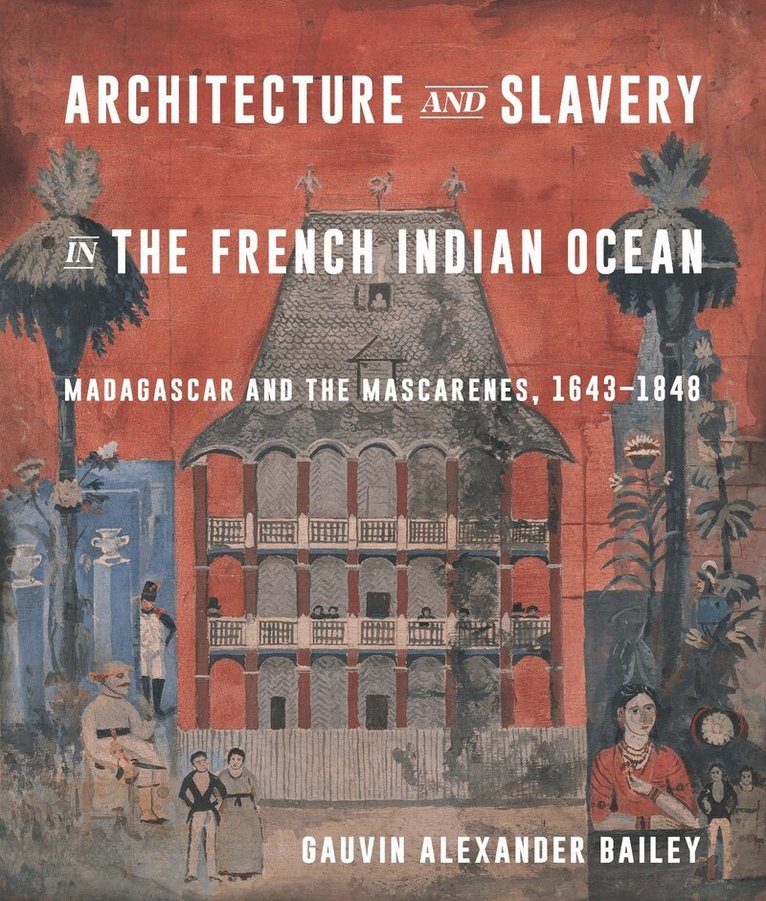
Architecture and Slavery in the French Indian Ocean
Madagascar and the Mascarenes, 1643-1848
Inbunden, Engelska, 2026
1 236 kr
Kommande
From the founding of Fort-Dauphin in 1643 to the abolition of slavery in the French territories in 1848, colonial and para-colonial architecture in Madagascar and the Mascarene Islands included the largest and costliest buildings in France’s premodern empire. This unique architecture was shaped by changing ideas of French identity, familiar imperial architectural and urbanistic forms, deliberately eclectic and cosmopolitan patronage, the exceptional ethnic diversity of the colony’s builders, and the fragile boundary between bondage and freedom that lay at the heart of French colonialism in the southern Indian Ocean.From modest projects that express a longing for French village life to classical baroque public buildings in the style of the Sun King and spacious private houses increasingly adapted to the local environment, architecture in Madagascar and the Mascarenes reflected a unique mix of metropolitan, colonial, and Indian and Malagasy forms and traditions. But buildings tell only half the story. There were many more builders in Île-de-France and Bourbon compared with other colonies, from a far greater variety of backgrounds – indentured Indian and French labourers as well as enslaved and free Malagasy, East African, and Indian people, including mixed-race engagé builders who operated within networks that predated the French presence. The stories of the carpenters, masons, engineers, and other skilled labourers who constructed the citadels, churches, and plantation houses are painstakingly reconstructed from primary documents that hold a wealth of information about daily life in the colonies.Encompassing over two centuries of urban, royal, and vernacular building, Architecture and Slavery in the French Indian Ocean complicates our understanding of slavery, race, and colonial architecture in the early modern period.
830 kr
Skickas inom 10-15 vardagar
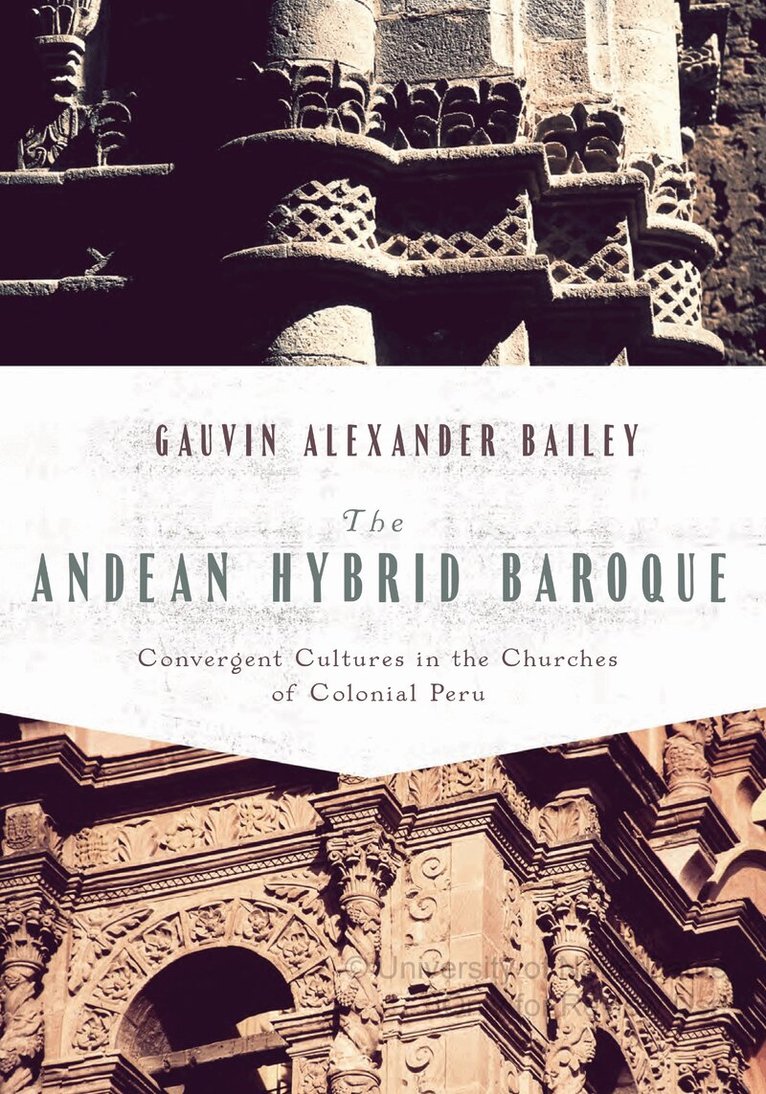
The Andean Hybrid Baroque is the first comprehensive study of the architecture and architectural sculpture of Southern Peru in the late colonial period (1660s-1820s), an enduring and polemical subject in Latin American art history. In the southern Andes during the last century and a half of colonial rule, when the Spanish crown was losing its grip on the Americas and Amerindian groups began organizing into activist and increasingly violent political movements, a style of architectural sculpture emerged that remains one of the most vigorous and creative outcomes of the meeting of two cultures. The Andean Hybrid Baroque (also known as "Mestizo Style"), was a flourishing school of carving distinguished by its virtuoso combination of European late Renaissance and Baroque forms with Andean sacred and profane symbolism, some of it originating in the pre-Hispanic era. The Andean Hybrid Baroque found its genesis and most comprehensive iconographical expression in the architecture of Catholic churches, chapels, cloisters, and conventual buildings. Drawing on hundreds of primary documents and on ethno-historical and anthropological literature that has rarely been applied to an art-historical subject, Gauvin Alexander Bailey provides the most substantial study of colonial Peruvian architecture in decades. The product of five years of photographic surveys in Peru, Bolivia, and Argentina, as well as research in governmental and ecclesiastical archives in Latin America and Europe, Bailey's richly illustrated study examines the construction history and decoration of forty-four churches. It offers a fundamentally new understanding of the chronology, regional variations, and diffusion of the Andean Hybrid Baroque style, as well as a fresh interpretation of its relationship to indigenous Andean culture.