Gavin Alexander – författare
Visar alla böcker från författaren Gavin Alexander. Handla med fri frakt och snabb leverans.
17 produkter
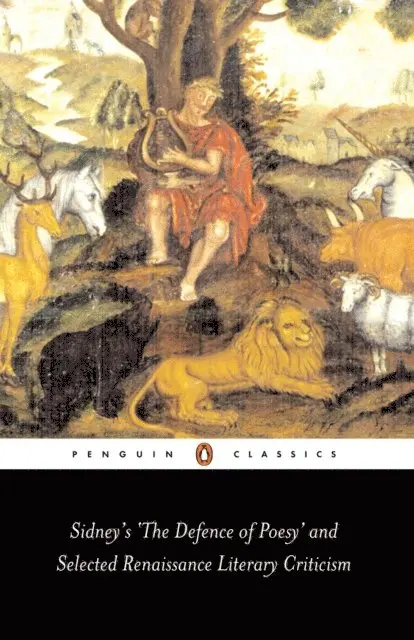
Sidney's 'The Defence of Poesy' and Selected Renaissance Literary Criticism
E-bok, 2004
108 kr
Lägg i varukorg
Controversy raged through England during the 1570-80s as Puritans denounced all manner of games & pastimes as a danger to public morals. Writers quickly turrned their attention to their own art and the first & most influential response came with Philip Sidney's Defense. Here he set out to answer …
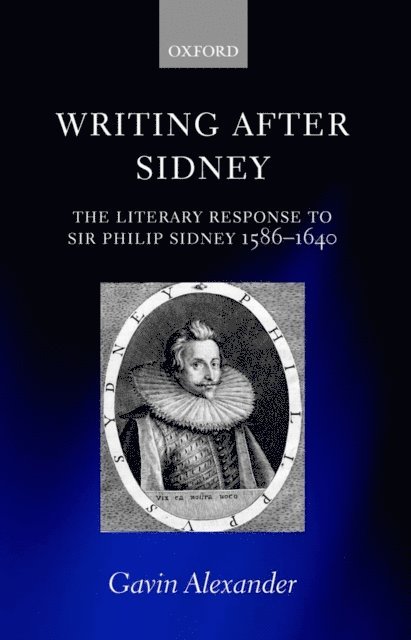
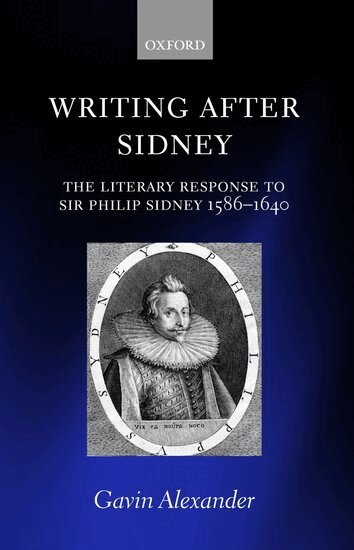
Writing after Sidney
The Literary Response to Sir Philip Sidney 1586-1640
E-bok, 2006
675 kr
Lägg i varukorg
Writing After Sidney examines the literary response to Sir Philip Sidney (1554-86), author of the Arcadia, Astrophil and Stella, and The Defence of Poesy, and the most immediately influential writer of the Elizabethan period. It does so by looking closely both at Sidney and at four writers who had …
Writing after Sidney
The Literary Response to Sir Philip Sidney 1586-1640
E-bok, 2010
675 kr
Lägg i varukorg
Writing After Sidney examines the literary response to Sir Philip Sidney (1554-86), author of the Arcadia, Astrophil and Stella, and The Defence of Poesy, and the most immediately influential writer of the Elizabethan period. It does so by looking closely both at Sidney and at four writers who had …
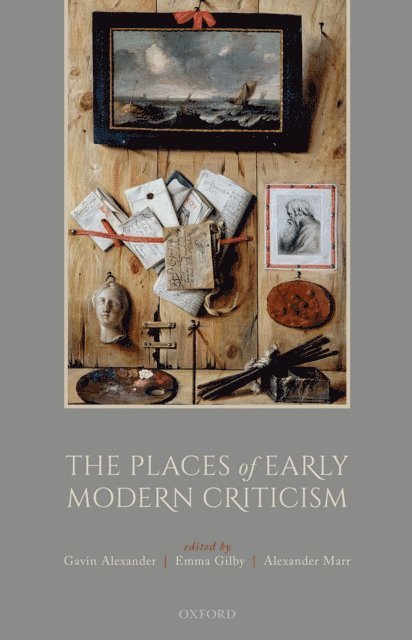
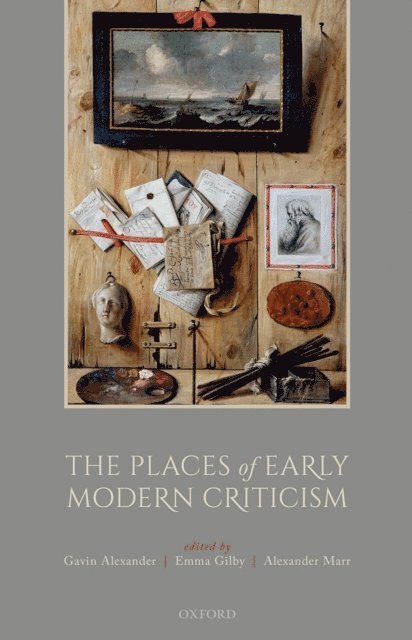
Places of Early Modern Criticism
Av Alexander Marr, Emma Gilby m. fl.
E-bok, 2021
1434 kr
Lägg i varukorg
What is criticism? And where is it to be found? Thinking about literature and the visual arts is found in many places - in treatises, apologies, and paragoni; in prefaces, letters, and essays; in commentaries, editions, reading notes, and commonplace books; in images, sculptures, and built spaces; …
Places of Early Modern Criticism
Av Alexander Marr, Emma Gilby m. fl.
E-bok, 2021
1434 kr
Lägg i varukorg
What is criticism? And where is it to be found? Thinking about literature and the visual arts is found in many places - in treatises, apologies, and paragoni; in prefaces, letters, and essays; in commentaries, editions, reading notes, and commonplace books; in images, sculptures, and built spaces; …
The Places of Early Modern Criticism
Av Gavin Alexander, Emma Gilby m. fl.
Inbunden, 2021
1599 kr
Lägg i varukorg
What is criticism? And where is it to be found? Thinking about literature and the visual arts is found in many places - in treatises, apologies, and paragoni; in prefaces, letters, and essays; in commentaries, editions, reading notes, and commonplace books; in images, sculptures, and built spaces; …
Writing after Sidney
The Literary Response to Sir Philip Sidney 1586-1640
Inbunden, 2006
2705 kr
Lägg i varukorg
Writing After Sidney examines the literary response to Sir Philip Sidney (1554-86), author of the Arcadia, Astrophil and Stella, and The Defence of Poesy, and the most immediately influential writer of the Elizabethan period. It does so by looking closely both at Sidney and at four writers who had …
Writing after Sidney
The Literary Response to Sir Philip Sidney 1586-1640
Häftad, 2010
1004 kr
Lägg i varukorg
Writing After Sidney examines the literary response to Sir Philip Sidney (1554-86), author of the Arcadia, Astrophil and Stella, and The Defence of Poesy, and the most immediately influential writer of the Elizabethan period. It does so by looking closely both at Sidney and at four writers who had …
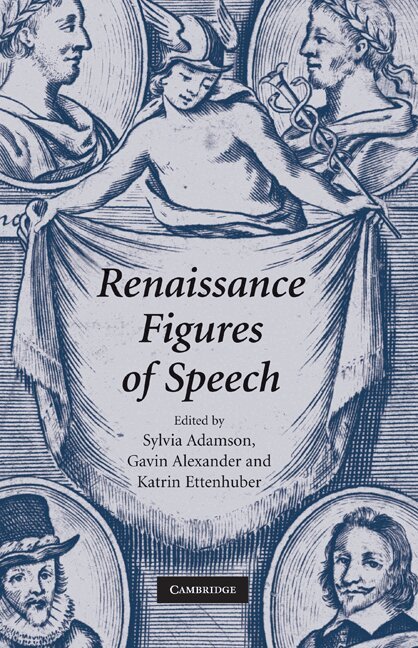
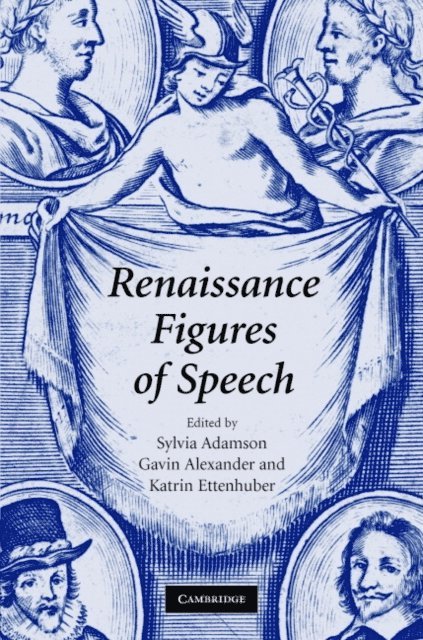
Renaissance Figures of Speech
Av Sylvia Adamson, Gavin Alexander m. fl.
Häftad, 2011
842 kr
Lägg i varukorg
The Renaissance saw a renewed and energetic engagement with classical rhetoric; recent years have seen a similar revival of interest in Renaissance rhetoric. As Renaissance critics recognised, figurative language is the key area of intersection between rhetoric and literature. This book is the …
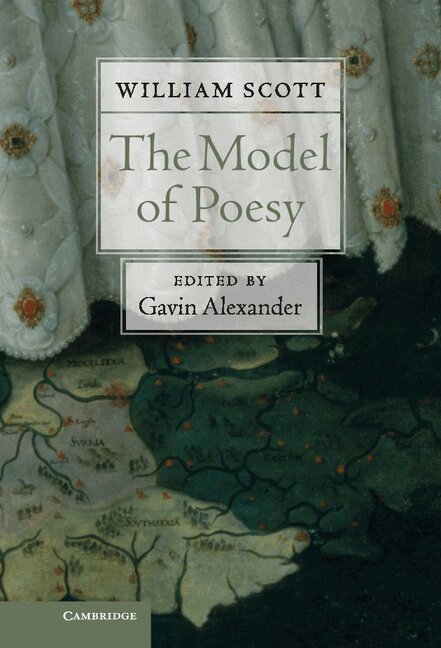
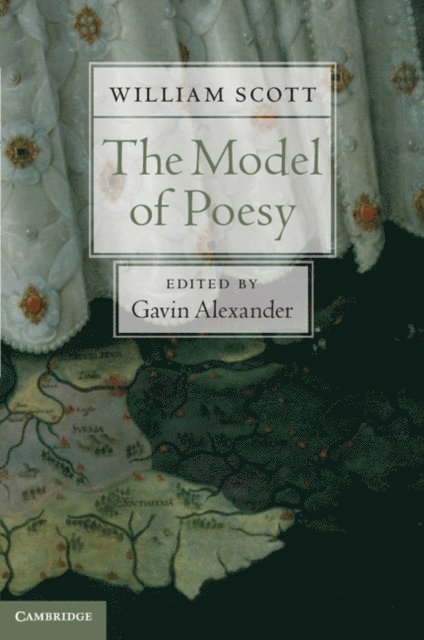
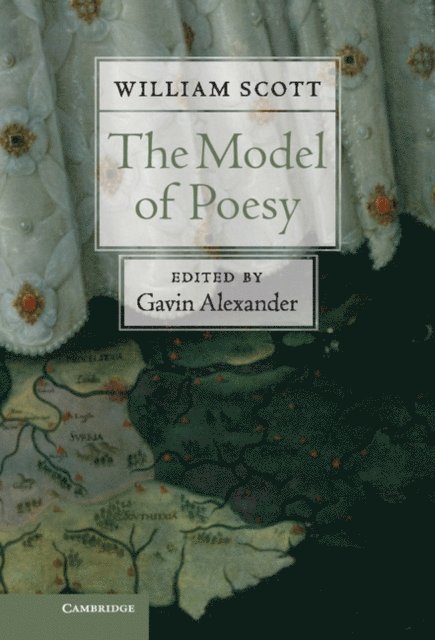
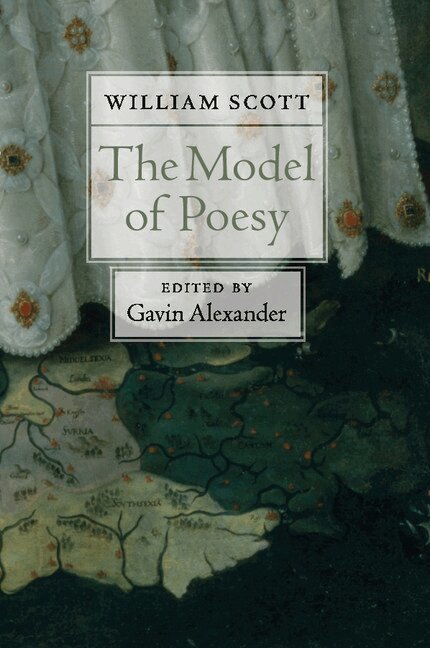
The Model of Poesy
Av William Scott, Gavin Alexander
Inbunden, 2013
1891 kr
Lägg i varukorg
The Model of Poesy is one of the most exciting literary discoveries of recent years. A manuscript treatise on poetics written by William Scott in 1599, at the end of the most revolutionary decade in English literary history, it includes rich discussions of the works of Sidney, Spenser, Shakespeare …
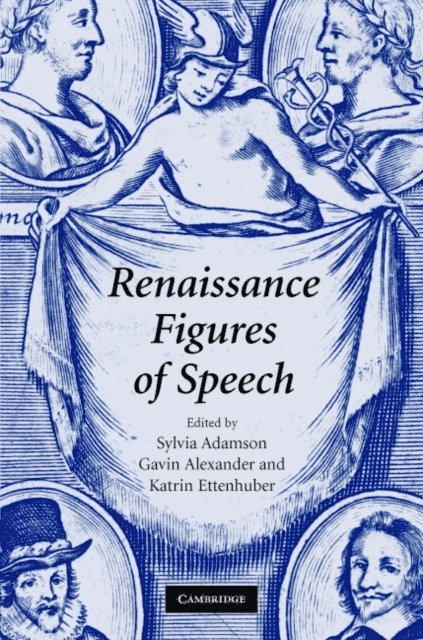
Renaissance Figures of Speech
Av Sylvia Adamson, Gavin Alexander m. fl.
Inbunden, 2007
1704 kr
Lägg i varukorg
The Renaissance saw a renewed and energetic engagement with classical rhetoric; recent years have seen a similar revival of interest in Renaissance rhetoric. As Renaissance critics recognised, figurative language is the key area of intersection between rhetoric and literature. This book is the …
Model of Poesy
Av William Scott, Gavin Alexander
E-bok, 2013
532 kr
Lägg i varukorg
The Model of Poesy is one of the most exciting literary discoveries of recent years. A manuscript treatise on poetics written by William Scott in 1599, at the end of the most revolutionary decade in English literary history, it includes rich discussions of the works of Sidney, Spenser, Shakespeare …
Model of Poesy
Av William Scott, Gavin Alexander
E-bok, 2013
544 kr
Lägg i varukorg
The Model of Poesy is one of the most exciting literary discoveries of recent years. A manuscript treatise on poetics written by William Scott in 1599, at the end of the most revolutionary decade in English literary history, it includes rich discussions of the works of Sidney, Spenser, Shakespeare …
Renaissance Figures of Speech
Av Katrin Ettenhuber, Gavin Alexander m. fl.
E-bok, 2007
807 kr
Lägg i varukorg
The Renaissance saw a renewed and energetic engagement with classical rhetoric; recent years have seen a similar revival of interest in Renaissance rhetoric. As Renaissance critics recognised, figurative language is the key area of intersection between rhetoric and literature. This book is the …
Renaissance Figures of Speech
Av Katrin Ettenhuber, Gavin Alexander m. fl.
E-bok, 2007
825 kr
Lägg i varukorg
The Renaissance saw a renewed and energetic engagement with classical rhetoric; recent years have seen a similar revival of interest in Renaissance rhetoric. As Renaissance critics recognised, figurative language is the key area of intersection between rhetoric and literature. This book is the …
The Model of Poesy
Av William Scott, Gavin Alexander
Häftad, 2016
560 kr
Lägg i varukorg
The Model of Poesy is one of the most exciting literary discoveries of recent years. A manuscript treatise on poetics written by William Scott in 1599, at the end of the most revolutionary decade in English literary history, it includes rich discussions of the works of Sidney, Spenser, Shakespeare …