Ged Martin – författare
Visar alla böcker från författaren Ged Martin. Handla med fri frakt och snabb leverans.
11 produkter
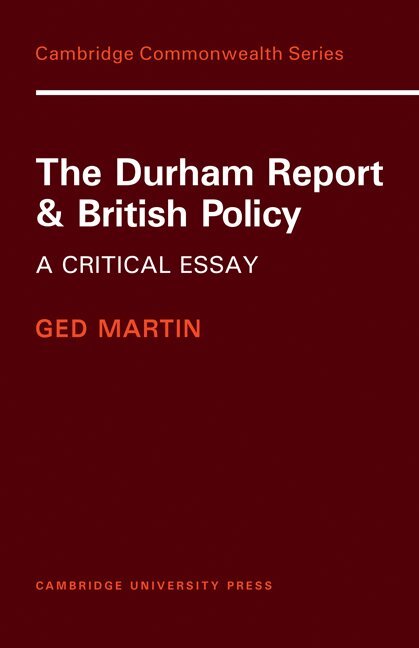
The Durham Report and British Policy
A Critical Essay
Av Ged Martin
Häftad, 2008
574 kr
Lägg i varukorg
In 1838 Lord Melbourne's Whig government in Britain sent the radical Lord Durham to Canada as Governor-General to deal with a colony in the aftermath of a rebellion. Durham's vanity and arrogance made him a poor choice for the post, and he resigned a few months later after the government had been …
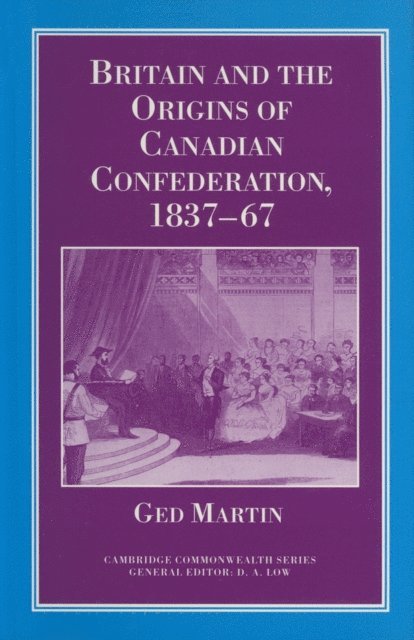
Britain and the Origins of Canadian Confederation, 1837-67
Av Ged Martin
Häftad, 1995
425 kr
Lägg i varukorg
In explaining why the British North American provinces united in 1867, historians have tended to see Confederation as a logical response to the internal and external challenges of the 1860s. With some ambiguity, they have also attributed a major role to the British imperial factor in forcing the …
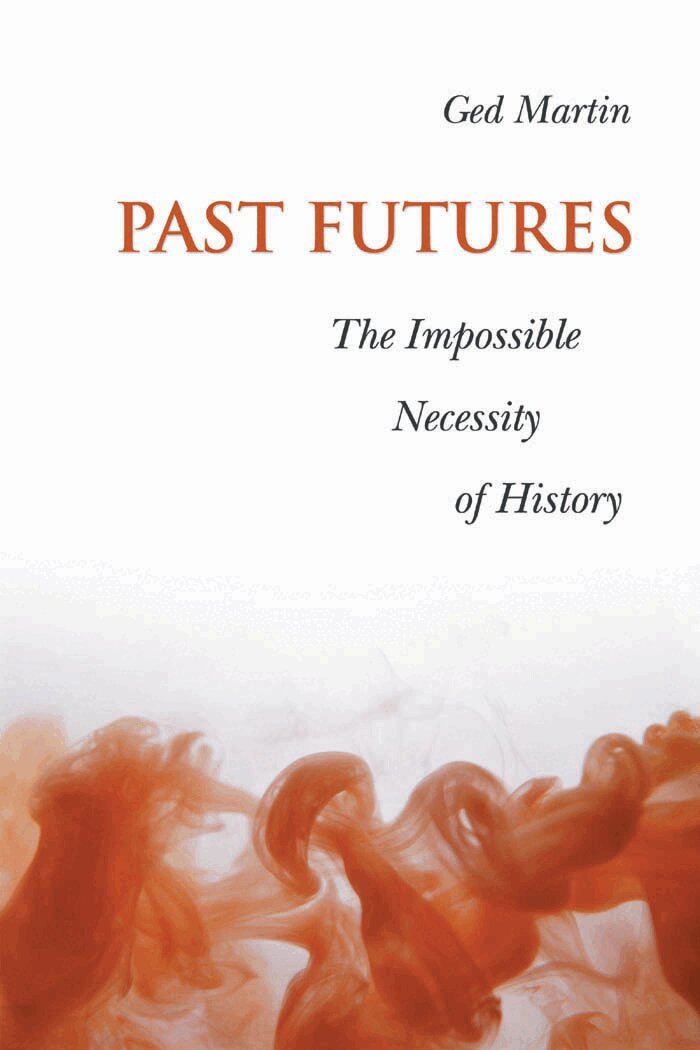
Past Futures
The Impossible Necessity of History
Av Ged Martin
Häftad, 2004
439 kr
Lägg i varukorg
By nature, human beings seek to make sense of their past. Paradoxically, true historical explanation is ultimately impossible. Historians never have complete evidence from the past, nor is their methodology rigorous enough to prove causal links. Although it cannot be proven that 'A caused B,' by …
Britain and the Origins of Canadian Confederation, 1837-67
Av Ged Martin
E-bok, 1994
1169 kr
Lägg i varukorg
In Britain and the Origins of Canadian Confederation (1837-1867), Ged Martin challenges the view that the provinces of British North America united between 1864 and 1867 in response to the internal and external challenges of the time. After a sceptical review of the way in which historians have …
Past Futures
The Impossible Necessity of History
Av Ged Martin
E-bok, 2004
504 kr
Lägg i varukorg
By nature, human beings seek to make sense of their past. Paradoxically, true historical explanation is ultimately impossible. Historians never have complete evidence from the past, nor is their methodology rigorous enough to prove causal links. Although it cannot be proven that 'A caused B,' by …
Past Futures
The Impossible Necessity of History
Av Ged Martin
E-bok, 2004
571 kr
Lägg i varukorg
By nature, human beings seek to make sense of their past. Paradoxically, true historical explanation is ultimately impossible. Historians never have complete evidence from the past, nor is their methodology rigorous enough to prove causal links. Although it cannot be proven that 'A caused B,' by …
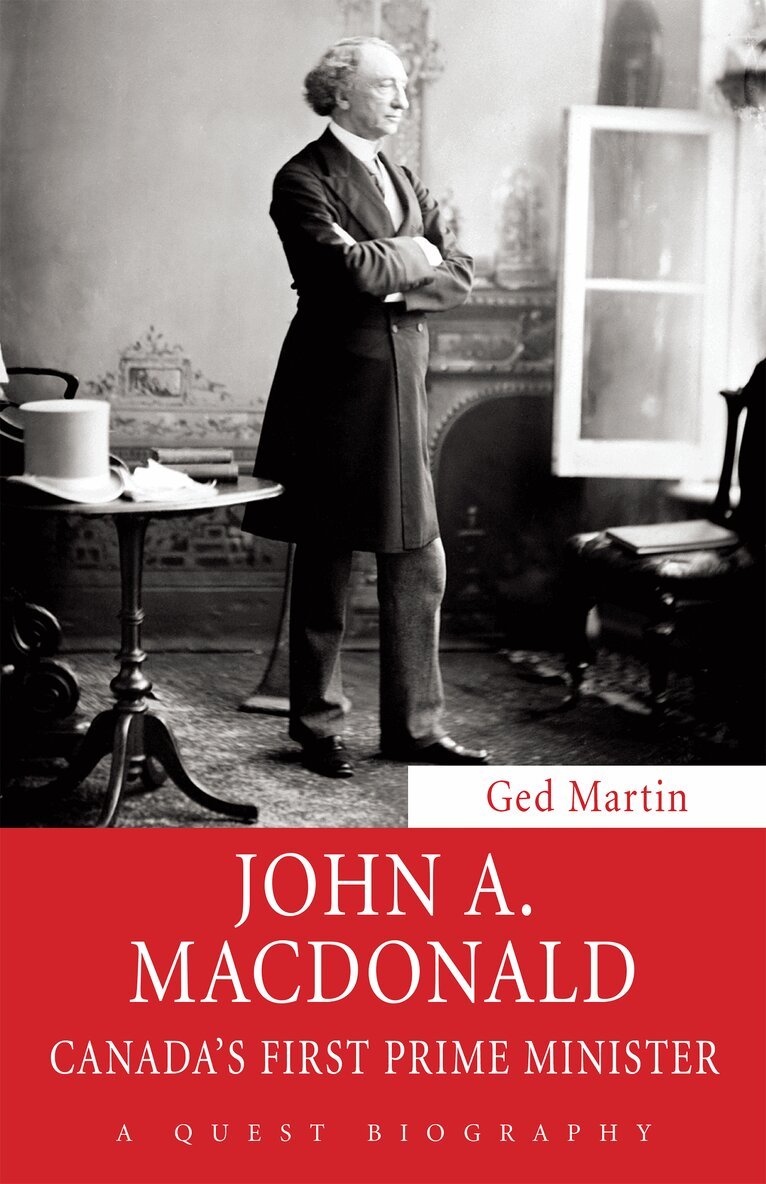
John A. Macdonald
Canada's First Prime Minister
Av Ged Martin
Häftad, 2013
274 kr
Lägg i varukorg
A biography of Canada’s first prime minister, a legendary political strategist who helped found a new nation in 1867. Shocked by Canada’s 1837 rebellions, John A. Macdonald sought to build alliances and avoid future conflicts. Thanks to financial worries and an alcohol problem, he almost quit …
John A. Macdonald
Canada''s First Prime Minister
Av Ged Martin
E-bok, 2013
183 kr
Lägg i varukorg
A biography of Canada’s first prime minister, a legendary political strategist who helped found a new nation in 1867. Shocked by Canada’s 1837 rebellions, John A. Macdonald sought to build alliances and avoid future conflicts. Thanks to financial worries and an alcohol problem, he almost quit …
John A. Macdonald
Canada''s First Prime Minister
Av Ged Martin
E-bok, 2013
71 kr
Lägg i varukorg
A biography of Canada’s first prime minister, a legendary political strategist who helped found a new nation in 1867. Shocked by Canada’s 1837 rebellions, John A. Macdonald sought to build alliances and avoid future conflicts. Thanks to financial worries and an alcohol problem, he almost quit …
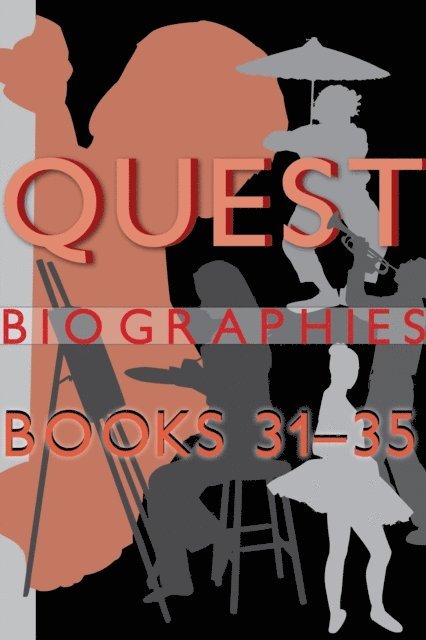
Quest Biographies Bundle - Books 31-35
Harriet Tubman / Laura Secord / Joey Smallwood / Prince Edward, Duke of Kent / John A. Macdonald
Av Ged Martin, Ray Argyle m. fl.
E-bok, 2013
310 kr
Lägg i varukorg
Presenting five titles in the Quest Biography series that profiles prominent figures in Canada’s history. The important Canadian lives detailed here are: legendary Underground Railroad leader Harriet Tubman; Laura Secord, heroine of the War of 1812; Newfoundland politician Joey Smallwood, the final …
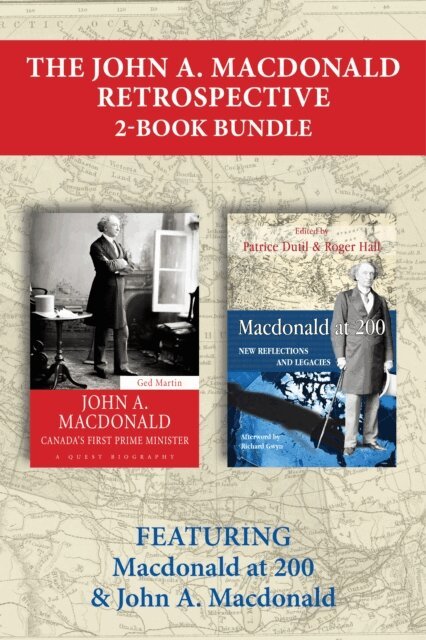
John A. Macdonald Retrospective 2-Book Bundle
Macdonald at 200 / John A. Macdonald
Av Ged Martin, Roger Hall m. fl.
E-bok, 2014
141 kr
Lägg i varukorg
This special 2-book bundle contains a number of perspectives on a man who was arguably Canada's most famous political leader, a figure of legendary proportions in the history of Canada's birth and development. Ged Martin's biography tells Macdonald's story. Shocked by Canada's 1837 rebellions, …