
Geoff Lunn – författare
Visar alla böcker från författaren Geoff Lunn. Handla med fri frakt och snabb leverans.
3 produkter
3 produkter
152 kr
Tillfälligt slut
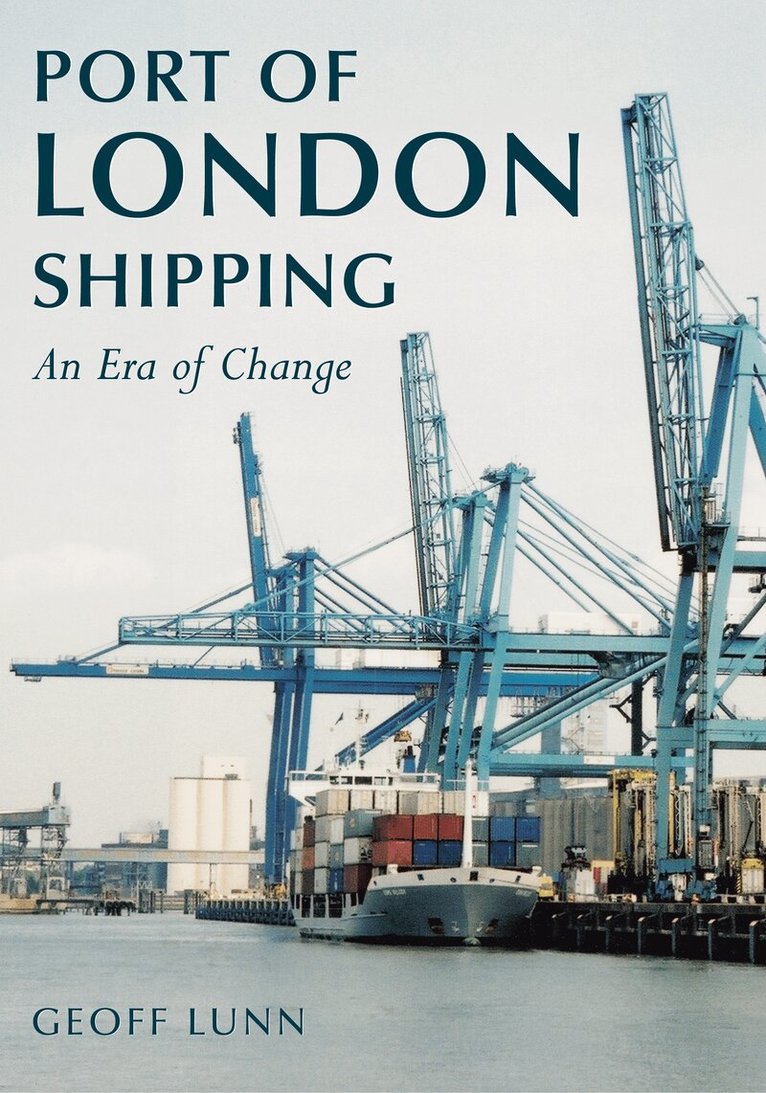
With its vast system of enclosed docks and one and a half thousand working wharves, London was once the world's greatest port. Ships arrived from far and near, at the rate of 1,000 movements each week, requiring a workforce of 100,000. A revolution in cargo handling led to radical changes in the size and design of ships and London's port would never be the same again: most of the docks and wharves closed for business; the shipping scene moving downriver where new larger ships could berth; upriver quaysides were re-invented as locations for expensive commercial and residential properties.This book takes the reader on a fascinating journey through a period of change from the latter years of London's docks up to the present day. With its wealth of illustrations, it demonstrates how the Port of London has re-emerged as a premier British port, equipped to handle the most sophisticated modern ship, with further expansion planned. Recent decades have been a memorable era for everyone connected with the port.
177 kr
Skickas inom 11-20 vardagar
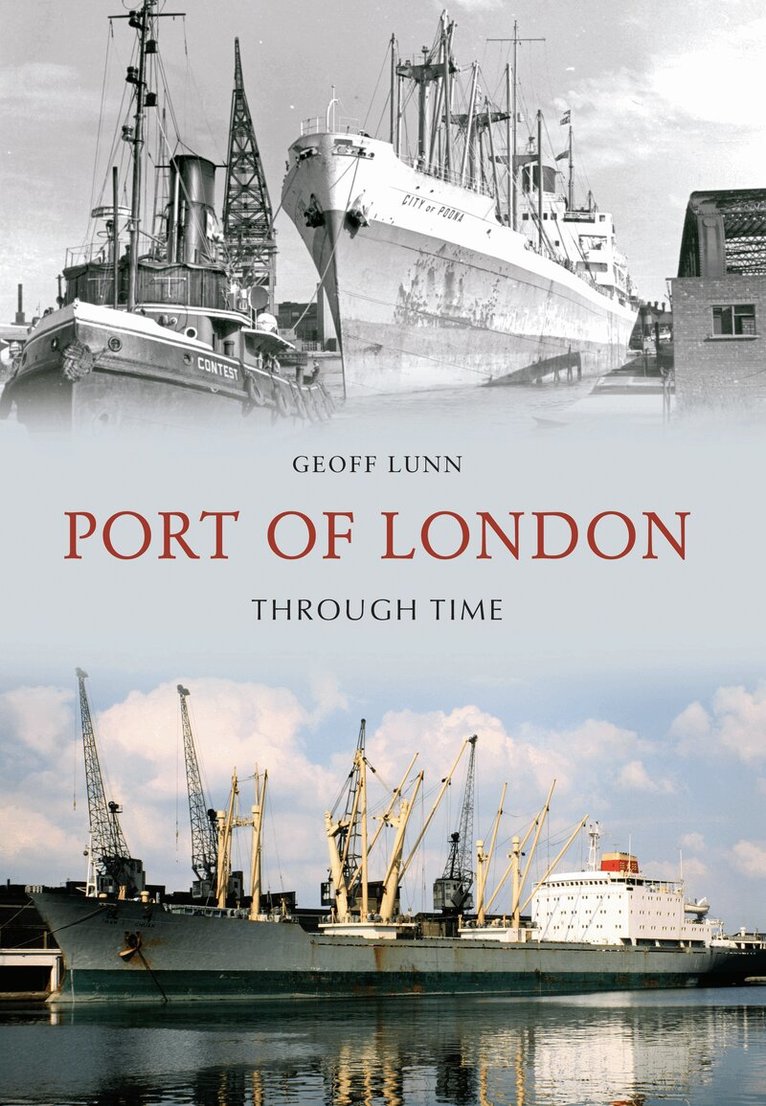
Until the middle of the twentieth century, the Port of London was the busiest in the world. A long, slow decline set in, as ships grew larger and numerous seamen's strikes and the advent of containerisation decimated the docks. Everything moved downriver and the Port of Tilbury grew to cope with the demand, while the docks in London itself declined and were closed. Some have been filled in, others converted to other uses, with London City Airport and Canary Wharf being built on converted docklands. Geoff Lunn tells the story of the Port of London, from the Pool of London to Tilbury and Gravesend, using a combination of images, both old and modern. Inside are views of the redevelopment and changing face of the docklands areas.
168 kr
Tillfälligt slut
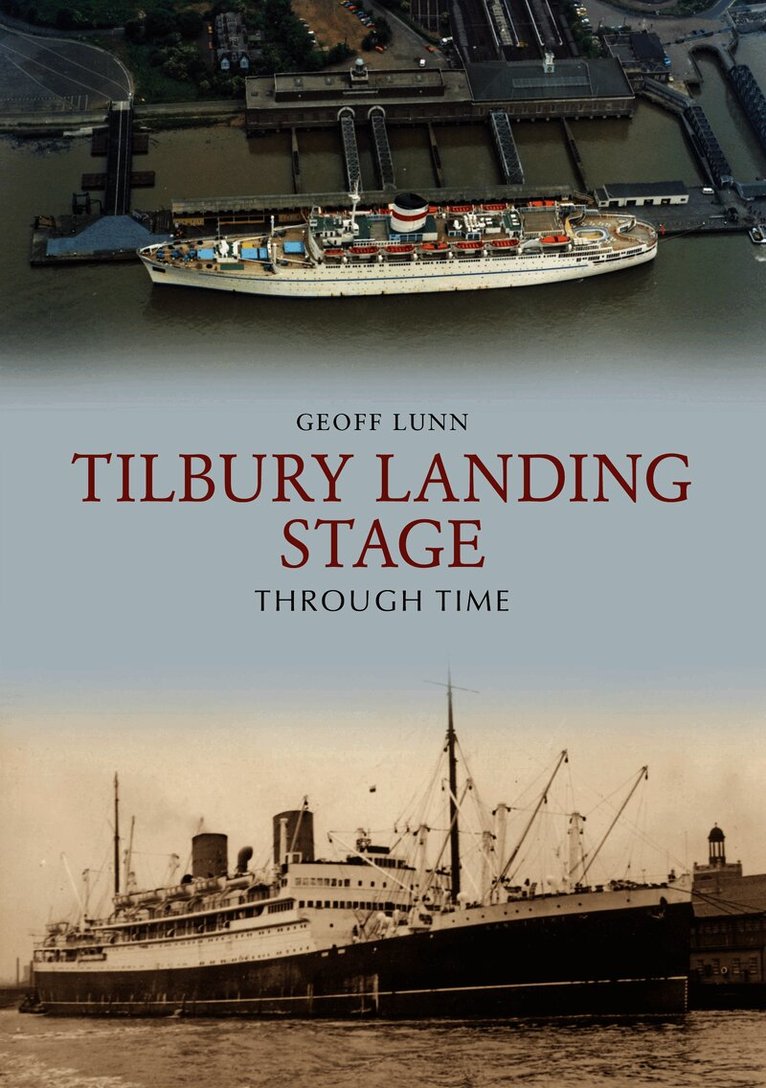
Located on the north bank of the River Thames opposite Gravesend, with which there has been a ferry link for centuries, Tilbury Landing Stage is a fine vantage point for viewing shipping passing to and from upriver berths.Ever since it opened in 1930 it has been the Port of London’s main passenger terminal. For many years it was the farewell point for thousands of migrants leaving Britain for Australia. Later, as liner travel changed to cruising, it was regularly used by Soviet-owned passenger ships.To meet the new demands of cruising the passenger facility was upgraded and is now known as the London Cruise Terminal, handling a number of cruise ships each year.Geoff Lunn takes a photographic journey through the history of Tilbury Landing Stage, describing the passenger ships and various other ships that have berthed there and those that have passed close by.