Geoffrey Turnovsky – författare
Visar alla böcker från författaren Geoffrey Turnovsky. Handla med fri frakt och snabb leverans.
4 produkter
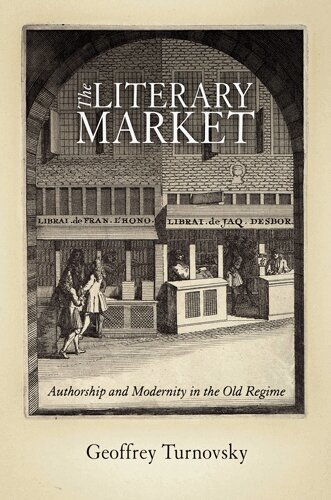
Literary Market
Authorship and Modernity in the Old Regime
E-bok, 2011
1125 kr
Lägg i varukorg
A central theme in the history of Old Regime authorship highlights the opportunities offered by a growing book trade to writers seeking to free themselves from patrons and live "by the pen." Accounts of this passage from patronage to market have explored in far greater detail the opportunities …
Literary Market
Authorship and Modernity in the Old Regime
Inbunden, 2009
915 kr
Lägg i varukorg
A central theme in the history of Old Regime authorship highlights the opportunities offered by a growing book trade to writers seeking to free themselves from patrons and live "by the pen." Accounts of this passage from patronage to market have explored in far greater detail the opportunities …
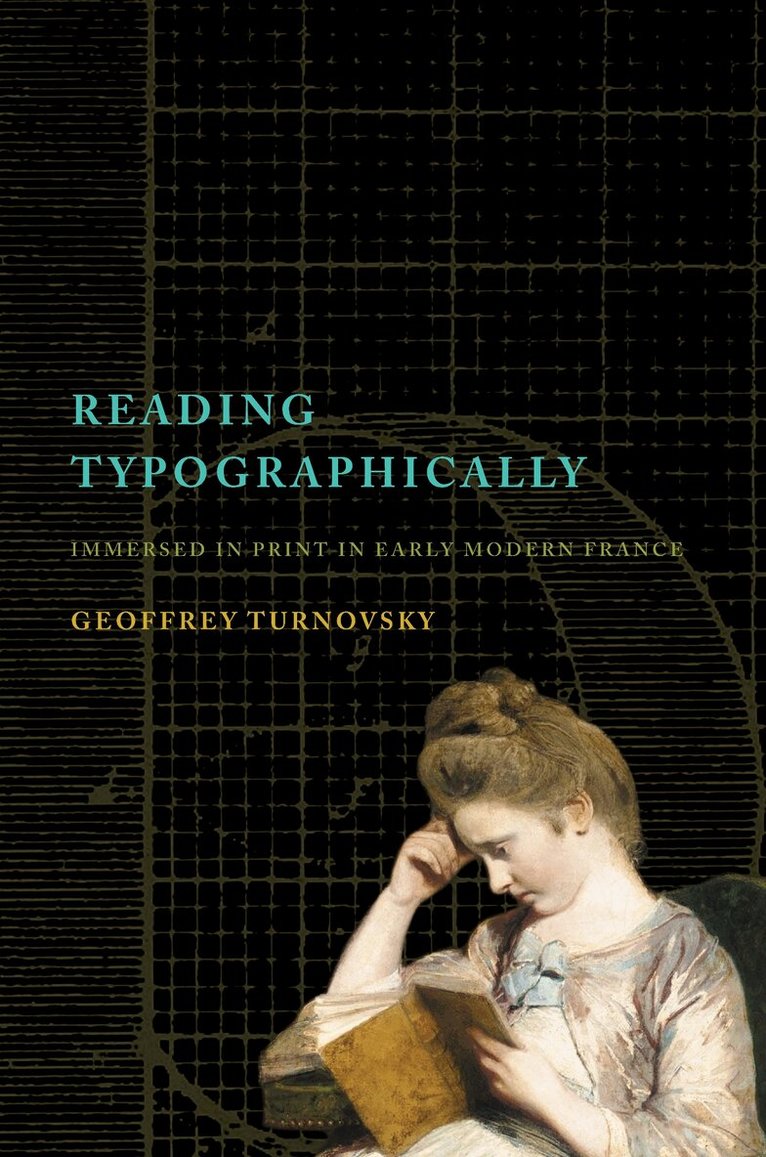
Reading Typographically
Immersed in Print in Early Modern France
Inbunden, 2024
906 kr
Lägg i varukorg
Anxieties about the fate of reading in the digital age reveal how deeply our views of the moral and intellectual benefits of reading are tied to print. These views take root in a conception of reading as an immersive activity, exemplified by the experience of "losing oneself in a book." Against the …
Reading Typographically
Immersed in Print in Early Modern France
E-bok, 2024
1249 kr
Lägg i varukorg
Anxieties about the fate of reading in the digital age reveal how deeply our views of the moral and intellectual benefits of reading are tied to print. These views take root in a conception of reading as an immersive activity, exemplified by the experience of "losing oneself in a book." Against the …