George Beam – författare
Visar alla böcker från författaren George Beam. Handla med fri frakt och snabb leverans.
6 produkter
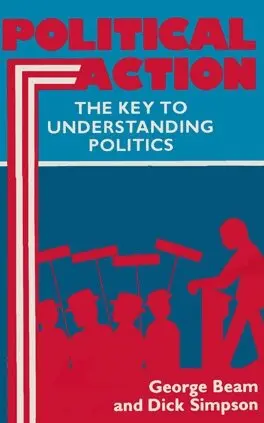
Political Action
Key to Understanding Politics
Häftad, 1984
315 kr
Lägg i varukorg
Politics and the study of politics are at a watershed. They are deficient because they fail to respond to fundamental crises in our society, fail to incorporate new knowledge from other fields of study, and fail to allow citizens to function as mature human beings shaping their own destiny. …
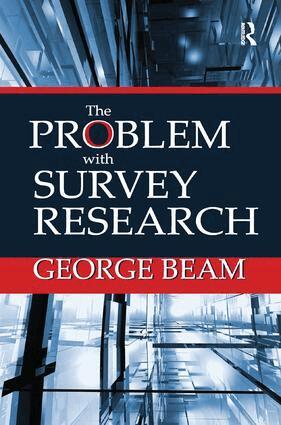
Problem with Survey Research
Av George Beam
Häftad, 2017
911 kr
Lägg i varukorg
The Problem with Survey Research makes a case against survey research as a primary source of reliable information. George Beam argues that all survey research instruments, all types of asking including polls, face-to-face interviews, and focus groups produce unreliable and potentially inaccurate …
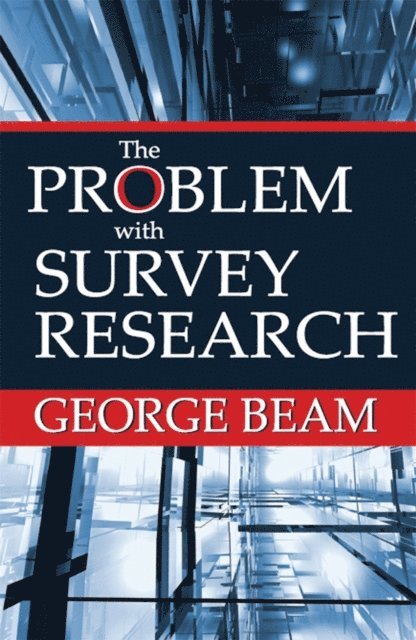
Problem with Survey Research
Av George Beam
E-bok, 2017
1028 kr
Lägg i varukorg
The Problem with Survey Research makes a case against survey research as a primary source of reliable information. George Beam argues that all survey research instruments, all types of asking-including polls, face-to-face interviews, and focus groups-produce unreliable and potentially inaccurate …
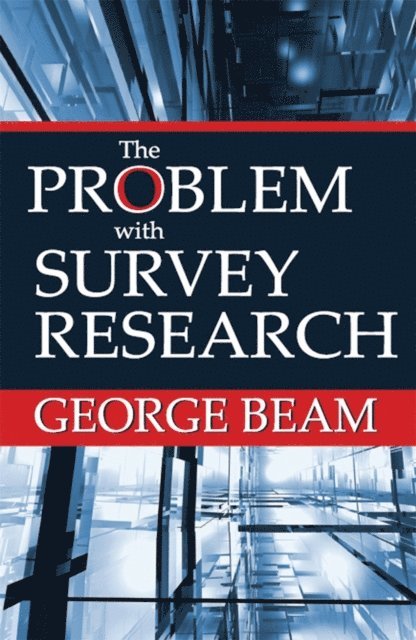
Problem with Survey Research
Av George Beam
E-bok, 2017
1058 kr
Lägg i varukorg
The Problem with Survey Research makes a case against survey research as a primary source of reliable information. George Beam argues that all survey research instruments, all types of asking-including polls, face-to-face interviews, and focus groups-produce unreliable and potentially inaccurate …
Problem with Survey Research
Av George Beam
Inbunden, 2012
2521 kr
Lägg i varukorg
The Problem with Survey Research makes a case against survey research as a primary source of reliable information. George Beam argues that all survey research instruments, all types of asking—including polls, face-to-face interviews, and focus groups—produce unreliable and potentially inaccurate …
Political Action
Key to Understanding Politics
Inbunden, 1984
568 kr
Tillfälligt slut
Politics and the study of politics are at a watershed. They are deficient because they fail to respond to fundamental crises in our society, fail to incorporate new knowledge from other fields of study, and fail to allow citizens to function as mature human beings shaping their own destiny. …