George Christie – författare
Visar alla böcker från författaren George Christie. Handla med fri frakt och snabb leverans.
10 produkter
Exile on Front Street
My Life as a Hells Angel
Häftad, 2017
136 kr
Lägg i varukorg
So many days I felt like a god, drunk with freedom and power, riding a motorcycle I’d crafted with my own two hands with that winged skull on my back. George Christie was president of the notorious Ventura charter of the Hells Angels for three decades. While Sonny Barger was the club’s reckless …
Exile on Front Street
My Life as a Hells Angel . . . and Beyond
Häftad, 2019
265 kr
Lägg i varukorg
A memoir of the Hells Angels motorcycle club from one of its most high-profile leaders. After forty years in the Hells Angels, George Christie was ready to retire. As president of the high-profile Ventura charter of the club, he had been the yin to Sonny Barger’s yang. Barger was the reckless …
Exile on Front Street
My Life as a Hells Angel . . . and Beyond
E-bok, 2016
187 kr
Lägg i varukorg
I hadn''t planned on writing a book when I quit the Hells Angels. After forty years in the Hells Angels, George Christie was ready to retire. As president of the high-profile Ventura charter of the club, he had been the yin to Sonny Barger’s yang. Barger was the reckless figurehead and de facto …
Exile on Front Street
My Life as a Hells Angel
E-bok, 2016
179 kr
Lägg i varukorg
So many days I felt like a god, drunk with freedom and power, riding a motorcycle I’d crafted with my own two hands with that winged skull on my back. George Christie was president of the notorious Ventura charter of the Hells Angels for three decades. While Sonny Barger was the club’s reckless …
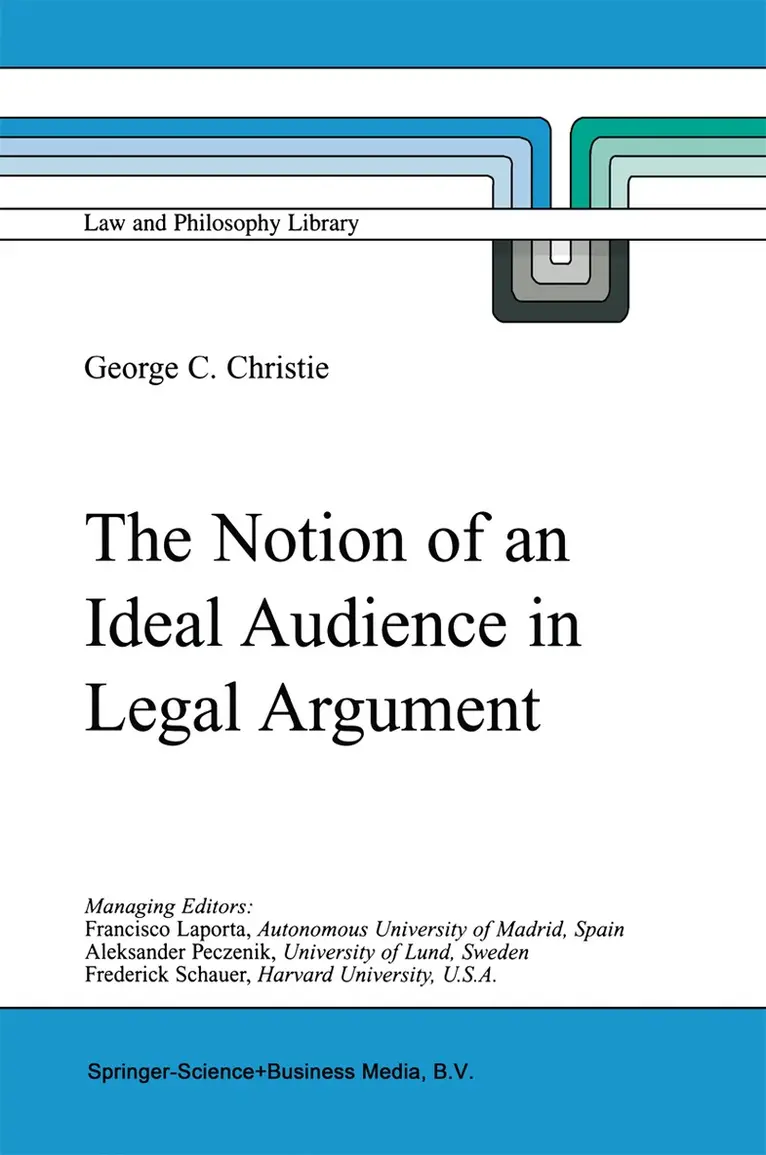
Notion of an Ideal Audience in Legal Argument
Inbunden, 2000
1008 kr
Lägg i varukorg
As the dedication ofthis book suggests, the genesis ofthis book arises from my association with Cha'im Perelman. Because I was one of the few Americans to comment on his TraUe de l' argumentation: la nouvelle rhetorique, before it was translated into English, I was invited to a conference …
VIRTUOSOS DE LAS VENTAS
Solo las ventas traen dinero, todo lo demás gasta dinero.
E-bok, 2022
65 kr
Lägg i varukorg
Este es un libro para los vendedores responsables que, para cerrar una venta, se aseguran de que el cliente consiga lo que busca. Pero no a como dé lugar, porque… ¡vender a como dé lugar no es vender en absoluto!Las ventas son una actividad en constante cambio, y cualquiera que se dedique a ellas …
Notion of an Ideal Audience in Legal Argument
Häftad, 2010
1093 kr
Lägg i varukorg
As the dedication ofthis book suggests, the genesis ofthis book arises from my association with Cha'im Perelman. Because I was one of the few Americans to comment on his TraUe de l' argumentation: la nouvelle rhetorique, before it was translated into English, I was invited to a conference …
Notion of an Ideal Audience in Legal Argument
E-bok, 2012
1313 kr
Lägg i varukorg
As the dedication ofthis book suggests, the genesis ofthis book arises from my association with Cha''im Perelman. Because I was one of the few Americans to comment on his TraUe de l'' argumentation: la nouvelle rhetorique, before it was translated into English, I was invited to a conference …
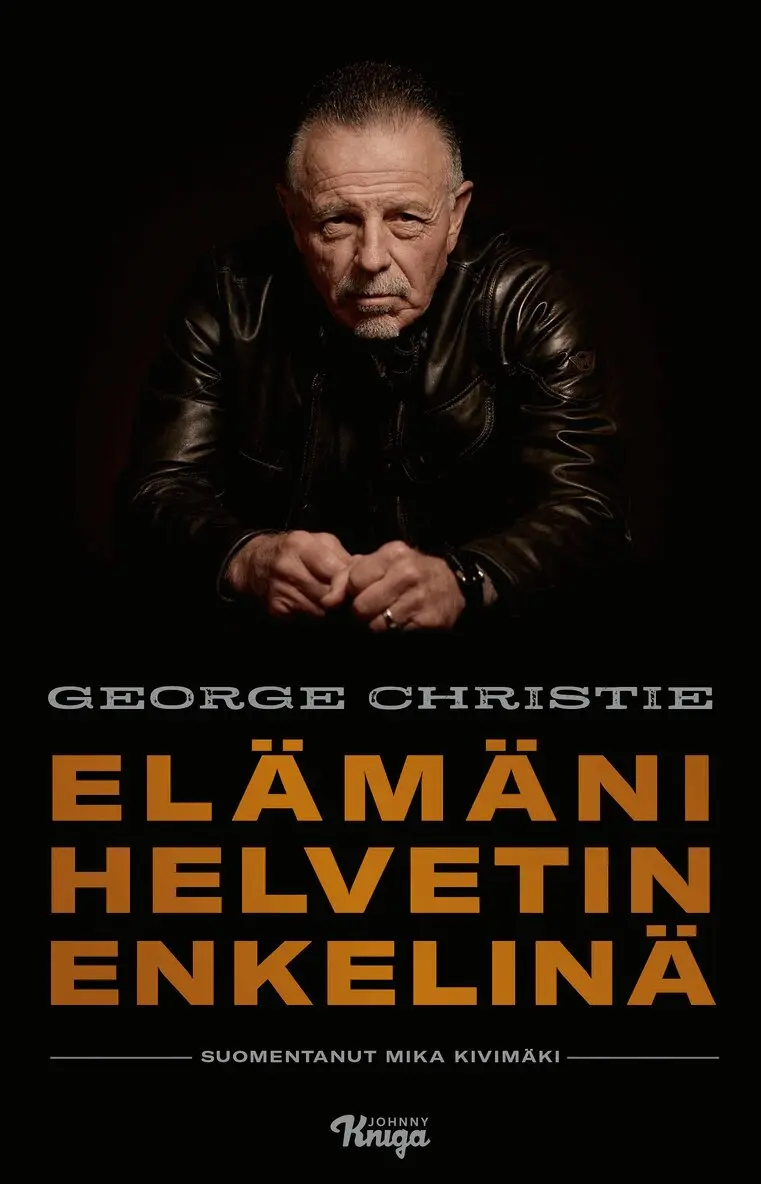
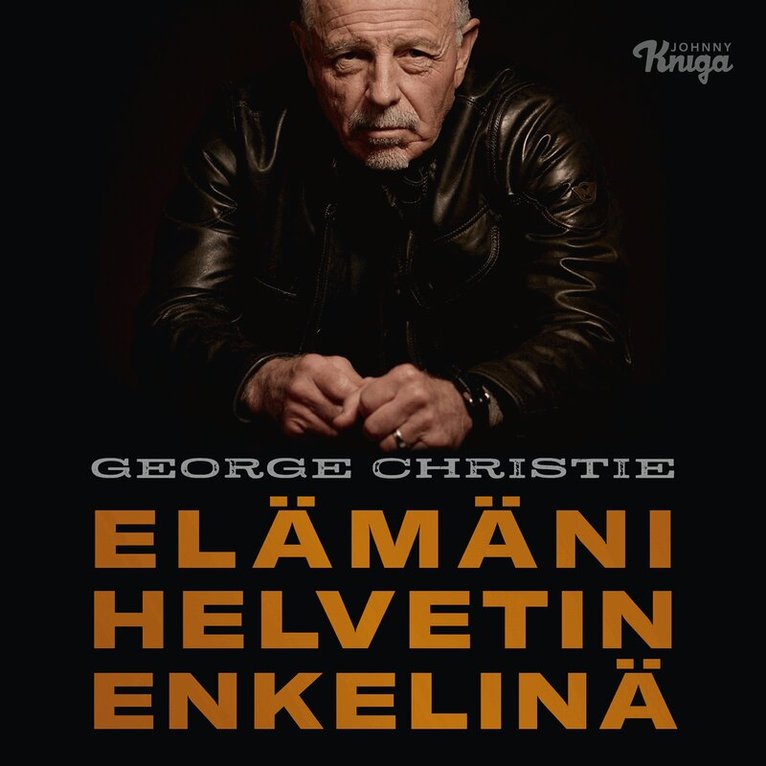
Elämäni Helvetin enkelinä
E-bok, 2025
169 kr
Lägg i varukorg
Hurja matka Enkeleiden kakkosmieheksi. Kuinka armeijan virkamies päätyi Helvetin enkeliksi ja lopulta lainkuuliaiseksi perheenisäksi. Elämäni Helvetin enkelinä kertoo entisestä merijalkaväen sotilaasta, joka luopui mukavasta työstään puolustusministeriössä ja vannoi uskollisuutta Hells Angelsille …
Elämäni Helvetin enkelinä
Ljudbok, 2025
201 kr
Lägg i varukorg
Hurja matka Enkeleiden kakkosmieheksi. Kuinka armeijan virkamies päätyi Helvetin enkeliksi ja lopulta lainkuuliaiseksi perheenisäksi. Elämäni Helvetin enkelinä kertoo entisestä merijalkaväen sotilaasta, joka luopui mukavasta työstään puolustusministeriössä ja vannoi uskollisuutta Hells Angelsille …