George Colpitts - Böcker
Visar alla böcker från författaren George Colpitts. Handla med fri frakt och snabb leverans.
6 produkter
6 produkter
1 142 kr
Skickas inom 7-10 vardagar
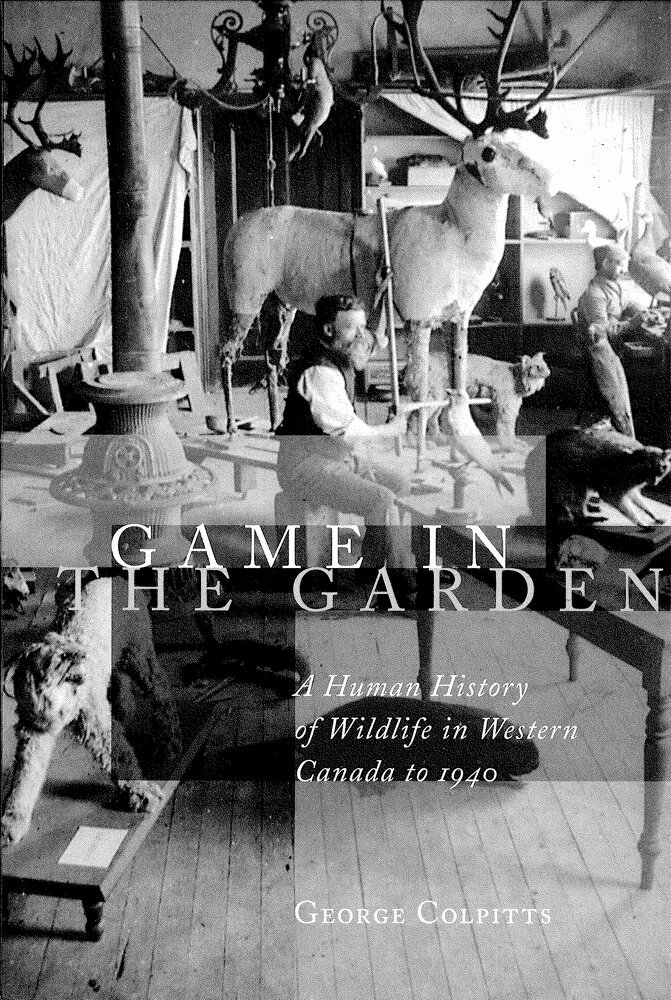
Frontier and pioneer societies provide numerous unexplored avenues of social history. Game in the Garden identifies the imaginative use of wild animals in early western society. In what is now western Canada, humans have long used wildlife in order to survive their surroundings, better understand their natural world, and form aspects of their identity.The shared use of wild animals has helped to determine social relations between Native peoples and newcomers. In later settlement periods, controversy about subsistence hunting and campaigns of local conservation associations drew lines between groups in communities, particularly Native peoples, immigrants, farmers, and urban dwellers. In addition to examining grassroots conservation activities, Colpitts identifies early slaughter rituals, iconographic traditions, and subsistence strategies that endured well into the interwar years in the twentieth century. Drawing primarily on local and provincial archival sources, he analyzes popular meanings and booster messages discernible in taxidermy work, city nature museums, and promotional photography.Environmental historians, Native studies specialists, history students, conservationists, nature enthusiasts, and general readers alike will find fascinating how western attitudes to wild animals changed according to subsistence and economic needs and how wildlife helped to determine the social relations among people in western Canada.
Pemmican Empire
Food, Trade, and the Last Bison Hunts in the North American Plains, 1780-1882
Inbunden, Engelska, 2014
1 119 kr
Skickas inom 7-10 vardagar
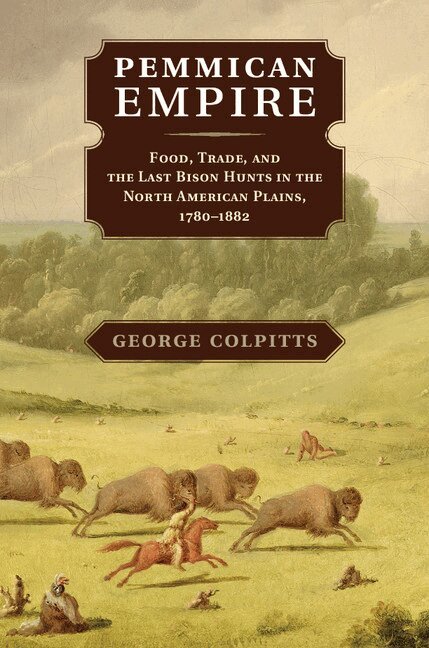
In the British territories of the North American Great Plains, food figured as a key trading commodity after 1780, when British and Canadian fur companies purchased ever-larger quantities of bison meats and fats (pemmican) from plains hunters to support their commercial expansion across the continent. Pemmican Empire traces the history of the unsustainable food-market hunt on the plains, which, once established, created distinctive trade relations between the newcomers and the native peoples. It resulted in the near annihilation of the Canadian bison herds north of the Missouri River. Drawing on fur company records and a broad range of Native American history accounts, Colpitts offers new perspectives on the market economy of the western prairie that was established during this time, one that created asymmetric power among traders and informed the bioregional history of the West where the North American bison became a food commodity hunted to nearly the last animal.
Pemmican Empire
Food, Trade, and the Last Bison Hunts in the North American Plains, 1780-1882
Häftad, Engelska, 2018
409 kr
Skickas inom 7-10 vardagar
In the British territories of the North American Great Plains, food figured as a key trading commodity after 1780, when British and Canadian fur companies purchased ever-larger quantities of bison meats and fats (pemmican) from plains hunters to support their commercial expansion across the continent. Pemmican Empire traces the history of the unsustainable food-market hunt on the plains, which, once established, created distinctive trade relations between the newcomers and the native peoples. It resulted in the near annihilation of the Canadian bison herds north of the Missouri River. Drawing on fur company records and a broad range of Native American history accounts, Colpitts offers new perspectives on the market economy of the western prairie that was established during this time, one that created asymmetric power among traders and informed the bioregional history of the West where the North American bison became a food commodity hunted to nearly the last animal.
Finding Directions West
Readings That Locate and Dislocate Western Canada's Past
Häftad, Engelska, 2017
377 kr
Skickas inom 10-15 vardagar
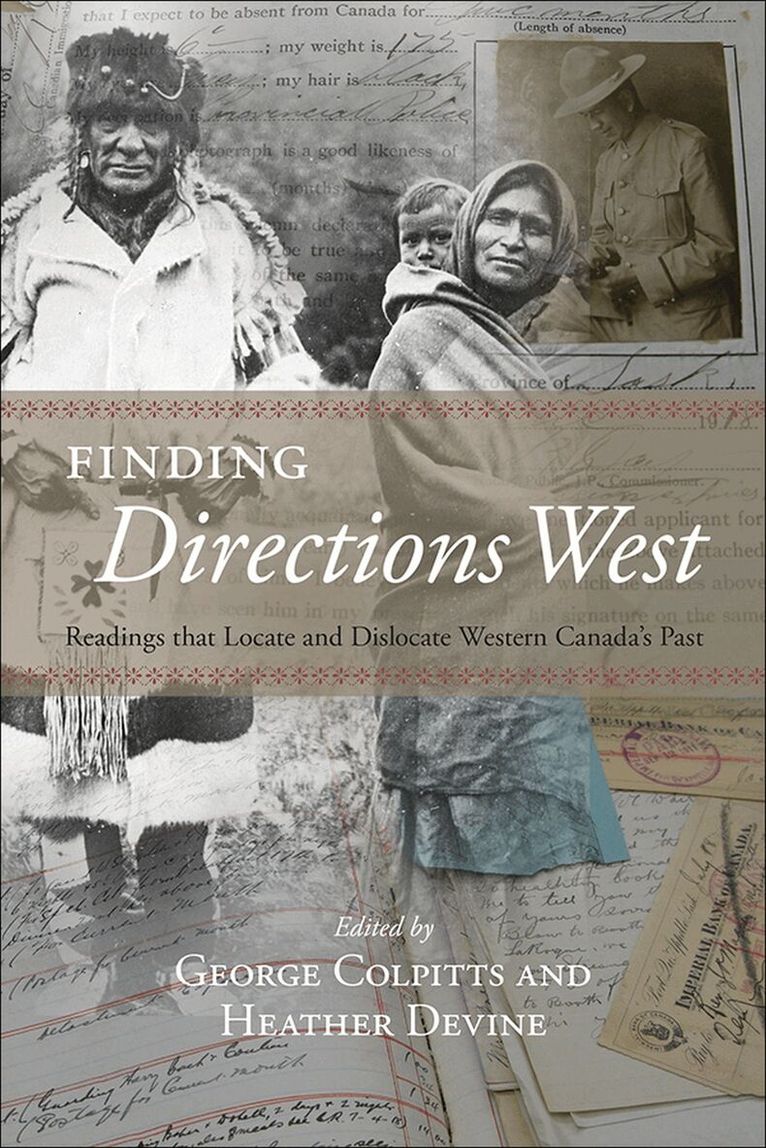
In the past, Western Canada was a place of new directions in human thought and action, migrations of the mind and body, and personal journeys. This book anthology brings together studies exploring the way the west served as a place of constant movement between places of spiritual, subsistence and aesthetic importance. The region, it would seem, gained its very life in the movement of its people. Finding Directions West: Readings that Locate and Dislocate Western Canada's Past, showcases new Western Canadian research on the places found and inhabited by indigenous people and newcomers, as well as their strategies to situate themselves, move on to new homes or change their environments to recreate the West in profoundly different ways. These studies range from the way indigenous people found representation in museum displays, to the archival home newcomers found for themselves: how, for instance, the LGBT community found a place, or not, in the historical record itself. Other studies examine the means by which Metis communities, finding the west transforming around them, turned to grassroots narratives and historical preservation in order to produce what is now appreciated as vernacular histories of inestimable value. In another study, the issues confronted by the Stoney Nakoda who found their home territory rapidly changing in the treaty and reserve era is examined: how Stoney connections to Indian agents and missionaries allowed them to pursue long-distance subsistence strategies into the pioneer era. The anthology includes an analysis of a lengthy travel diary of an English visitor to Depression-era Alberta, revealing how she perceived the region in a short government-sponsored inquiry. Other studies examine the ways women, themselves newcomers in pioneering society, evaluated new immigrants to the region and sought to extend, or not, the vote to them; and the ways early suffrage activists in Alberta and England by World War I developed key ideas when they cooperated in publicity work in Western Canada. Finding Directions West also includes a study on ranchers and how they initially sought to circumscribe their practices around large landholdings in periods of drought, to the architectural designs imported to places such as the Banff Centre that defied the natural geography of the Rocky Mountains. Too often, Western Canadian history is understood as a fixed, precisely mapped and authoritatively documented place. This anthology prompts readers to think differently about a region where ideas, people and communities were in a constant but energetic flux, and how newcomers converged into sometimes impermanent homes or moved on to new experiences to leave a significant legacy for the present-day.
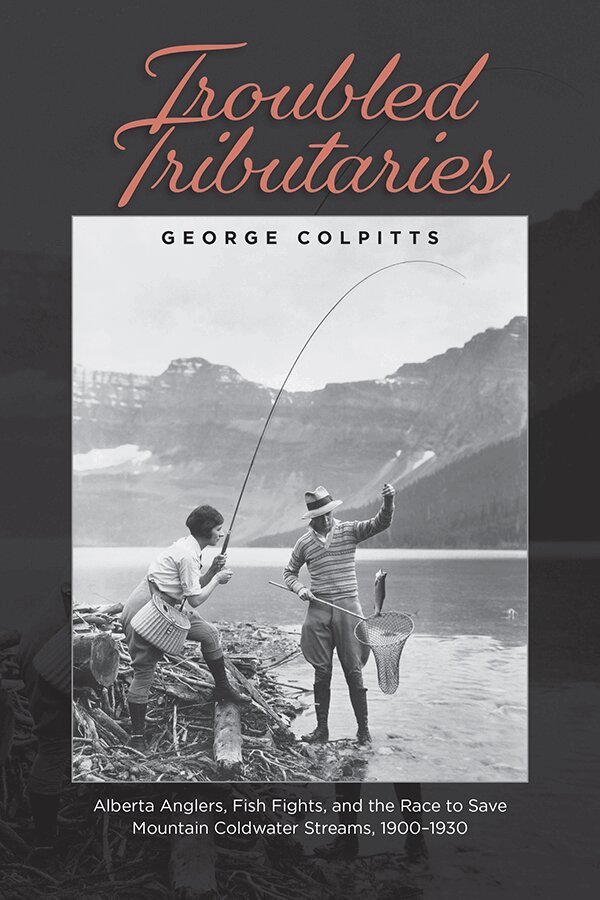
Troubled Tributaries
Alberta Anglers, Fish Fights, and the Race to Save Mountain Coldwater Streams, 1900 - 1930
Inbunden, Engelska, 2026
666 kr
Skickas inom 3-6 vardagar
Anglers knee-deep in Alberta's mountain streams after the First World War understood that there was something wrong. Coal mining, forestry, and irrigation were industrializing landscapes. Roads and railways brought unprecedented numbers of people to remote fishing grounds. Once home to abundant runs of cutthroat, mountain whitefish, and bull trout, the Bow, Highwood, and Oldman Rivers, and their many high mountain tributaries, were in crises.Up and down the Eastern Slopes, anglers rallied to defend their watersheds. The ensuing fish fights were not peaceful. Deep disagreement on tributary closures, open season dates, environmental protection, regulation and enforcement raged among fishers. But despite their disputed viewpoints, Alberta's anglers agreed to advocate fiercely for the conservation of their rivers and streams.Troubled Tributaries reveals for the first time the work—and the controversy—of fisheries conservation in the Eastern Slopes of Alberta's Rocky Mountains from 1900 to 1930. It is a story of passion and commitment, of the struggle to balance nature’s use and preservation, and of people coming together even when divergent viewpoints threatened to break them apart. This is the story of the first round in the great fight to save Alberta's western trout kingdoms.
Troubled Tributaries
Alberta Anglers, Fish Fights, and the Race to Save Mountain Coldwater Streams, 1900 - 1930
Häftad, Engelska, 2026
362 kr
Skickas inom 3-6 vardagar
Anglers knee-deep in Alberta's mountain streams after the First World War understood that there was something wrong. Coal mining, forestry, and irrigation were industrializing landscapes. Roads and railways brought unprecedented numbers of people to remote fishing grounds. Once home to abundant runs of cutthroat, mountain whitefish, and bull trout, the Bow, Highwood, and Oldman Rivers, and their many high mountain tributaries, were in crises.Up and down the Eastern Slopes, anglers rallied to defend their watersheds. The ensuing fish fights were not peaceful. Deep disagreement on tributary closures, open season dates, environmental protection, regulation and enforcement raged among fishers. But despite their disputed viewpoints, Alberta's anglers agreed to advocate fiercely for the conservation of their rivers and streams.Troubled Tributaries reveals for the first time the work—and the controversy—of fisheries conservation in the Eastern Slopes of Alberta's Rocky Mountains from 1900 to 1930. It is a story of passion and commitment, of the struggle to balance nature's use and preservation, and of people coming together even when divergent viewpoints threatened to break them apart. This is the story of the first round in the great fight to save Alberta's western trout kingdoms.