George M. Ibrahim – författare
Visar alla böcker från författaren George M. Ibrahim. Handla med fri frakt och snabb leverans.
3 produkter
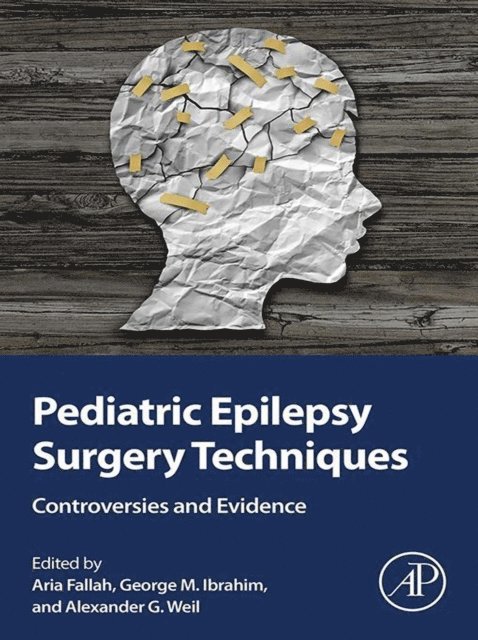
Pediatric Epilepsy Surgery Techniques
Controversies and Evidence
Av Aria Fallah, George M. Ibrahim m. fl.
Häftad, 2024
1572 kr
Lägg i varukorg
Pediatric Epilepsy Surgery Techniques: Controversies and Evidence offers clinicians a roadmap for navigating the complex decision-making process involved in selecting surgical interventions for children with drug-resistant epilepsy. Over the last decade, the landscape of pediatric epilepsy surgery …
Pediatric Epilepsy Surgery Techniques
Controversies and Evidence
Av Alexander G. Weil, George M. Ibrahim m. fl.
E-bok, 2024
1987 kr
Lägg i varukorg
Pediatric Epilepsy Surgery Techniques: Controversies and Evidence provides a roadmap for clinicians in addressing difficult decision-making by succinctly summarizing the evidence for surgical treatments in pediatric drug-resistant epilepsy. With the field of pediatric epilepsy surgery having …
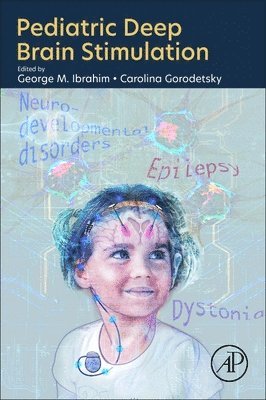
Pediatric Deep Brain Stimulation
Av George M. Ibrahim, Carolina Gorodetsky
Häftad, 2026
1709 kr
Kommande
Pediatric Deep Brain Stimulation offers the first comprehensive, multi-disciplinary exploration of this rapidly advancing field, providing clinicians with an authoritative guide to the science, practice, and future of pediatric neuromodulation. Organized into four integrated sections, the book …