George Scialabba - Böcker
Visar alla böcker från författaren George Scialabba. Handla med fri frakt och snabb leverans.
4 produkter
4 produkter
262 kr
Skickas inom 5-8 vardagar
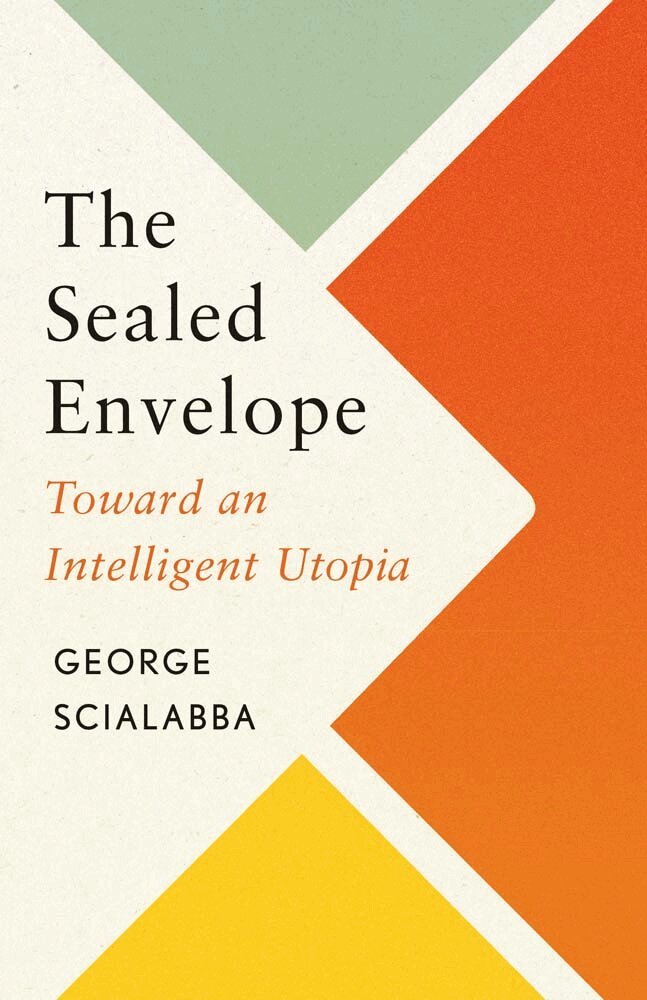
An award-winning author argues for the necessity of cultural critics and intellectuals to American democracy This incisive collection of essays investigates the moral imagination of modernism and our intellectual and political inheritance. George Scialabba offers a series of portraits of, and arguments with, American and European thinkers of the past hundred years, ranging from conservatives such as John Gray, William Buckley, and Jonathan Haidt to radicals such as Dwight Macdonald, Christopher Hitchens, and Bill McKibben.In our moment of democracy under siege, with intellectual work popularly derided as only for “elites,” Scialabba champions such thinkers as Richard Rorty, Barbara Ehrenreich, and Christopher Lasch, with their emphasis on democratic political culture and their faith in the capacities of ordinary people and the importance of intellectual work. This collection passes on these values “in a sealed envelope,” as Rilke says of love between selfish lovers, for future generations to use in crafting their own “intelligent utopia.”
348 kr
Skickas inom 10-15 vardagar
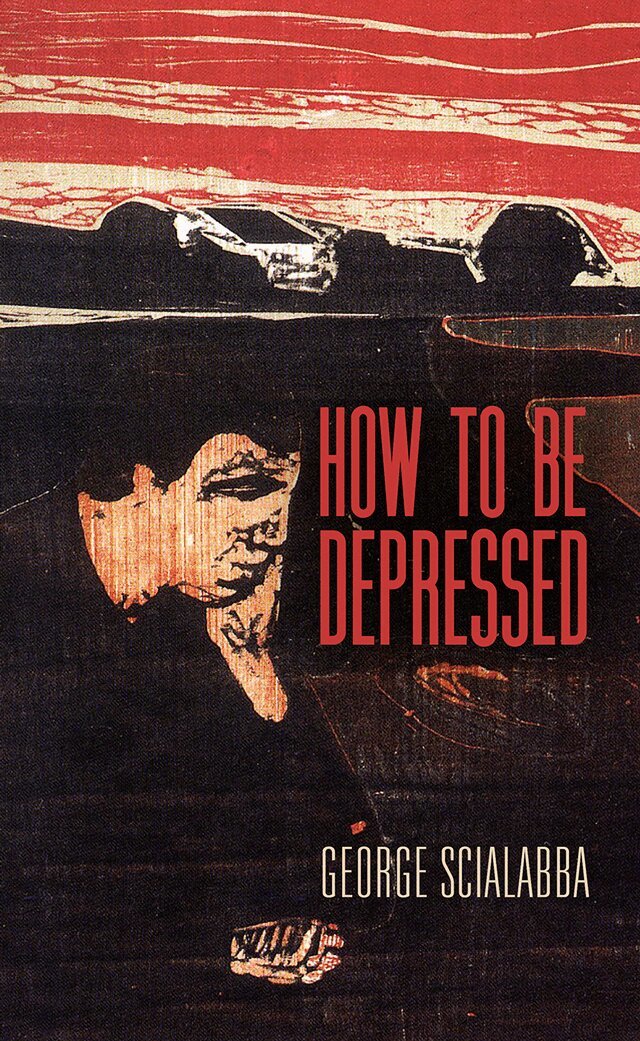
An unusual, searching, and poignant memoir of one man's quest to make sense of depressionGeorge Scialabba is a prolific critic and essayist known for his incisive, wide-ranging commentary on literature, philosophy, religion, and politics. He is also, like millions of others, a lifelong sufferer from clinical depression. In How To Be Depressed, Scialabba presents an edited selection of his mental health records spanning decades of treatment, framed by an introduction and an interview with renowned podcaster Christopher Lydon. The book also includes a wry and ruminative collection of "tips for the depressed," organized into something like a glossary of terms-among which are the names of numerous medications he has tried or researched over the years. Together, these texts form an unusual, searching, and poignant hybrid of essay and memoir, inviting readers into the hospital and the therapy office as Scialabba and his caregivers try to make sense of this baffling disease.In Scialabba's view, clinical depression amounts to an "utter waste." Unlike heart surgery or a broken leg, there is no relaxing convalescence and nothing to be learned (except, perhaps, who your friends are). It leaves you weakened and bewildered, unsure why you got sick or how you got well, praying that it never happens again but certain that it will. Scialabba documents his own struggles and draws from them insights that may prove useful to fellow-sufferers and general readers alike. In the place of dispensable banalities-"Hold on," "You will feel better," and so on-he offers an account of how it's been for him, in the hope that doing so might prove helpful to others.
111 kr
Skickas inom 5-8 vardagar
Christianity shaped the West, bringing conquest and religious strife but also the modern ideals of emancipation, human rights, and democracy. Now Christendom’s influence is waning, and many churches are seeing decline in membership. What happens if we lose the Christian teaching that each human being is made in the image of God, and that humankind, in all its diversity, is one whole. This issue of Plough looks at the social, political, and cultural implications, reminding readers that Jesus brought more than a religion and that this is not how his story ends.On this theme: Karen Kilby asks how Christians should respond to churches in decline.Galen Watts argues that modernity has replaced traditional religion with other gods.King-Ho Leung posits that Marx misunderstood Christianity.John Ehrett shows what right-wing politics looks like without Christian moorings.Gary Saul Morson recounts how Solzhenitsyn found faith in the gulag.Margarita Mooney found faith alive in Communist Cuba.Easton Law dispels some common myths about the church in China.Graham Tomlin recounts Blaise Pascal conversion from cultural Christian to true believer.Also in this issue: George Scialabba finds moral exemplars in George Eliot’s Middlemarch.Francis Young tells a story in which a mystical white reindeer appears.Chris Zimmerman interviews Israelis and Palestinians who have lost children to the conflict.Plough Quarterly features stories, ideas, and culture for people eager to apply their faith to the challenges we face. Each issue includes in-depth articles, interviews, poetry, book reviews, and art.
266 kr
Skickas inom 7-10 vardagar
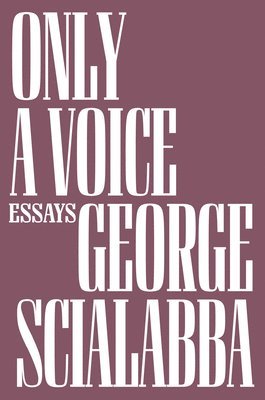
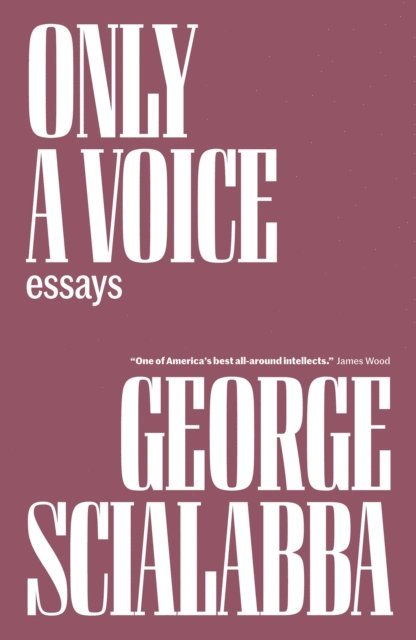
In Only a Voice, George Scialabba examines the chasm between modernity's promise of progress and the sobering reality of our present day through studies of the most influential public intellectuals of our time. In Scialabba's hands, literary criticism becomes a powerful tool for expressing political passion and demonstrating the generative power of argument and an inquisitive mind. Drawing together a diverse group of thinkers, artists, activists, and philosophers-including Edward Said, D. H. Lawrence, Pier Paolo Pasolini, Ellen Willis, and Noam Chomsky-Scialabba tours western intellectual history to find that no matter the stakes, critical thought remains a necessary precondition for politics.Every writer, Scialabba writes, faces the choice of whether "to tilt at the state and capital or ignore them" - and the world now is too dire not to choose the former.