George Yerby – författare
Visar alla böcker från författaren George Yerby. Handla med fri frakt och snabb leverans.
12 produkter
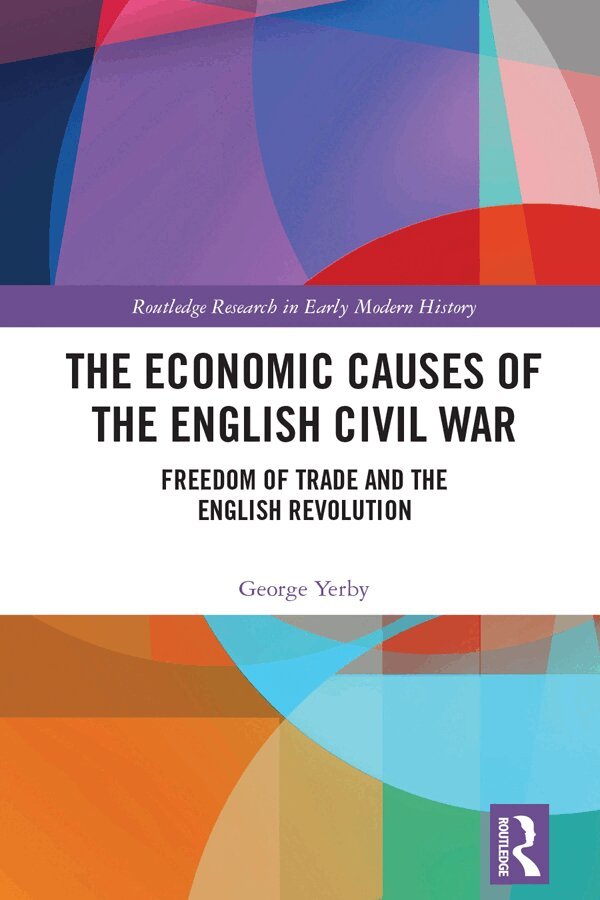
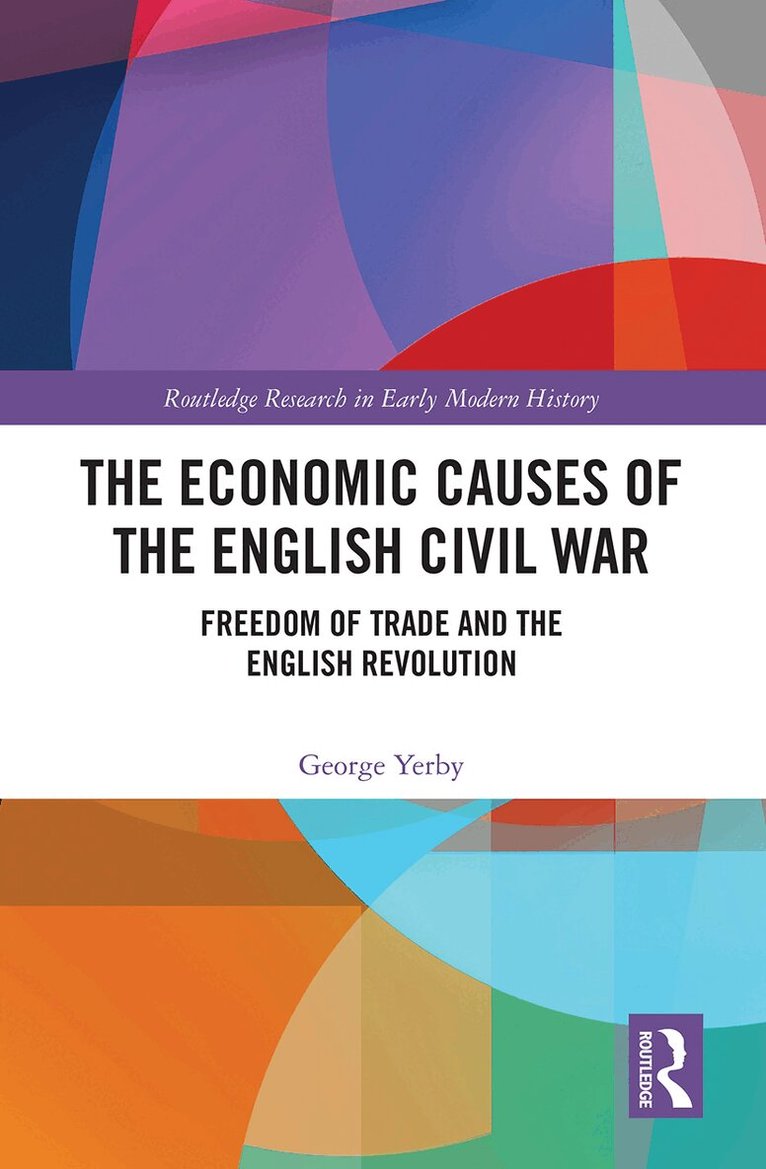
Economic Causes of the English Civil War
Freedom of Trade and the English Revolution
Av George Yerby
Inbunden, 2019
2578 kr
Lägg i varukorg
This is a coordinated presentation of the economic basis of revolutionary change in 16th- and early-17th century England, addressing a crucial but neglected phase of historical development. It traces a transformation in the agrarian economy and substantiates the decisive scale on which this took …
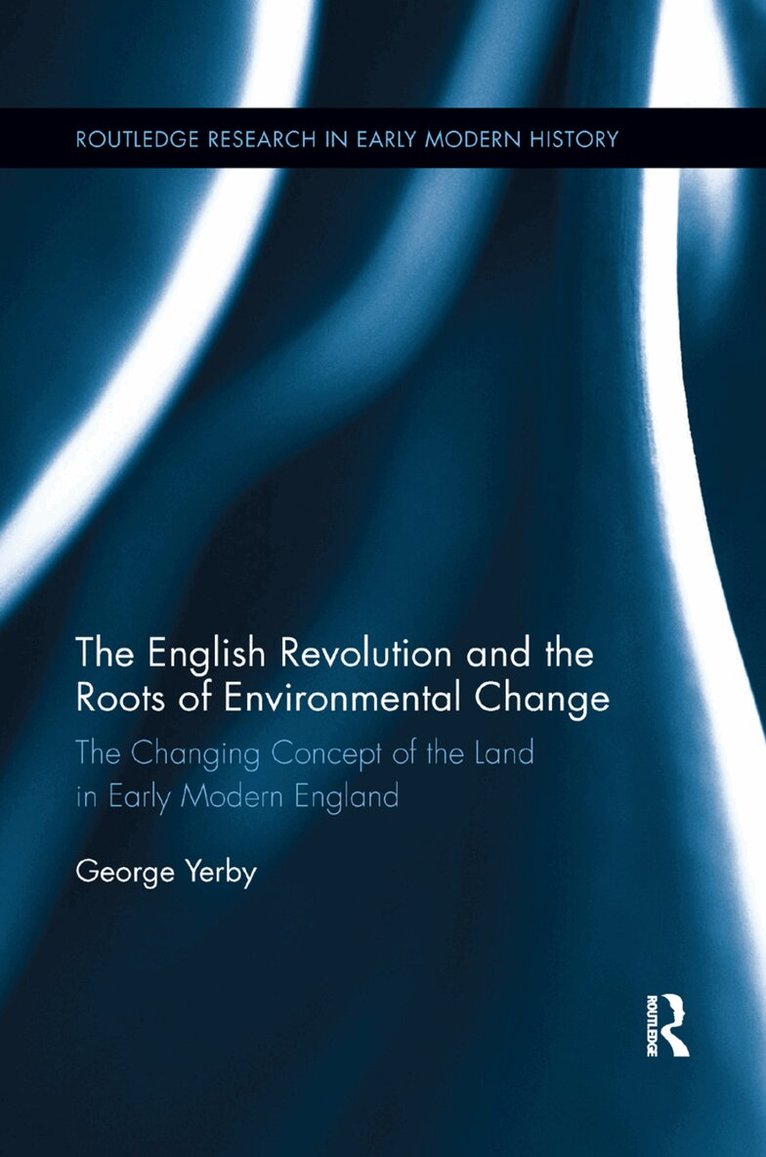
English Revolution and the Roots of Environmental Change
The Changing Concept of the Land in Early Modern England
Av George Yerby
Häftad, 2019
755 kr
Lägg i varukorg
This study brings a new perspective to a pivotal debate: the causes of the English Revolution. It pinpoints the economic motives behind the opposition to the crown, and shows their connection to the changing mind-set and political transitions of the time. Distinctively, it identifies the radicalism …
Economic Causes of the English Civil War
Freedom of Trade and the English Revolution
Av George Yerby
E-bok, 2019
838 kr
Lägg i varukorg
This is a coordinated presentation of the economic basis of revolutionary change in 16th- and early-17th century England, addressing a crucial but neglected phase of historical development. It traces a transformation in the agrarian economy and substantiates the decisive scale on which this took …
Economic Causes of the English Civil War
Freedom of Trade and the English Revolution
Av George Yerby
E-bok, 2019
856 kr
Lägg i varukorg
This is a coordinated presentation of the economic basis of revolutionary change in 16th- and early-17th century England, addressing a crucial but neglected phase of historical development. It traces a transformation in the agrarian economy and substantiates the decisive scale on which this took …
Economic Causes of the English Civil War
Freedom of Trade and the English Revolution
Av George Yerby
Häftad, 2021
725 kr
Lägg i varukorg
This is a coordinated presentation of the economic basis of revolutionary change in 16th- and early-17th century England, addressing a crucial but neglected phase of historical development. It traces a transformation in the agrarian economy and substantiates the decisive scale on which this took …
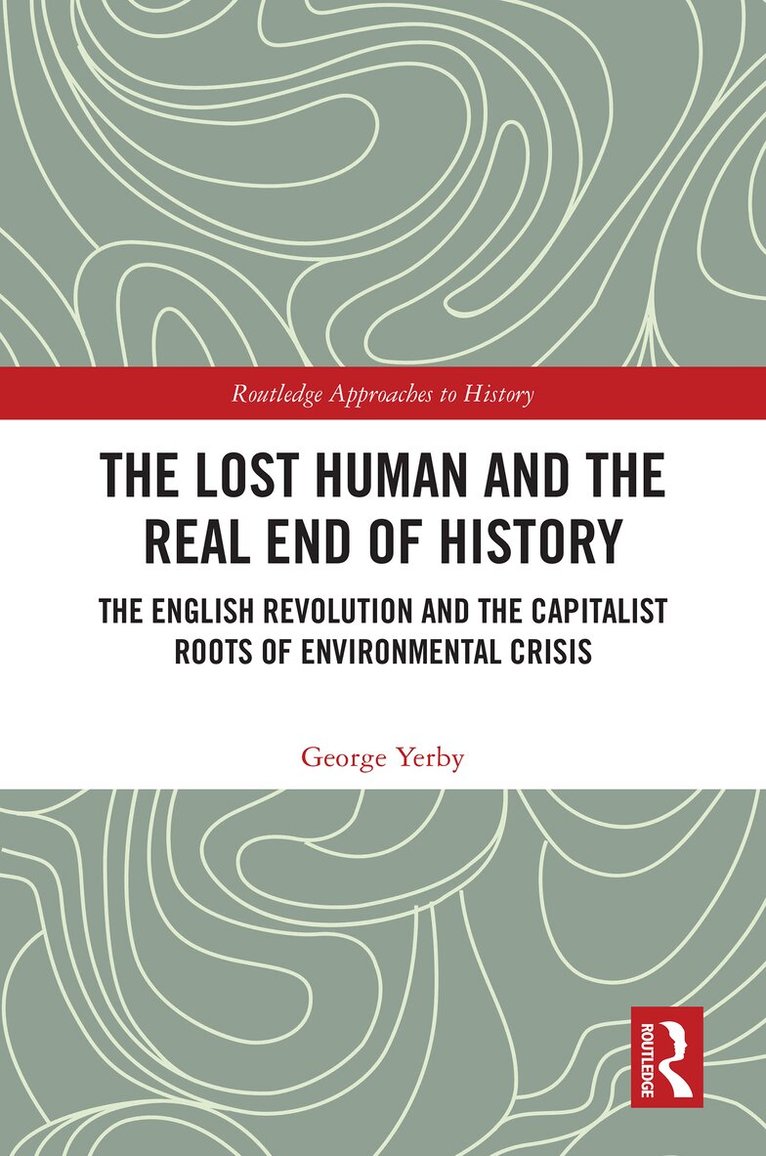
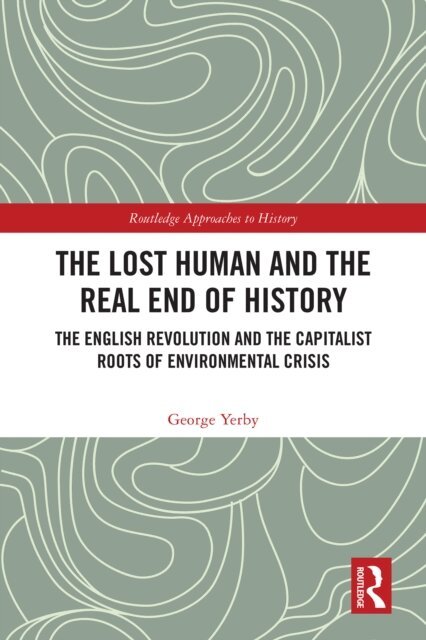
Lost Human and the Real End of History
The English Revolution and the Capitalist Roots of Environmental Crisis
Av George Yerby
Inbunden, 2025
2578 kr
Lägg i varukorg
This book analyses the transformation in 16th- and 17th- century English economic life that overturned the traditional restraints of the medieval economy for the commercial ethos that governs the modern world, and the resulting imbalance which opened the way to the environmental breakdown of …
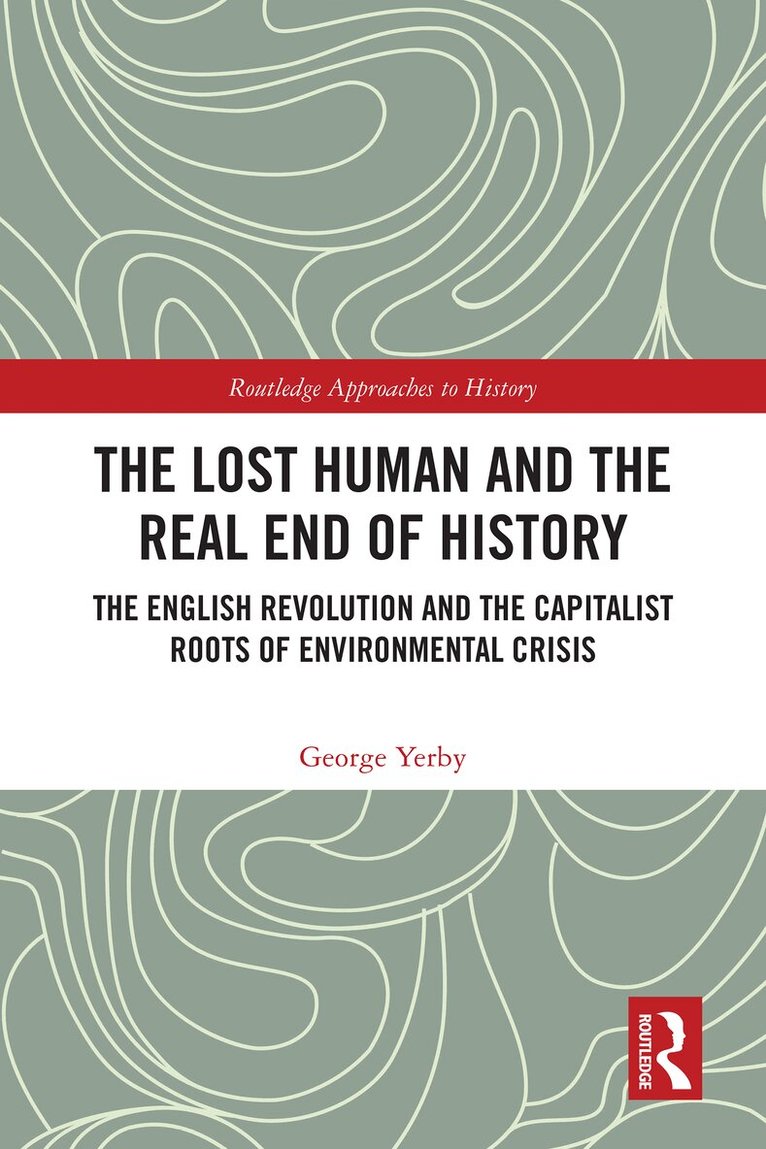
Lost Human and the Real End of History
The English Revolution and the Capitalist Roots of Environmental Crisis
Av George Yerby
Häftad, 2026
725 kr
Lägg i varukorg
This book analyses the transformation in 16th- and 17th- century English economic life that overturned the traditional restraints of the medieval economy for the commercial ethos that governs the modern world, and the resulting imbalance which opened the way to the environmental breakdown of …
Lost Human and the Real End of History
The English Revolution and the Capitalist Roots of Environmental Crisis
Av George Yerby
E-bok, 2025
856 kr
Lägg i varukorg
This book analyses the transformation in 16th- and 17th- century English economic life that overturned the traditional restraints of the medieval economy for the commercial ethos that governs the modern world, and the resulting imbalance which opened the way to the environmental breakdown of today. …
Lost Human and the Real End of History
The English Revolution and the Capitalist Roots of Environmental Crisis
Av George Yerby
E-bok, 2025
838 kr
Lägg i varukorg
This book analyses the transformation in 16th- and 17th- century English economic life that overturned the traditional restraints of the medieval economy for the commercial ethos that governs the modern world, and the resulting imbalance which opened the way to the environmental breakdown of today. …
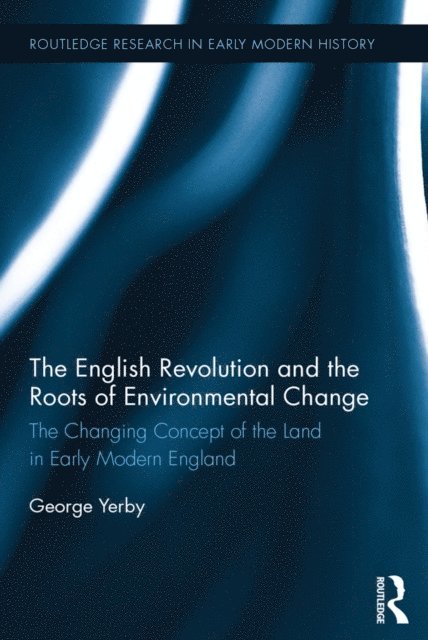
English Revolution and the Roots of Environmental Change
The Changing Concept of the Land in Early Modern England
Av George Yerby
Inbunden, 2015
2818 kr
Lägg i varukorg
This study brings a new perspective to a pivotal debate: the causes of the English Revolution. It pinpoints the economic motives behind the opposition to the crown, and shows their connection to the changing mind-set and political transitions of the time. Distinctively, it identifies the radicalism …
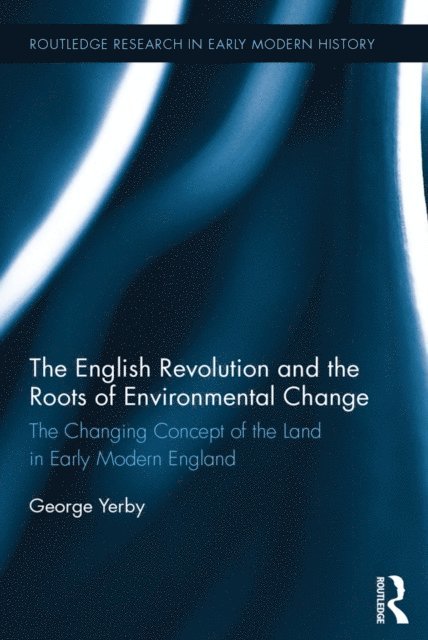
English Revolution and the Roots of Environmental Change
The Changing Concept of the Land in Early Modern England
Av George Yerby
E-bok, 2015
892 kr
Lägg i varukorg
This study brings a new perspective to a pivotal debate: the causes of the English Revolution. It pinpoints the economic motives behind the opposition to the crown, and shows their connection to the changing mind-set and political transitions of the time. Distinctively, it identifies the radicalism …
English Revolution and the Roots of Environmental Change
The Changing Concept of the Land in Early Modern England
Av George Yerby
E-bok, 2015
873 kr
Lägg i varukorg
This study brings a new perspective to a pivotal debate: the causes of the English Revolution. It pinpoints the economic motives behind the opposition to the crown, and shows their connection to the changing mind-set and political transitions of the time. Distinctively, it identifies the radicalism …