Georges Van Den Abbeele – författare
Visar alla böcker från författaren Georges Van Den Abbeele. Handla med fri frakt och snabb leverans.
6 produkter
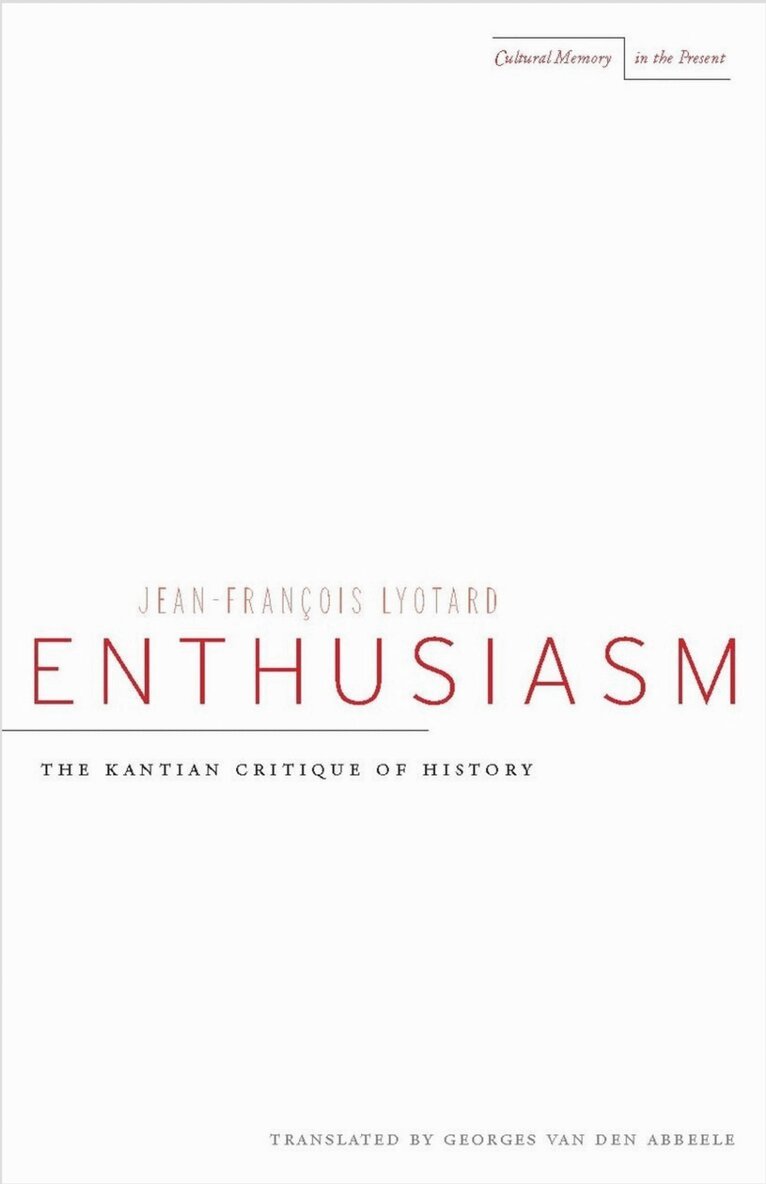
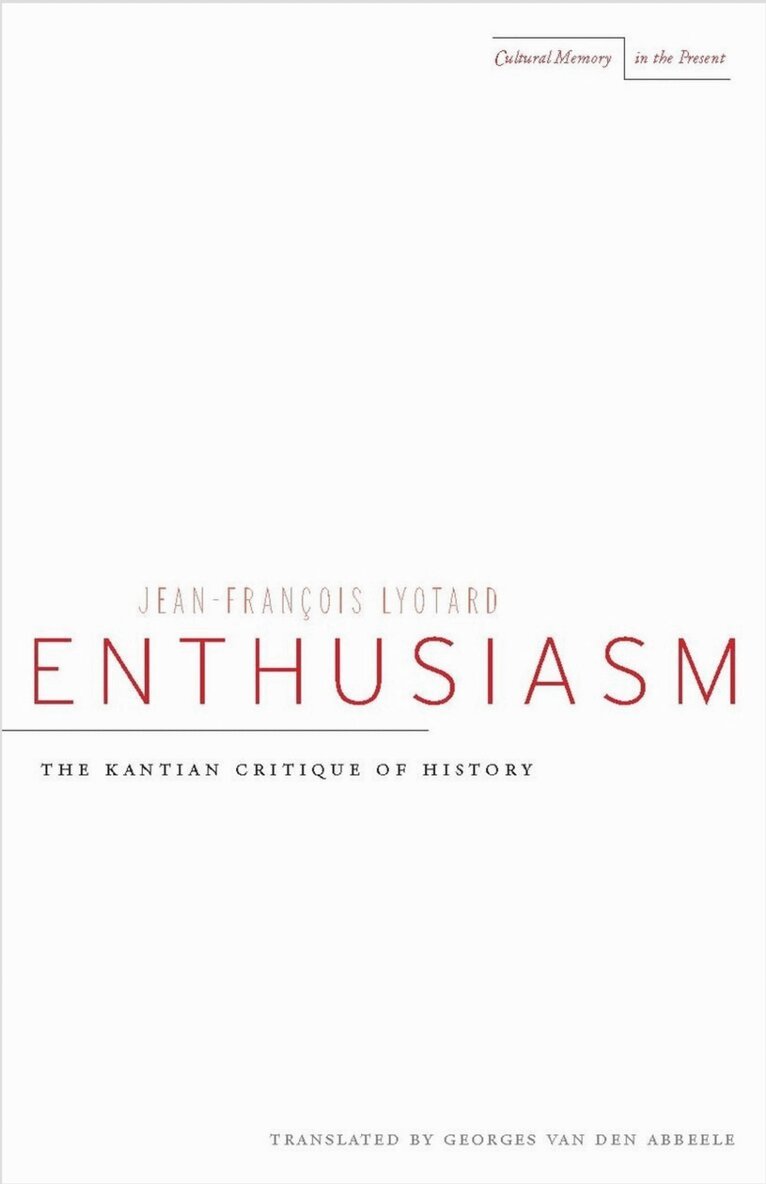
Enthusiasm
The Kantian Critique of History
Av Jean-François Lyotard, Georges Van Den Abbeele
Häftad, 2009
244 kr
Lägg i varukorg
Enthusiasm studies what Kant calls a "strong" sense of the sublime, not as an aesthetic feeling but as a form of political judgment rendered not by the active participants in historical events but those who witness them from afar. Lyotard's analysis, preparatory to his work in The Differend and …
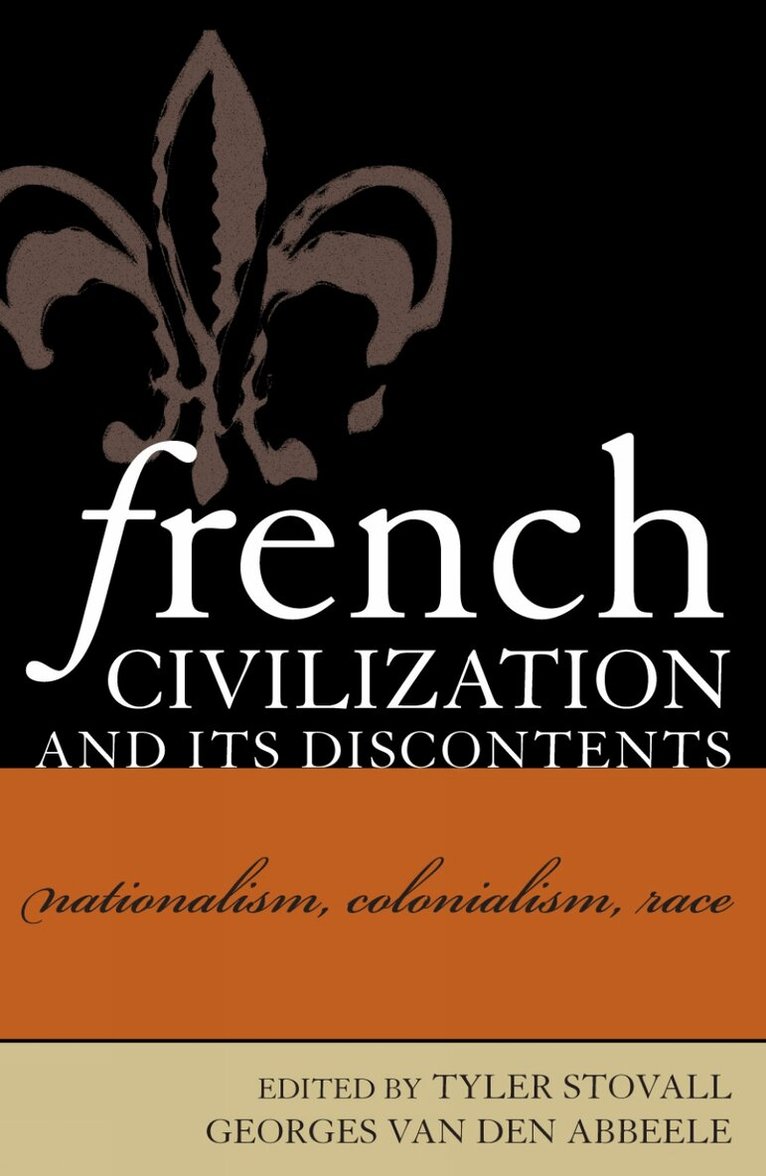
French Civilization and Its Discontents
Nationalism, Colonialism, Race
Av Tyler Stovall, Georges Van Den Abbeele
Häftad, 2003
613 kr
Lägg i varukorg
What happens when the study of French is no longer coterminous with the study of France? French Civilization and Its Discontents explores the ways in which considerations of difference, especially colonialism, postcolonialism, and race, have shaped French culture and French studies in the modern …
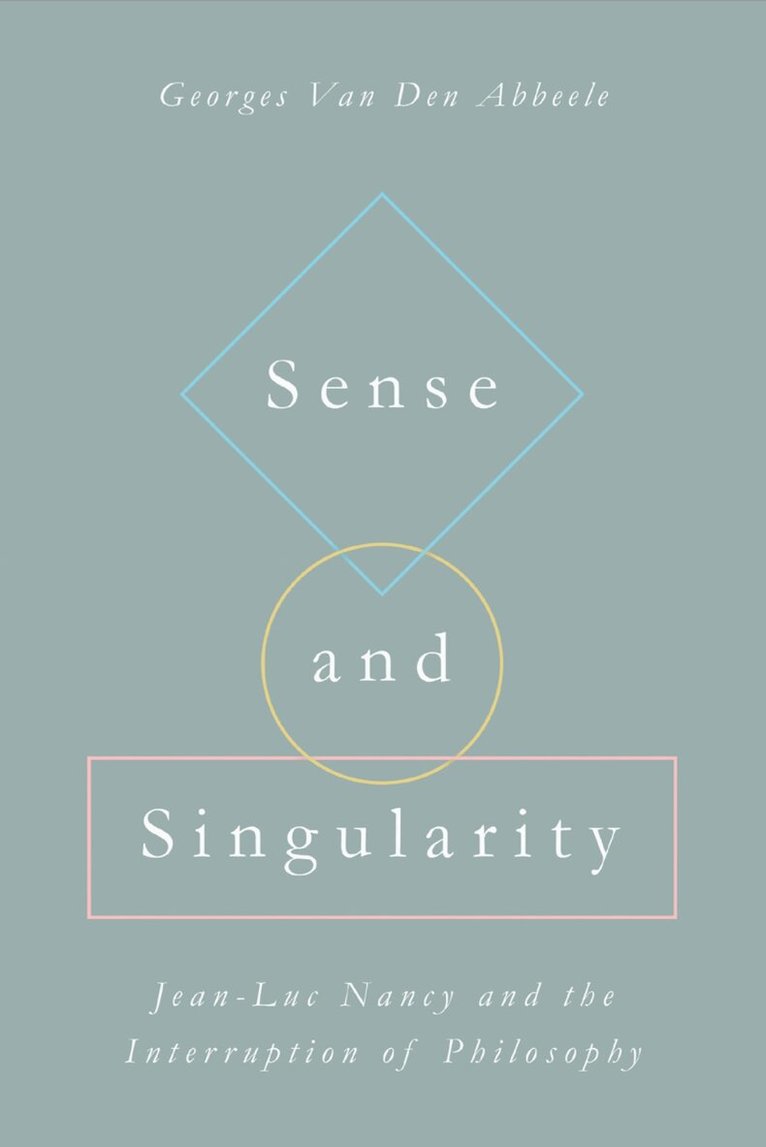
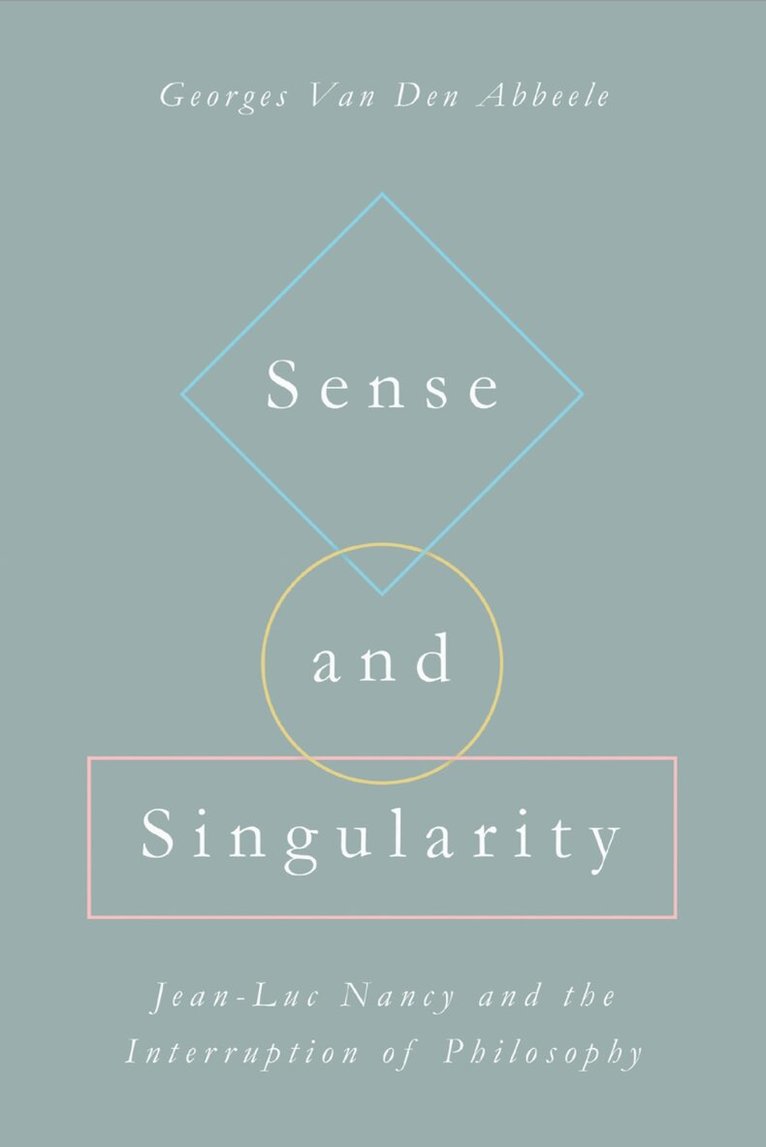
Sense and Singularity
Jean-Luc Nancy and the Interruption of Philosophy
Inbunden, 2023
1497 kr
Lägg i varukorg
Philosophical thinking is interrupted by the finitude of what cannot be named, on the one hand, and that within which it is subsumed as one of multiple modes of sense-making, on the other. Sense and Singularity elaborates Jean-Luc Nancy's philosophical project as an inquiry into the limits or …
Sense and Singularity
Jean-Luc Nancy and the Interruption of Philosophy
Häftad, 2023
441 kr
Lägg i varukorg
Philosophical thinking is interrupted by the finitude of what cannot be named, on the one hand, and that within which it is subsumed as one of multiple modes of sense-making, on the other. Sense and Singularity elaborates Jean-Luc Nancy's philosophical project as an inquiry into the limits or …
Enthusiasm
The Kantian Critique of History
Av Jean-François Lyotard, Georges Van Den Abbeele
Inbunden, 2009
1011 kr
Tillfälligt slut
Enthusiasm studies what Kant calls a "strong" sense of the sublime, not as an aesthetic feeling but as a form of political judgment rendered not by the active participants in historical events but those who witness them from afar. Lyotard's analysis, preparatory to his work in The Differend and …