Georgios Steiris – författare
Visar alla böcker från författaren Georgios Steiris. Handla med fri frakt och snabb leverans.
7 produkter
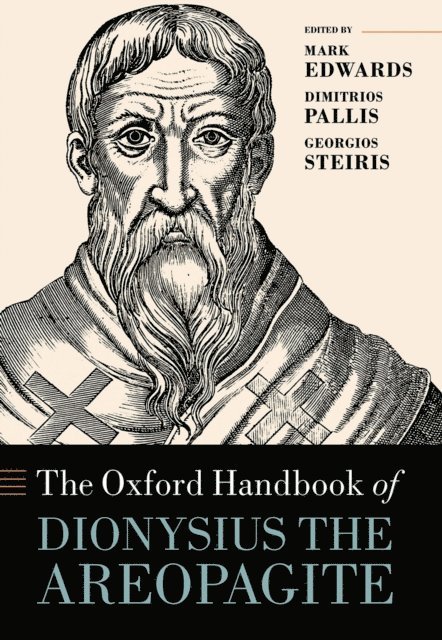
Oxford Handbook of Dionysius the Areopagite
Av Georgios Steiris, Dimitrios Pallis m. fl.
E-bok, 2022
1907 kr
Lägg i varukorg
This Handbook contains forty essays by an international team of experts on the antecedents, the content, and the reception of the Dionysian corpus, a body of writings falsely ascribed to Dionysius the Areopagite, a convert of St Paul, but actually written about 500 AD. The first section contains …
Oxford Handbook of Dionysius the Areopagite
Av Georgios Steiris, Dimitrios Pallis m. fl.
E-bok, 2022
1907 kr
Lägg i varukorg
This Handbook contains forty essays by an international team of experts on the antecedents, the content, and the reception of the Dionysian corpus, a body of writings falsely ascribed to Dionysius the Areopagite, a convert of St Paul, but actually written about 500 AD. The first section contains …
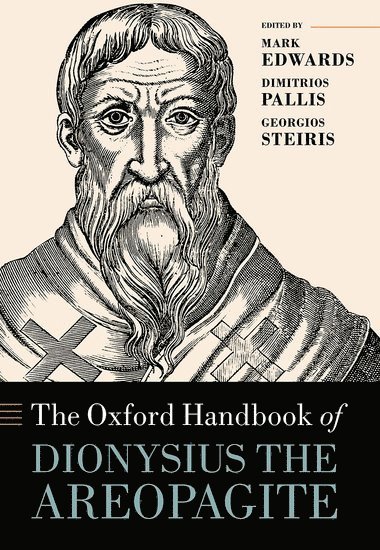
The Oxford Handbook of Dionysius the Areopagite
Av Mark Edwards, Dimitrios Pallis m. fl.
Inbunden, 2022
3139 kr
Lägg i varukorg
This Handbook contains forty essays by an international team of experts on the antecedents, the content, and the reception of the Dionysian corpus, a body of writings falsely ascribed to Dionysius the Areopagite, a convert of St Paul, but actually written about 500 AD. The first section contains …
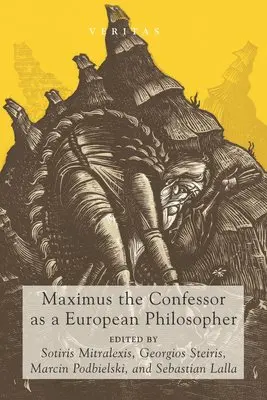
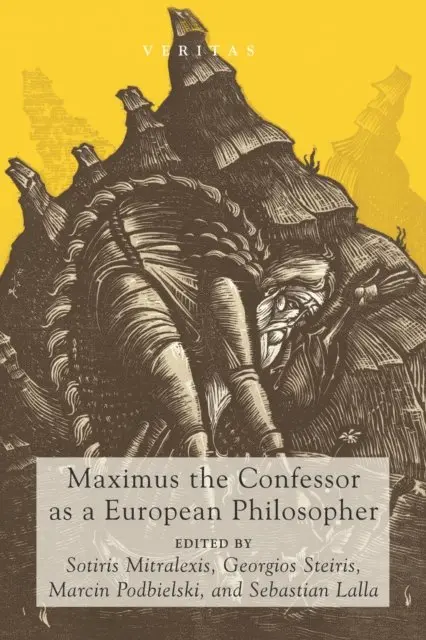
Maximus the Confessor as a European Philosopher
Av Sotiris Mitralexis, Georgios Steiris m. fl.
Häftad, 2017
433 kr
Lägg i varukorg
Maximus the Confessor as a European Philosopher
Av Sebastian Lalla, Marcin Podbielski m. fl.
E-bok, 2017
705 kr
Lägg i varukorg
The study of Maximus the Confessor''s thought has flourished in recent years: international conferences, publications and articles, new critical editions and translations mark a torrent of interest in the work and influence of perhaps the most sublime of the Byzantine Church Fathers. It has been …
Maximus the Confessor as a European Philosopher
Av Sotiris Mitralexis, Georgios Steiris m. fl.
Inbunden, 2017
651 kr
Lägg i varukorg
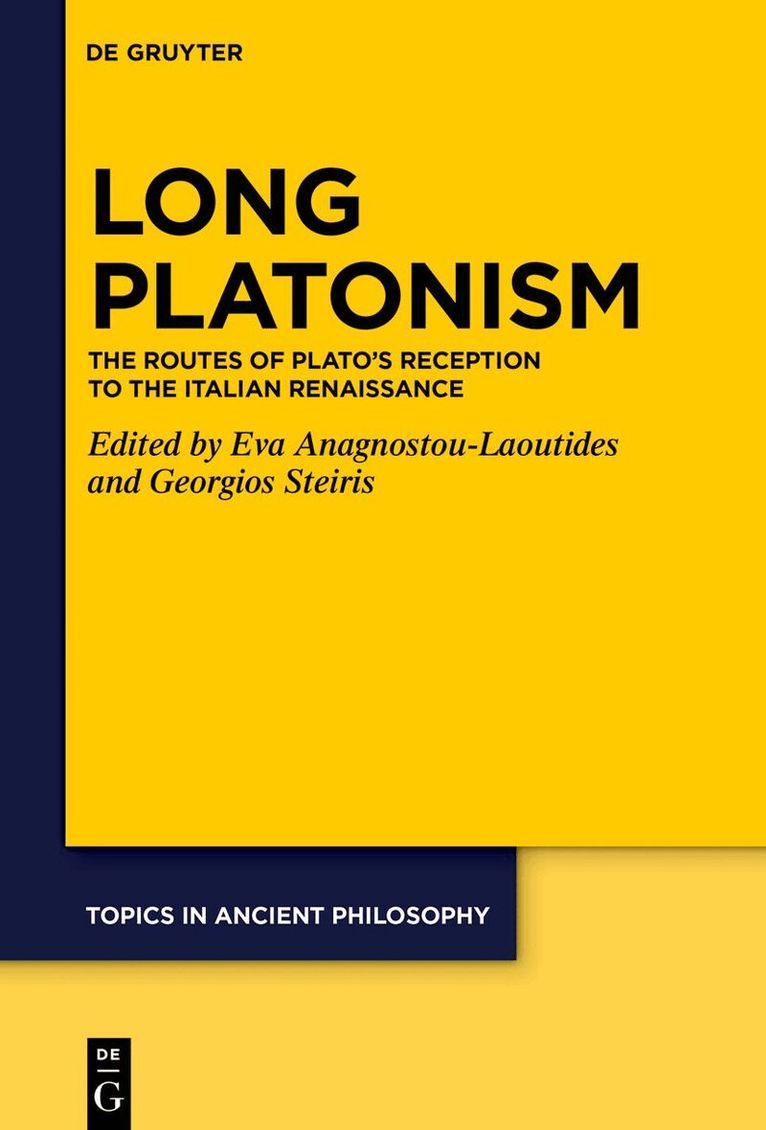
Long Platonism
The Routes of Plato’s Reception to the Italian Renaissance
Av Eva Anagnostou-Laoutides, Georgios Steiris
Inbunden, 2026
1895 kr
Lägg i varukorg
The impact of Platonism in shaping the Abrahamic traditions is yet to be fully explored. The papers in this volume examine the influence of Plato and his commentators in the conception and articulation of theological issues in late antique and medieval Christianity, but also in Islamic and Jewish …