Gerald R. Butters - Böcker
Visar alla böcker från författaren Gerald R. Butters. Handla med fri frakt och snabb leverans.
2 produkter
2 produkter
501 kr
Skickas inom 10-15 vardagar
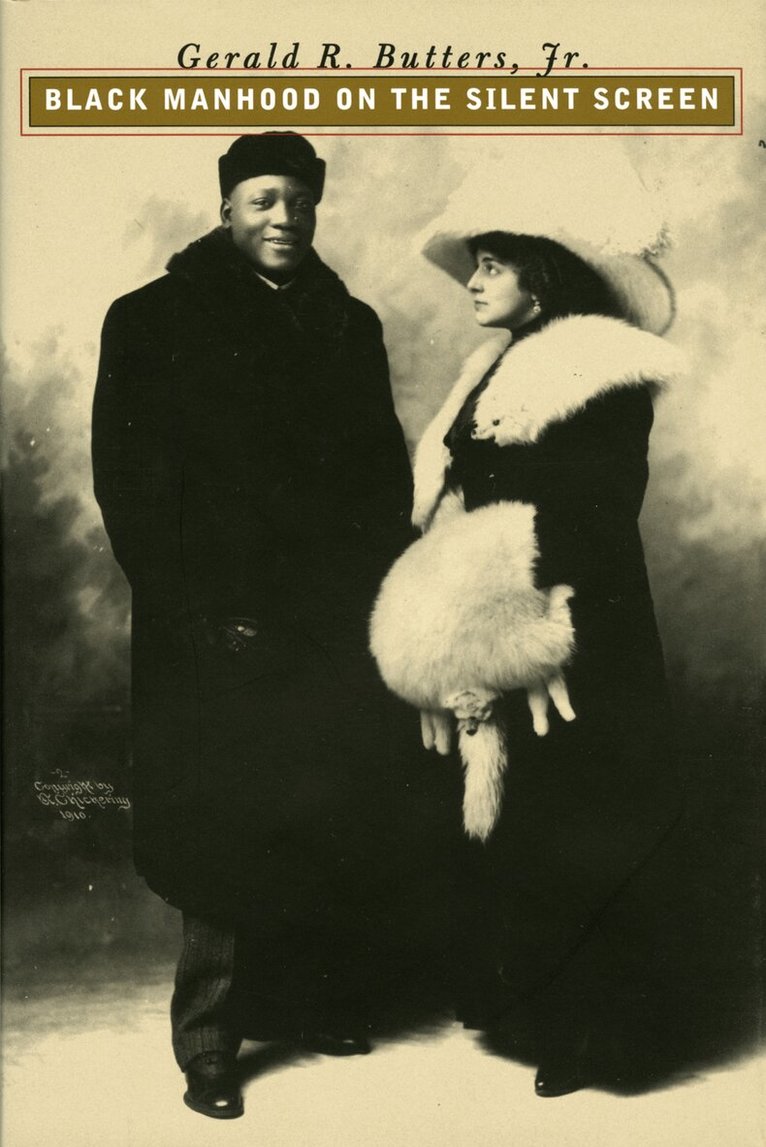
In early-20th-century motion picture houses, offensive stereotypes of African Americans were as predictable as they were prevalent. However, few people realize that from 1915 to 1929 a number of African-American film directors worked diligently to counter such racist definitions of black manhood found in films like D.W. Griffith's ""The Birth of a Nation"", the 1915 epic that glorified the Ku Klux Klan. This comprehensive study of the African American cinematic vision in silent film concentrates on works largely ignored by most contemporary film scholars: African American produced and directed films and white independent productions of all-black features. Using these ""race movies"" to explore the construction of masculine identity and the use of race in popular culture, he separates cinematic myth from historical reality: the myth of the Euro American-controlled cinematic portrayal of black men versus the actual black male experience. Through archival research, Butters reconstructs many lost films, expanding the discussion of race and representation beyond the debate about ""good"" and ""bad"" imagery to explore the construction of masculine identity and the use of race as device in the context of western popular culture. He particularly examines the filmmaking of Oscar Micheaux, a prolific and controversial African-American silent film director and creator of ""Within Our Gates"" - a film that exposed a virtual litany of white abuses toward blacks.
366 kr
Skickas inom 10-15 vardagar
Beyond Blaxploitation, the first book-length anthology of scholarly work on blaxploitation films, sustains the momentum that blaxploitation scholarship has recently gained, giving the films an even more prominent place in cinema history. This volume is made up of eleven essays employing historical and theoretical methodologies in the examination of spectatorship, marketing, melodrama, the transition of novel to screenplay, and racial politics and identity, among other significant topics. In doing so, the book fills a substantial gap that exists in the black cinematic narrative and, more broadly, in film history.Beyond Blaxploitation is divided into three sections that feature original essays on a variety of canonical blaxploitation films and others that either influenced the movement or in some form represent a significant extension of it. The first section titled, ""From Pioneer to Precursor to Blaxploitation,"" centers on three films—Cotton Comes to Harlem, Watermelon Man, and Sweet Sweetback’s Baadasssss Song—that ignited the African American film cycle. The second section, ""The Canon and the Not so Canon,"" is dedicated to forging alternative considerations of some of the most highly regarded blaxploitation films, while also bringing attention to lesserknown films in the movement. The final section, ""Was, Is, or Isn’t Blaxploitation,"" includes four essays that offer significant insights on films that are generally associated with blaxploitation but contest traditional definitions of the movement. Moreover, this section features chapters that address industrial factors that led to the creation of blaxploitation cinema and highlight the limitations of the term itself.Beyond Blaxploitation is a much-needed pedagogical tool, informing film scholars, critics, and fans alike, about blaxploitation’s richness and complexity.