Gerard Daniel Cohen - Böcker
Visar alla böcker från författaren Gerard Daniel Cohen. Handla med fri frakt och snabb leverans.
4 produkter
4 produkter
322 kr
Skickas inom 7-10 vardagar
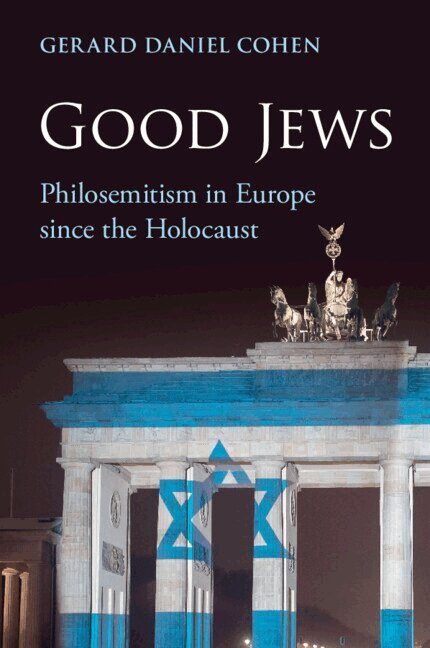
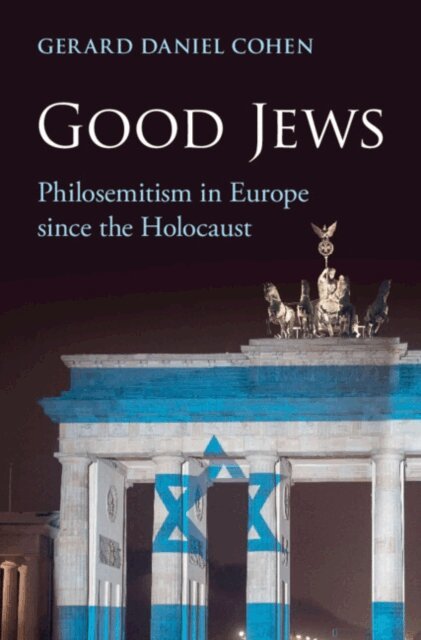
The Holocaust is now widely recognized as a central event in twentieth-century Europe. But how did the genocide of the Jews affect European attitudes towards Jews, Judaism and Jewishness after 1945? While many histories of antisemitism exist, Good Jews offers an investigation of philosemitism - defined as a politics of post-Holocaust friendship. Gerard Daniel Cohen presents a critical exploration of the languages of philosemitism in mainstream European politics and culture from 1945 to the present day, with particular emphasis on Germany and France. Within this framework Cohen explores how the 'Jewish question', or the problem of Jewish difference and incorporation in Western countries during the postwar decades, has been distinctively foregrounded in the language of philosemitism. Ultimately, Good Jews demonstrates that philosemitic Europe is not an idealised love story, but a reflection of European attitudes towards Jews from the Holocaust to the present.
419 kr
Skickas inom 5-8 vardagar
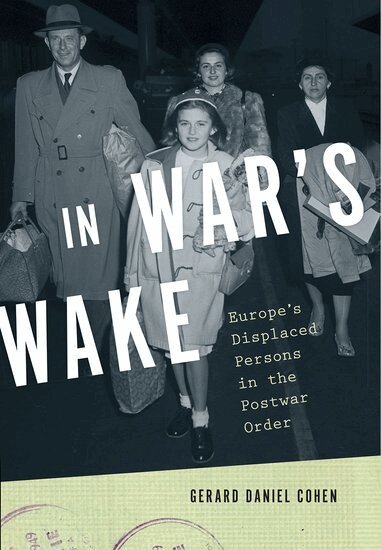
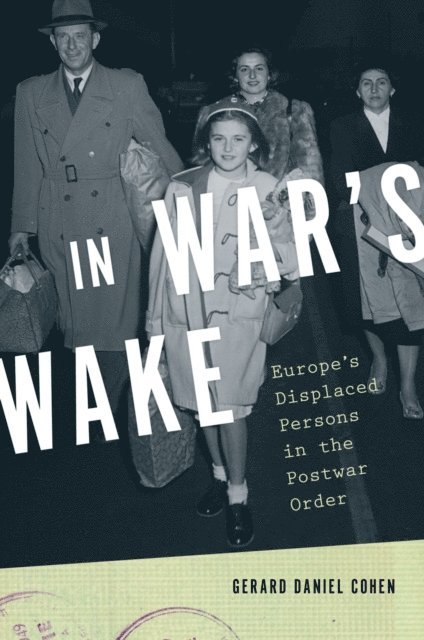
The end of the Second World War in Europe gave way to a gigantic refugee crisis. Thoroughly prepared by Allied military planners, the swift repatriation of millions of former forced laborers, concentration camp inmates and prisoners of war nearly brought this dramatic episode top a close. Yet in September 1945, the number of displaced persons placed under the guardianship of Allied armies and relief agencies in occupied Germany amounted to 1.5 million. A costly burden for the occupying powers, the Jewish, Polish, Ukrainian, Yugoslav and Baltic DPs unwilling to return to their countries of origin presented a complex international problem. Massed in refugee camps stretched from Northern Germany to Sicily, the DPs had become long-term asylum seekers. Based on the records of the International Refugee Organization, this book describes how the European DP crisis impinged on the shape of the postwar order. The DP question directly affected the outbreak of the Cold War; the transformation of the "West" into a new geopolitical entity; the conduct of political purges and retribution; the ideology and methods of modern humanitarian interventions; the appearance of international agencies and non-governmental organizations; the emergence of an international human rights system; the organization of migration movements and the redistribution of "surplus populations"; the advent of Jewish nationhood; and postwar categorizations of political and humanitarian refugees.
679 kr
Skickas inom 5-8 vardagar
The end of the Second World War in Europe gave way to a gigantic refugee crisis. Thoroughly prepared by Allied military planners, the swift repatriation of millions of former forced laborers, concentration camp inmates and prisoners of war nearly brought this dramatic episode top a close. Yet in September 1945, the number of displaced persons placed under the guardianship of Allied armies and relief agencies in occupied Germany amounted to 1.5 million. A costly burden for the occupying powers, the Jewish, Polish, Ukrainian, Yugoslav and Baltic DPs unwilling to return to their countries of origin presented a complex international problem. Massed in refugee camps stretched from Northern Germany to Sicily, the DPs had become long-term asylum seekers. Based on the records of the International Refugee Organization, this book describes how the European DP crisis impinged on the shape of the postwar order. The DP question directly affected the outbreak of the Cold War; the transformation of the "West" into a new geopolitical entity; the conduct of political purges and retribution; the ideology and methods of modern humanitarian interventions; the appearance of international agencies and non-governmental organizations; the emergence of an international human rights system; the organization of migration movements and the redistribution of "surplus populations"; the advent of Jewish nationhood; and postwar categorizations of political and humanitarian refugees.
1 060 kr
Skickas inom 7-10 vardagar
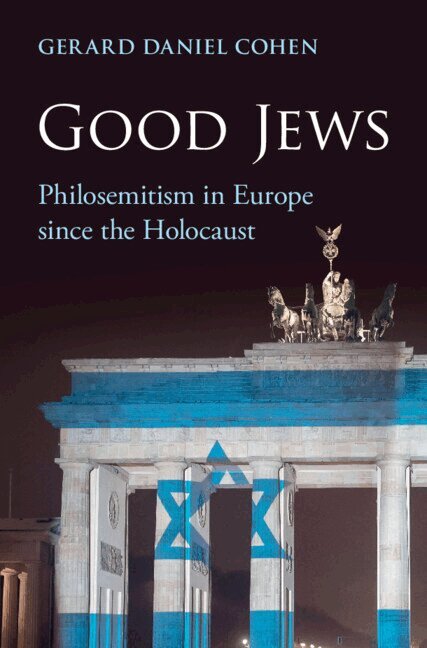
The Holocaust is now widely recognized as a central event in twentieth-century Europe. But how did the genocide of the Jews affect European attitudes towards Jews, Judaism and Jewishness after 1945? While many histories of antisemitism exist, Good Jews offers an investigation of philosemitism - defined as a politics of post-Holocaust friendship. Gerard Daniel Cohen presents a critical exploration of the languages of philosemitism in mainstream European politics and culture from 1945 to the present day, with particular emphasis on Germany and France. Within this framework Cohen explores how the 'Jewish question', or the problem of Jewish difference and incorporation in Western countries during the postwar decades, has been distinctively foregrounded in the language of philosemitism. Ultimately, Good Jews demonstrates that philosemitic Europe is not an idealised love story, but a reflection of European attitudes towards Jews from the Holocaust to the present.