Gerard Rosich – författare
Visar alla böcker från författaren Gerard Rosich. Handla med fri frakt och snabb leverans.
5 produkter
Contested History of Autonomy
Interpreting European Modernity
Av Gerard Rosich, Martti Koskenniemi
Inbunden, 2018
1899 kr
Lägg i varukorg
The Contested History of Autonomy examines the concept of autonomy in modern times. It presents the history of modernity as constituted by the tension between sovereignty and autonomy and offers a critical interpretation of European modernity from a global perspective.The book shows, in contrast to …
Contested History of Autonomy
Interpreting European Modernity
E-bok, 2018
529 kr
Lägg i varukorg
The Contested History of Autonomy examines the concept of autonomy in modern times. It presents the history of modernity as constituted by the tension between sovereignty and autonomy and offers a critical interpretation of European modernity from a global perspective. The book shows, in contrast …
Contested History of Autonomy
Interpreting European Modernity
E-bok, 2018
546 kr
Lägg i varukorg
The Contested History of Autonomy examines the concept of autonomy in modern times. It presents the history of modernity as constituted by the tension between sovereignty and autonomy and offers a critical interpretation of European modernity from a global perspective. The book shows, in contrast …
Contested History of Autonomy
Interpreting European Modernity
Av Gerard Rosich, Martti Koskenniemi
Häftad, 2020
502 kr
Lägg i varukorg
The Contested History of Autonomy examines the concept of autonomy in modern times. It presents the history of modernity as constituted by the tension between sovereignty and autonomy and offers a critical interpretation of European modernity from a global perspective.The book shows, in contrast to …
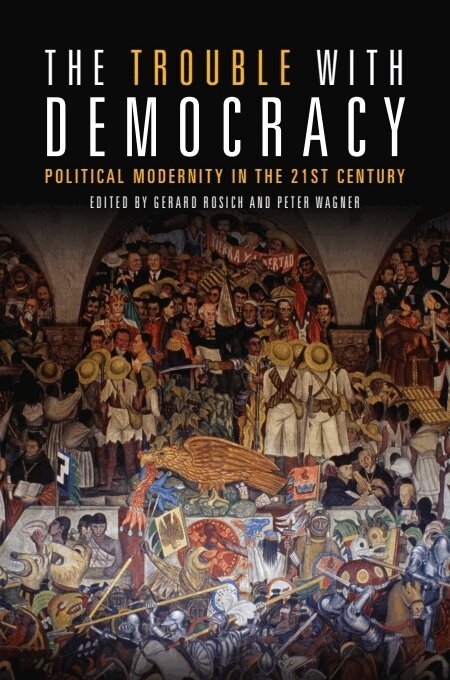
Trouble with Democracy
Political Modernity in the 21st Century
Av Gerard Rosich, Peter Wagner
Häftad, 2017
418 kr
Lägg i varukorg
Western political thought has long maintained that democracy, once achieved, is here to stay. This view appears to be supported by successive 'waves of democratisation' across the world but, in truth, the political situation of our time is much more ambiguous. On the one hand, the commitment to …