Gerardo Con Diaz – Författare
Visar alla böcker från författaren Gerardo Con Diaz. Handla med fri frakt och snabb leverans.
5 produkter
5 produkter
336 kr
Tillfälligt slut
296 kr
Skickas inom 7-10 vardagar
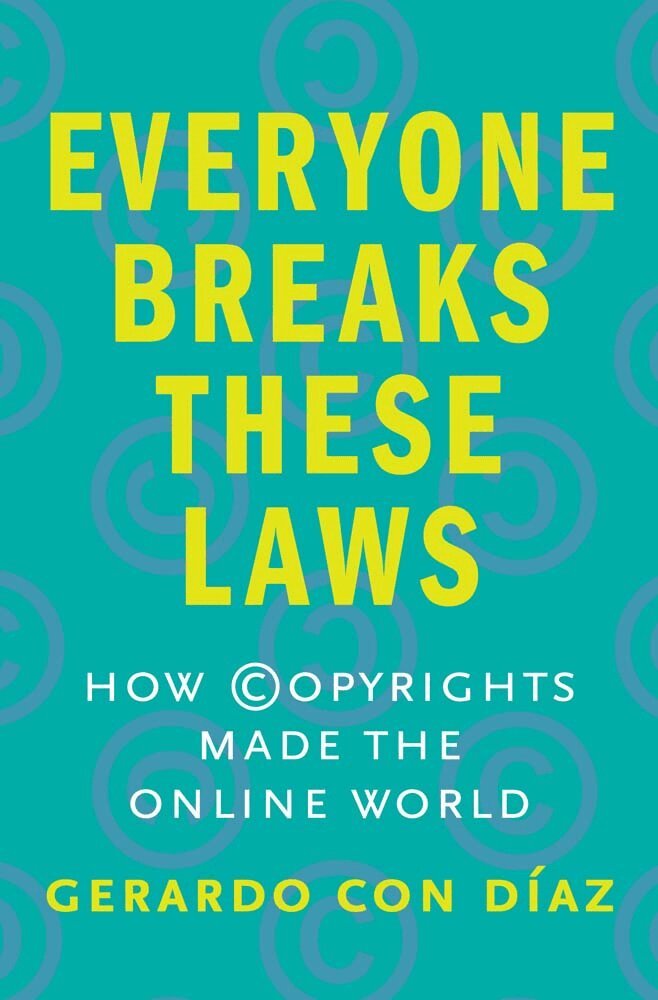
Copyright’s profound impact on the online world as we know it This book is a captivating exploration of the profound impact of American copyright law on our online lives. By telling stories about hope, art, greed, and fear and how they have affected the legal dimensions of creativity and technological change, this book uncovers the hidden forces shaping our digital world. Gerardo Con Díaz examines the strange world of online copyrights from the 1990s to today’s AI-driven era, showing how our ability to immerse ourselves in digital media depends on the erosion of what it means for people to own their creative works, online and offline. He delves into the often overlooked impact of digital ownership on privacy and self-expression in this fascinating field guide to the complex landscape of online rights.
539 kr
Skickas inom 10-15 vardagar
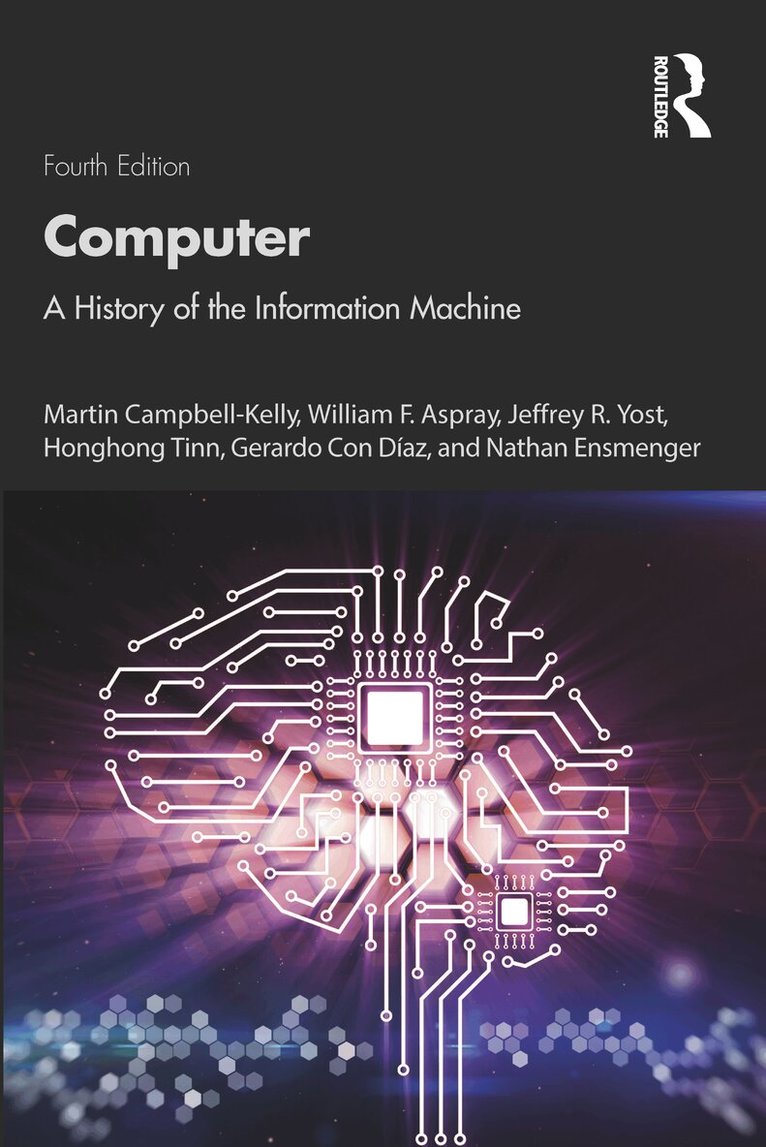
Computer: A History of the Information Machine traces the history of the computer and its unlimited, information-processing potential.Comprehensive and accessibly written, this fully updated fourth edition adds new chapters on the globalization of information technology, the rise of social media, fake news, and the gig economy, and the regulatory frameworks being put in place to tame the ubiquitous computer. Computer is an insightful look at the pace of technological advancement and the seamless way computers are integrated into the modern world. The authors examine the history of the computer, including the first steps taken by Charles Babbage in the nineteenth century, and how wartime needs and the development of electronics led to the giant ENIAC, the first electronic computer. For a generation IBM dominated the computer industry. In the 1980s, the desktop PC liberated people from room-sized mainframe computers. Next, laptops and smartphones made computers available to half of the world’s population, leading to the rise of Google and Facebook, and powerful apps that changed the way we work, consume, learn, and socialize.The volume is an essential resource for scholars and those studying computer history, technology history, and information and society, as well as a range of courses in the fields of computer science, communications, sociology, and management.
2 036 kr
Skickas inom 10-15 vardagar
Computer: A History of the Information Machine traces the history of the computer and its unlimited, information-processing potential.Comprehensive and accessibly written, this fully updated fourth edition adds new chapters on the globalization of information technology, the rise of social media, fake news, and the gig economy, and the regulatory frameworks being put in place to tame the ubiquitous computer. Computer is an insightful look at the pace of technological advancement and the seamless way computers are integrated into the modern world. The authors examine the history of the computer, including the first steps taken by Charles Babbage in the nineteenth century, and how wartime needs and the development of electronics led to the giant ENIAC, the first electronic computer. For a generation IBM dominated the computer industry. In the 1980s, the desktop PC liberated people from room-sized mainframe computers. Next, laptops and smartphones made computers available to half of the world’s population, leading to the rise of Google and Facebook, and powerful apps that changed the way we work, consume, learn, and socialize.The volume is an essential resource for scholars and those studying computer history, technology history, and information and society, as well as a range of courses in the fields of computer science, communications, sociology, and management.
692 kr
Skickas inom 7-10 vardagar
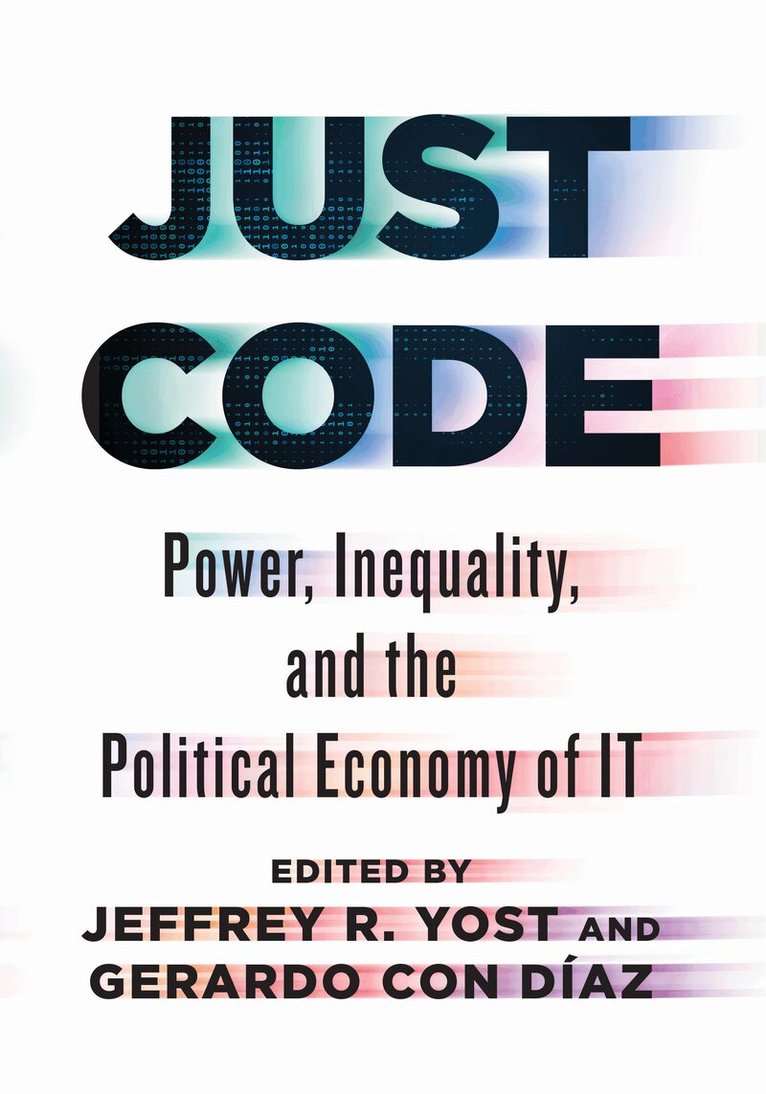
How code shapes power and inequality across technology, governance, and global political economies.Code—whether software routines, legal frameworks, or informal social norms—shapes the world around us in profound and often invisible ways. In Just Code, editors Jeffrey R. Yost and Gerardo Con Díaz bring together a diverse group of scholars to examine how different forms of code both structure and reinforce power dynamics across societies.From algorithmic bias in artificial intelligence to global labor practices, this collection uncovers the hidden mechanisms by which code perpetuates inequality and injustice. It explores connections among technology, governance, and socioeconomic systems to reveal how code is both a tool of control and a product of the power structures it enables. Contributors analyze topics such as platform economies, algorithmic collusion, and labor practices in the tech industry, as well as how systems of representation and communication encode biases that amplify racial, gendered, and economic inequalities. These essays provide a critical lens for understanding how code intersects with politics and global cultures of technology production and use.By broadening the concept of "code" to include legal, social, and cultural systems, this collection challenges readers to see beyond the technical and interrogate the structures of power embedded in every layer of modern life. Just Code introduces a new framework for understanding the relationships among information technologies, systemic inequities, and the political economies that sustain them.