Jeffrey R. Yost – författare
Visar alla böcker från författaren Jeffrey R. Yost. Handla med fri frakt och snabb leverans.
12 produkter
Making IT Work
E-bok, 2017
492 kr
Lägg i varukorg
The evolution of the multi-billion-dollar computer services industry, from consulting and programming to data analytics and cloud computing, with case studies of important companies. The computer services industry has worldwide annual revenues of nearly a trillion dollars and employs millions of …
Bibliographic Guide to Resources in Scientific Computing, 1945-1975
E-bok, 2002
845 kr
Lägg i varukorg
An essential contribution to the study of the history of computers, this work identifies the computer's impact on the physical, biological, cognitive, and medical sciences. References fundamental to the understudied area of the history of scientific computing also document the significant role of …
Bibliographic Guide to Resources in Scientific Computing, 1945-1975
Inbunden, 2002
807 kr
Lägg i varukorg
An essential contribution to the study of the history of computers, this work identifies the computer's impact on the physical, biological, cognitive, and medical sciences. References fundamental to the understudied area of the history of scientific computing also document the significant role of …
Computer Industry
Inbunden, 2005
735 kr
Lägg i varukorg
Originally a military and scientific computational tool of a small number of government, scientific, and corporate elites in the late 1940s, the computer has evolved significantly in less than 70 years to become a revolutionary technology and the basis for one the largest industries in America. The …
Computer
A History of the Information Machine
Av Gerardo Con DA-az, Honghong Tinn m. fl.
E-bok, 2023
658 kr
Lägg i varukorg
Computer: A History of the Information Machine traces the history of the computer and its unlimited, information-processing potential. Comprehensive and accessibly written, this fully updated fourth edition adds new chapters on the globalization of information technology, the rise of social media, …
Computer
A History of the Information Machine
Av Gerardo Con DA-az, Honghong Tinn m. fl.
E-bok, 2023
644 kr
Lägg i varukorg
Computer: A History of the Information Machine traces the history of the computer and its unlimited, information-processing potential. Comprehensive and accessibly written, this fully updated fourth edition adds new chapters on the globalization of information technology, the rise of social media, …
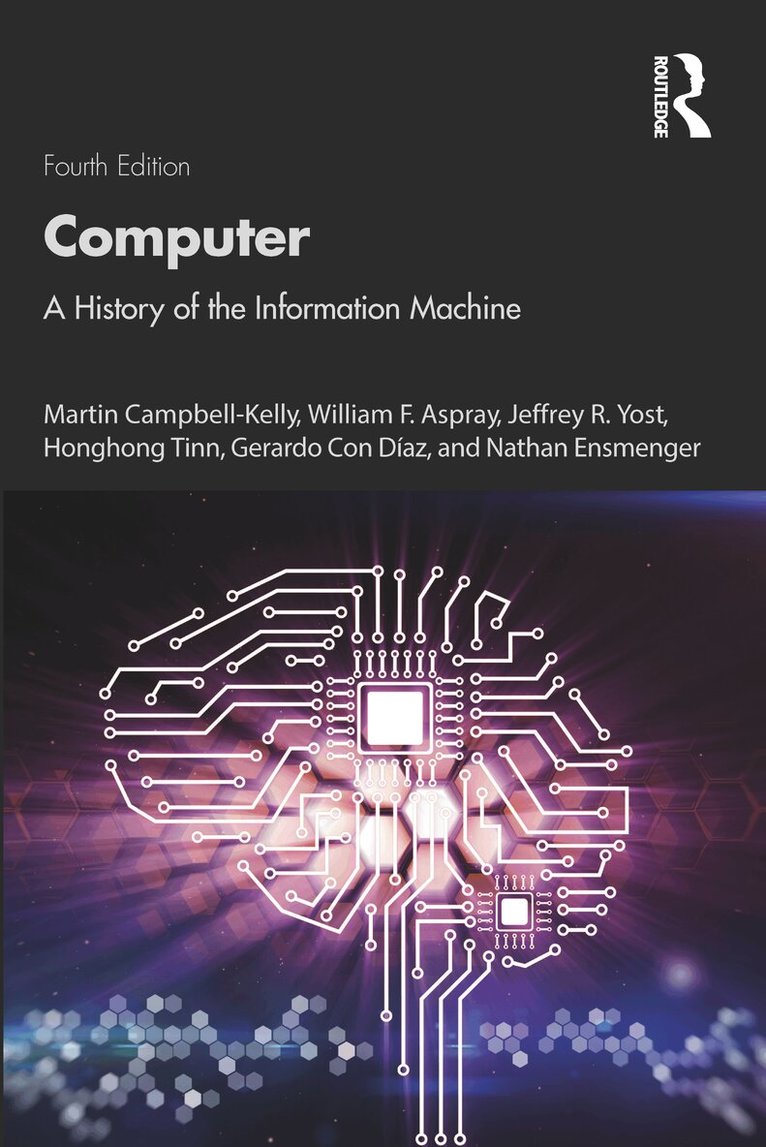
Computer
A History of the Information Machine
Av Martin Campbell-Kelly, William F. Aspray m. fl.
Häftad, 2023
579 kr
Lägg i varukorg
Computer: A History of the Information Machine traces the history of the computer and its unlimited, information-processing potential.Comprehensive and accessibly written, this fully updated fourth edition adds new chapters on the globalization of information technology, the rise of social media, …
Computer
A History of the Information Machine
Av Martin Campbell-Kelly, William F. Aspray m. fl.
Inbunden, 2023
2189 kr
Lägg i varukorg
Computer: A History of the Information Machine traces the history of the computer and its unlimited, information-processing potential.Comprehensive and accessibly written, this fully updated fourth edition adds new chapters on the globalization of information technology, the rise of social media, …
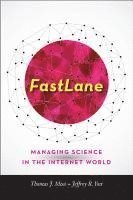
FastLane
Managing Science in the Internet World
Av Thomas J. Misa, Jeffrey R. Yost
Inbunden, 2016
459 kr
Lägg i varukorg
Since 2000, the National Science Foundation has depended upon its pioneering FastLane e-government system to manage grant applications, peer reviews, and reporting. In this behind-the-scenes account Thomas J. Misa and Jeffrey R. Yost examine how powerful forces of science and computing came …
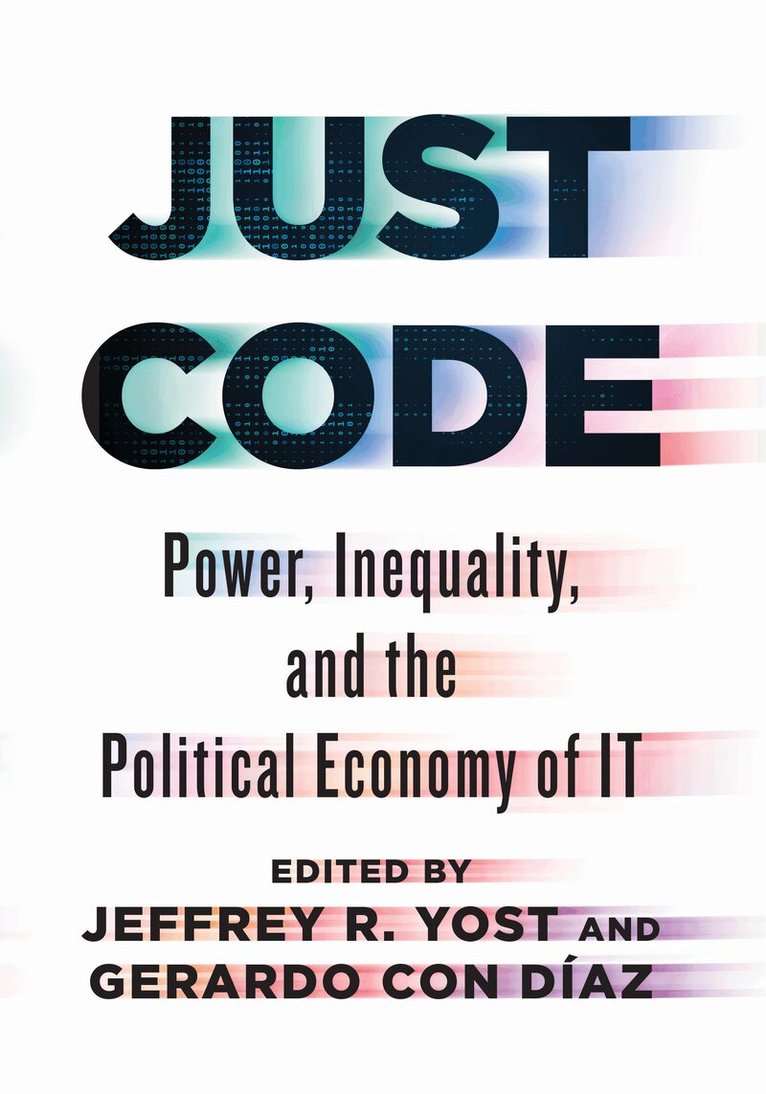
Just Code
Power, Inequality, and the Political Economy of IT
Av Jeffrey R. Yost, Jeffrey R. Yost m. fl.
Häftad, 2025
753 kr
Lägg i varukorg
How code shapes power and inequality across technology, governance, and global political economies.Code—whether software routines, legal frameworks, or informal social norms—shapes the world around us in profound and often invisible ways. In Just Code, editors Jeffrey R. Yost and Gerardo Con Díaz …