• Fri frakt över 249 kr
  • •
  • Snabba leveranser
  • •
  • Billiga böcker
Kundservice

Du är på sajten för privatpersoner.

Företag, bibliotek eller offentlig verksamhet?

Du handlar på classic.bokus.com, där alla dina funktioner finns intakta.
Till classic.bokus.com
Bokus logotyp. Gå till startsidan.
  • Erbjudanden
  • Nyheter
  • Student
  • Topplistor
  • Barn & ungdom
  • Bokus Play
  • E-böcker
  • Pocketböcker
  • Spel & pussel

10% rabatt på allt med kod NYSTART10 →

Sidfot

Mina sidor

    Hjälp

    • Kundservice
    • Vanliga frågor och svar
    • Frakt och leverans
    • Retur vid ångerrätt
    • Reklamera vara
    • Betalning
    • Köpvillkor
    • Allmänna villkor
    • Information om webbplatsens tillgänglighet

    Om Bokus

    • Om oss
    • Pressrum
    • För studenter
    • För företag
    • För bibliotek och offentlig verksamhet
    • För leverantörer
    • Hållbarhet

    Populärt

    • Aktuella erbjudanden
    • Presentkort
    • Studentlitteratur
    • Nya böcker
    • Topplistor
    • Signerade böcker
    • Engelska böcker

    Inspiration

    • Boktips
    • BookTok
    • Populära bokserier
    • Barnbokskaraktärer
    • Populära författare
    Logotyp för Bokus
    Följ oss på Facebook (extern länk)Följ oss på Instagram (extern länk)Följ oss på YouTube (extern länk)Följ oss på TikTok (extern länk)
    bokus @ CookiesAnpassa cookiesIntegritetspolicyKöpvillkor
    Till Citymail hemsida (extern länk)Till Budbee hemsida (extern länk)Till Postnord hemsida (extern länk)Till Schenker hemsida (extern länk)Till Early Bird hemsida (extern länk)Till Walleys hemsida (extern länk)
    1. Historia och arkeologi
    2. Historia
    3. Amerikas historia

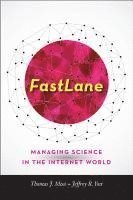
    FastLane

    Managing Science in the Internet World

    AvThomas J. Misa,Jeffrey R. Yost

    Inbunden, Engelska, 2016

    Del i serien Johns Hopkins Studies in the History of Technology

    431 kr

    Beställningsvara. Skickas inom 5-8 vardagar. Fri frakt över 249 kr.

    Beskrivning

    Since 2000, the National Science Foundation has depended upon its pioneering FastLane e-government system to manage grant applications, peer reviews, and reporting. In this behind-the-scenes account Thomas J. Misa and Jeffrey R. Yost examine how powerful forces of science and computing came together to create this influential grant-management system, assessing its impact on cutting-edge scientific research. Why did the NSF create FastLane, and how did it anticipate the development of web-based e-commerce? What technical challenges did the glitch-prone early system present? Did the switch to electronic grant proposals disadvantage universities with fewer resources? And how did the scientific community help shape FastLane? Foregrounding the experience of computer users, the book draws on hundreds of interviews with scientific researchers, sponsored project administrators, NSF staff, and software designers, developers, and managers.

    Produktinformation

    • Utgivningsdatum:2016-03-11
    • Mått:152 x 229 x 20 mm
    • Vikt:431 g
    • Format:Inbunden
    • Språk:Engelska
    • Serie:Johns Hopkins Studies in the History of Technology
    • Antal sidor:224
    • Förlag:Johns Hopkins University Press
    • ISBN:9781421418681

    Utforska kategorier

    • Amerikas historia inom Historia och arkeologi
    • Naturvetenskapens historia inom Naturvetenskap och teknik

    Mer om författaren

    Thomas J. Misa is the director of the Charles Babbage Institute at the University of Minnesota, where he holds the Engineering Research Associates Land-Grant Chair in the history of technology. He is the author of Leonardo to the Internet: Technology and Culture from the Renaissance to the Present. Jeffrey R. Yost is the associate director of the Charles Babbage Institute and a faculty member in the history of science, technology, and medicine department at the University of Minnesota. He is the coauthor of Computer: A History of the Information Machine.

    Innehållsförteckning

    • Preface1. Managing Science2. Origins of E-Government3. Developing a New System4. Principal Investigators as Lead Users5. Research Administrators as Lead Users6. NSF Staff as Legacy Users7. Legacies, Lessons, and ProspectsAppendix A. University Site VisitsAppendix B. Interview Summary StatisticsNotesEssay on SourcesIndex