Gerrit Verhoeven - Böcker
Visar alla böcker från författaren Gerrit Verhoeven. Handla med fri frakt och snabb leverans.
3 produkter
3 produkter
649 kr
Skickas inom 10-15 vardagar
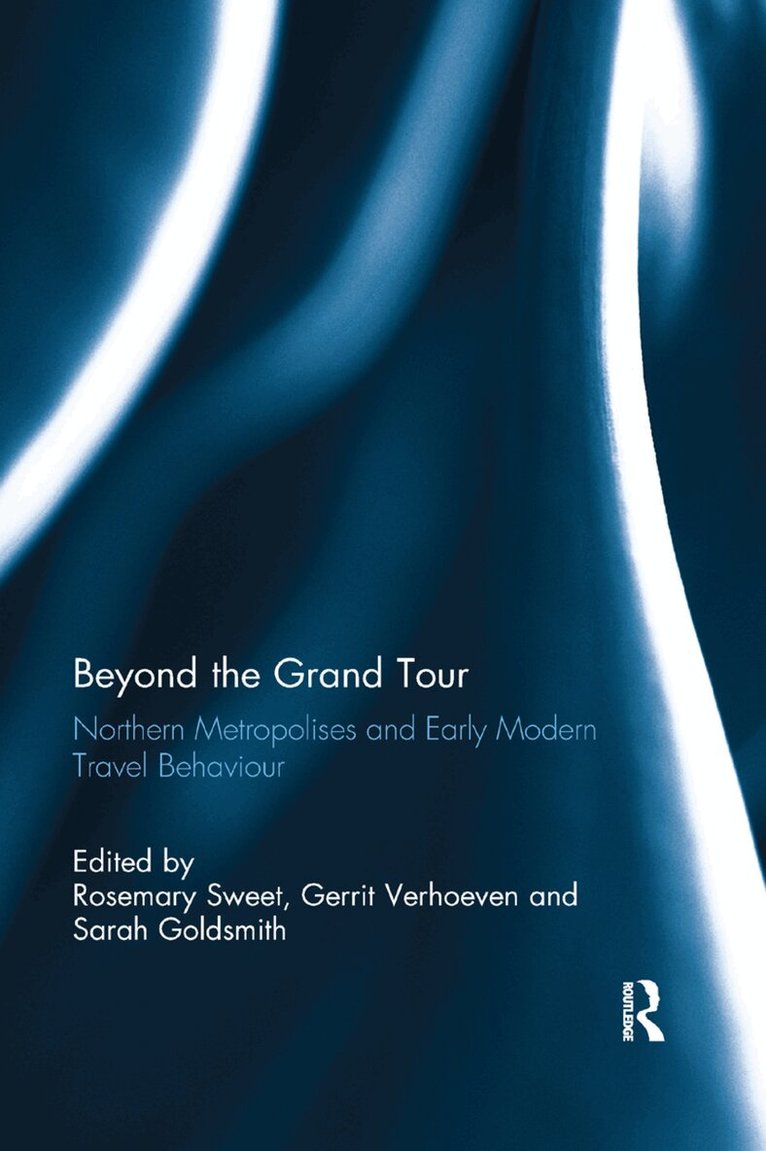
Travel in early modern Europe is frequently represented as synonymous with the institution of the Grand Tour, a journey undertaken by elite young males from northern Europe to the centres of the arts and antiquity in Italy. Taking a somewhat different perspective, this volume builds upon recent research that pushes beyond this narrow orthodoxy and which decentres Italy as the ultimate destination of European travellers. Instead, it explores a much broader pattern of travel, undertaken by people of varied backgrounds and with divergent motives for travelling. By tapping into current reactions against the reification of the Grand Tour as a unique and distinctive practice, this volume represents an important contribution to the ongoing process of resituating the Grand Tour as part of a wider context of travel and topographicalmwriting. Focusing upon practices of travel in northern and western Europe rather than in Italy, particularly in Britain, the Low Countries and Germany, the essays in this collection highlight how itineraries continually evolved in response to changing political, economic and intellectual contexts. In so doing, the reasons for travel in northern Europe are subjected to a similar level of detailed analysis as has previously only been directed on Italy. By doing this, the volume demonstrates the variety of travel experiences, including the many shorter journeys made for pleasure, health, education and business undertaken by travellers of varying age and background across the period. In this way the volume brings to the fore the experiences of varied categories of traveller – from children to businessmen – which have traditionally been largely invisible in the historiography of travel.
Beyond the Grand Tour
Northern Metropolises and Early Modern Travel Behaviour
Inbunden, Engelska, 2017
2 357 kr
Skickas inom 10-15 vardagar
Travel in early modern Europe is frequently represented as synonymous with the institution of the Grand Tour, a journey undertaken by elite young males from northern Europe to the centres of the arts and antiquity in Italy. Taking a somewhat different perspective, this volume builds upon recent research that pushes beyond this narrow orthodoxy and which decentres Italy as the ultimate destination of European travellers. Instead, it explores a much broader pattern of travel, undertaken by people of varied backgrounds and with divergent motives for travelling. By tapping into current reactions against the reification of the Grand Tour as a unique and distinctive practice, this volume represents an important contribution to the ongoing process of resituating the Grand Tour as part of a wider context of travel and topographicalmwriting. Focusing upon practices of travel in northern and western Europe rather than in Italy, particularly in Britain, the Low Countries and Germany, the essays in this collection highlight how itineraries continually evolved in response to changing political, economic and intellectual contexts. In so doing, the reasons for travel in northern Europe are subjected to a similar level of detailed analysis as has previously only been directed on Italy. By doing this, the volume demonstrates the variety of travel experiences, including the many shorter journeys made for pleasure, health, education and business undertaken by travellers of varying age and background across the period. In this way the volume brings to the fore the experiences of varied categories of traveller – from children to businessmen – which have traditionally been largely invisible in the historiography of travel.
Del 9 - Egodocuments and History Series
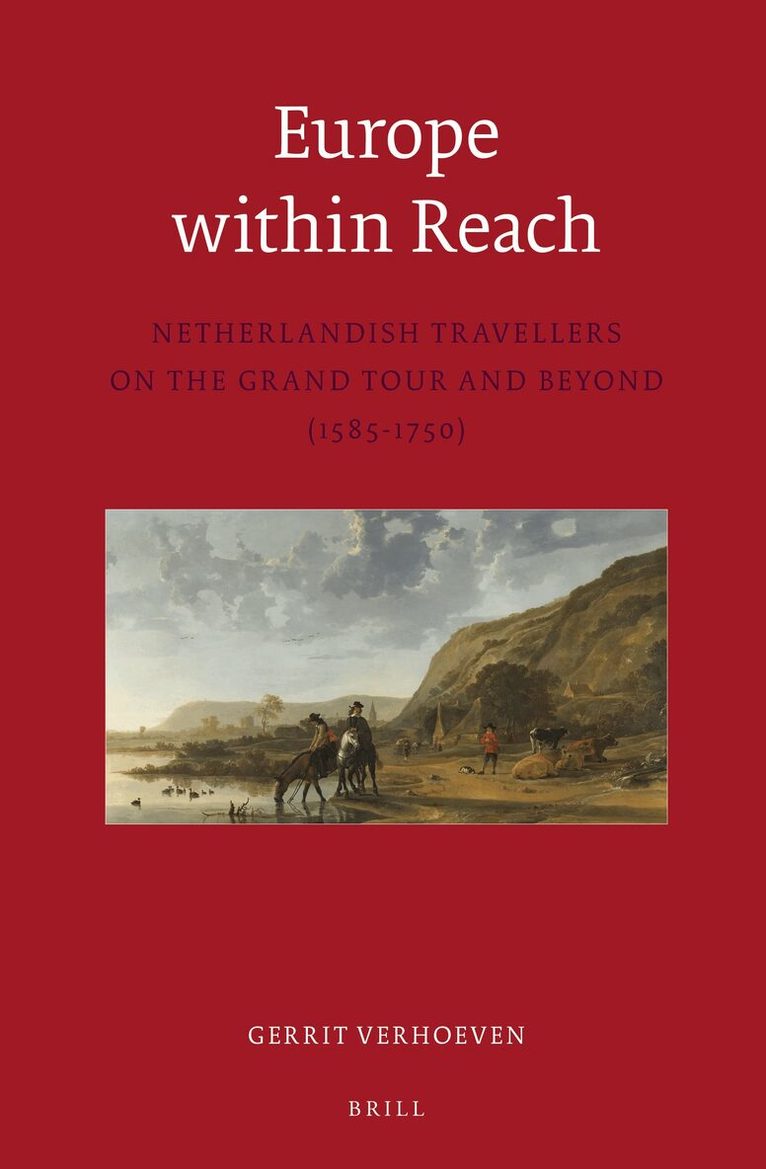
Europe within Reach
Netherlandish Travellers on the Grand Tour and Beyond (1585-1750)
Inbunden, Engelska, 2015
2 695 kr
Skickas inom 5-8 vardagar
In Europe within Reach Gerrit Verhoeven traces some sweeping evolutions in the early modern travel behaviour of Dutch and Flemish elites (1585-1750), as the classical Grand Tour was slowly but surely overshadowed by other types of travelling.Leisure trips to Paris, London or Berlin, a cours pittoresque along the Rhine, domestic trips in the Low Countries and a series of other destinations gained ground, while new sorts of travellers cropped up: female and middle-class travellers, domestic servants, children, youngsters and the elderly. Verhoeven does not only trace these evolutions, but also explains why Netherlandish travellers gradually turned into art connoisseurs; why they were spellbound by sites of memory and by rugged landscapes; or why all sorts of fashionable gadgets and thingies were bought on the way.