Gideon Nisbet – författare
Visar alla böcker från författaren Gideon Nisbet. Handla med fri frakt och snabb leverans.
8 produkter
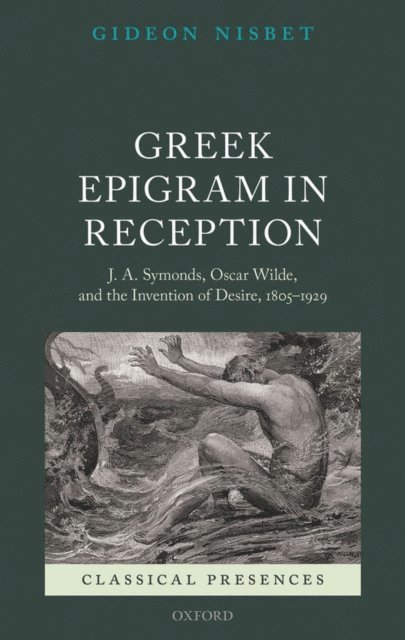
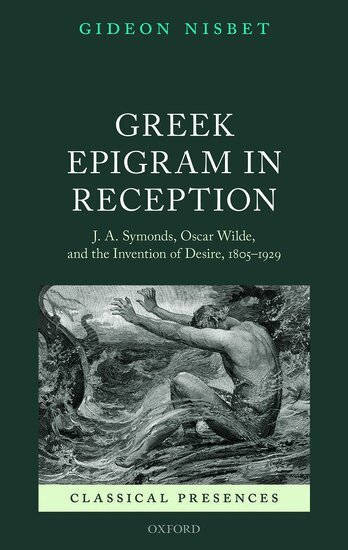
Greek Epigram in Reception
J. A. Symonds, Oscar Wilde, and the Invention of Desire, 1805-1929
E-bok, 2013
1539 kr
Lägg i varukorg
Greek Epigram in Reception is a chronological survey of the reception history of the Greek Anthology, a Byzantine collection of ancient Greek short poems known as epigrams. Tracing the strange evolution of the Greek Anthology from the early nineteenth century to the years after the first World War, …
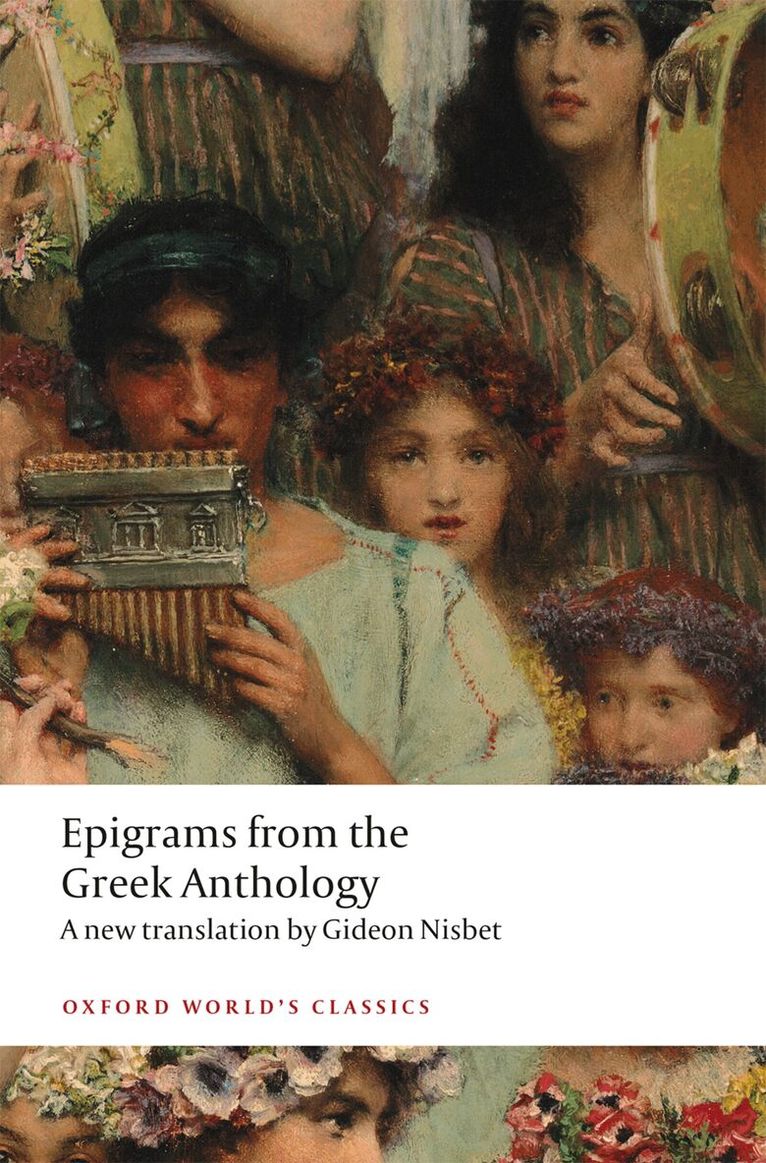
Epigrams from the Greek Anthology
Häftad, 2020
151 kr
Lägg i varukorg
Lush Diodorus sets the lads on fire,But now another has him in his net -Timarion, the boy with wanton eyes . . . Meleager, AP 12.109Encompassing four thousand short poems and more, the ramshackle classic we call the Greek Anthology gathers up a millennium of snapshots from ancient daily life. Its …
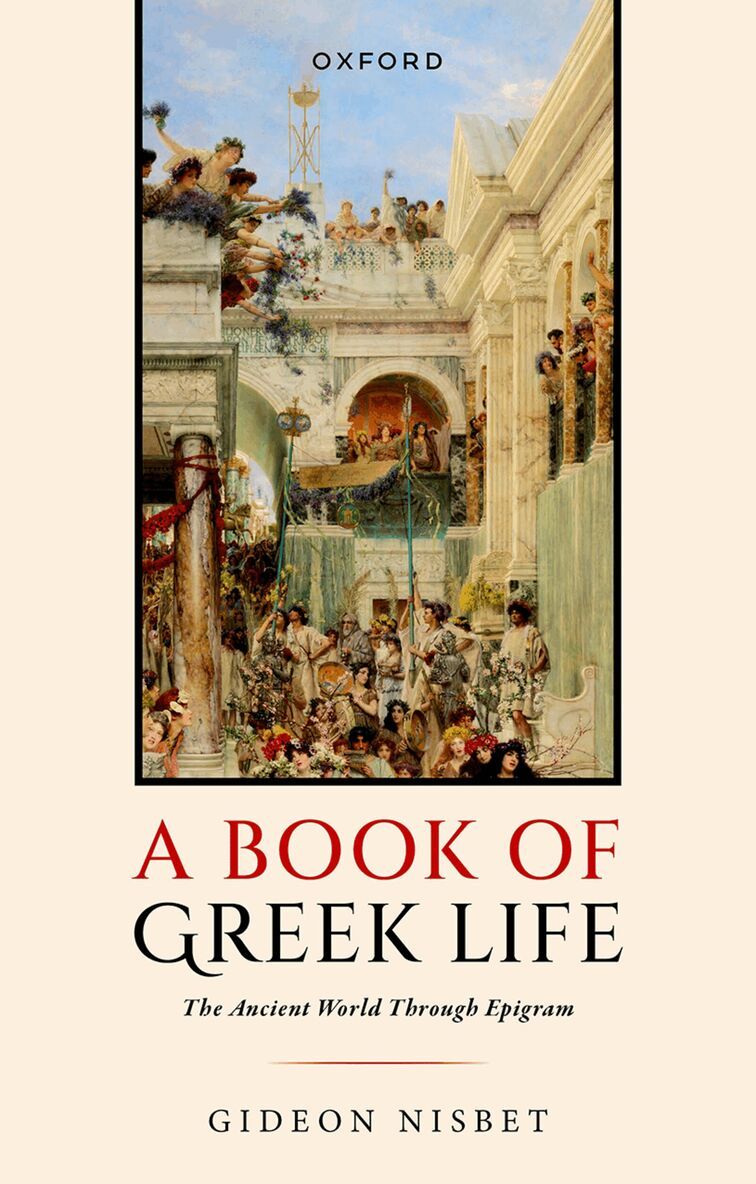
A Book of Greek Life
The Ancient World Through Epigram
Inbunden, 2026
403 kr
Lägg i varukorg
A Book of Greek Life: The Ancient World Through Epigram brings its readers into the realities and imaginations of the ancient world through its social media - the little poems we call epigrams. Epigram captures moments from ordinary and extraordinary ancient lives, inviting us to work, play, mourn, …
Greek Epigram in the Roman Empire
Martial's Forgotten Rivals
Inbunden, 2003
4181 kr
Lägg i varukorg
Satirical, or 'skoptic', epigram emerged as a distinctive new sub-genre of Greek literature in the Roman empire (the mid-first century CE) and flourished for at least a century. It was imitated by Martial, but it is now rarely read. In this book, the first substantial treatment of the subject, …
Greek Epigram in Reception
J. A. Symonds, Oscar Wilde, and the Invention of Desire, 1805-1929
Inbunden, 2013
2337 kr
Lägg i varukorg
Greek Epigram in Reception is a chronological survey of the reception history of the Greek Anthology, a Byzantine collection of ancient Greek short poems known as epigrams. Tracing the strange evolution of the Greek Anthology from the early nineteenth century to the years after the first World War, …
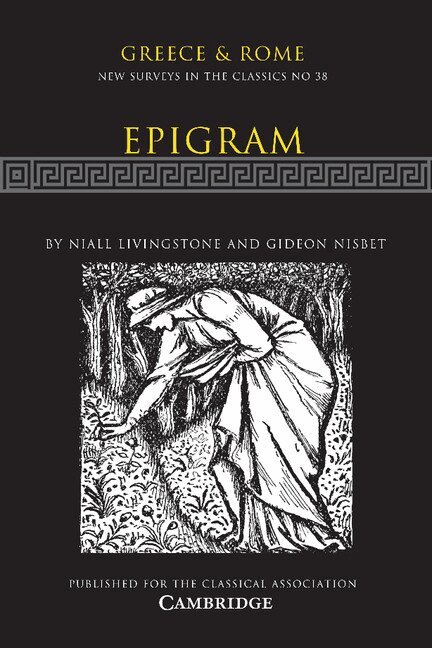
Epigram
Av Niall Livingstone, Gideon Nisbet
Häftad, 2010
467 kr
Lägg i varukorg
This is an introduction to the ancient genre of epigram, short poems literally written or inscribed 'on' an object or figuratively 'on' a topic. The authors set out what epigram means and why it matters, exploring its roots in inscriptions on stone and its literary flourishing in the Hellenistic …
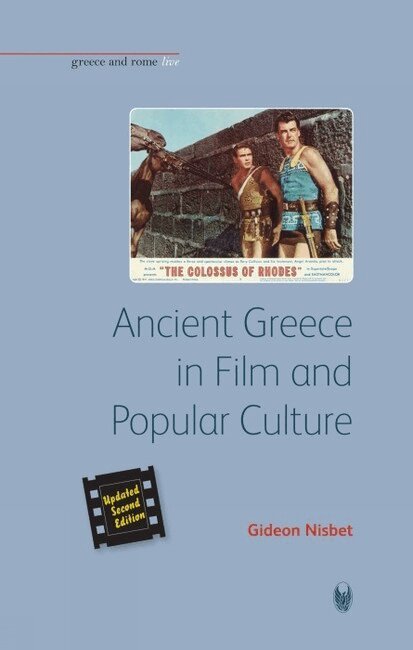
Ancient Greece in Film and Popular Culture (Revised second edition)
Häftad, 2008
518 kr
Lägg i varukorg
This revised and expanded second edition responds to new developments in the reception of Greece in contemporary popular culture, and particularly the impact of the film "300" (2006). Why, in a century of film-making, have so few versions of the story of Alexander the Great - or that of Troy's fall …
Ancient Greece in Film and Popular Culture
Inbunden, 2006
2059 kr
Tillfälligt slut
This book explores the changing fortunes of the heroes of Greek myth and history in the melting pot of popular culture. Using little-known examples, classicist and film fan Gideon Nisbet charts the hidden history of Greece in the twentieth-century imagination, from film to science fiction and …