Gil Yosipovitch - Böcker
Visar alla böcker från författaren Gil Yosipovitch. Handla med fri frakt och snabb leverans.
7 produkter
7 produkter
1 037 kr
Skickas inom 7-10 vardagar
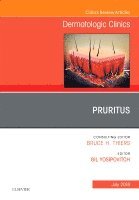
This issue of Dermatologic Clinics, guest edited by Dr. Gil Yosipovitch, is devoted to Pruritus (Itch). Articles in this issue include: Pathophysiology of Chronic Itch; Work-up of Chronic Itchy Patient; Management of Prurigo Nodularis; Chronic Pruritus in the Geriatric Population; Diagnosis and Management of Neuropathic Itch; Female Genital Itch; End Stage Renal Disease Chronic Itch and its Management; Management of Chronic Hepatic Itch; Pruritus in Scabies; Pruritus Associated� with� Targeted Cancer Therapies and Their Management; Pruritus in Lymphoma and its Management; Pruritus in Pregnancy and its Management; Pruritus� in Connective Tissue Disorders; Immunomodulating Agents as Anti Pruritics; Psychogenic Pruritus and its Management; and Drugs on the Horizon for Chronic Itch.
3 118 kr
Skickas inom 10-15 vardagar
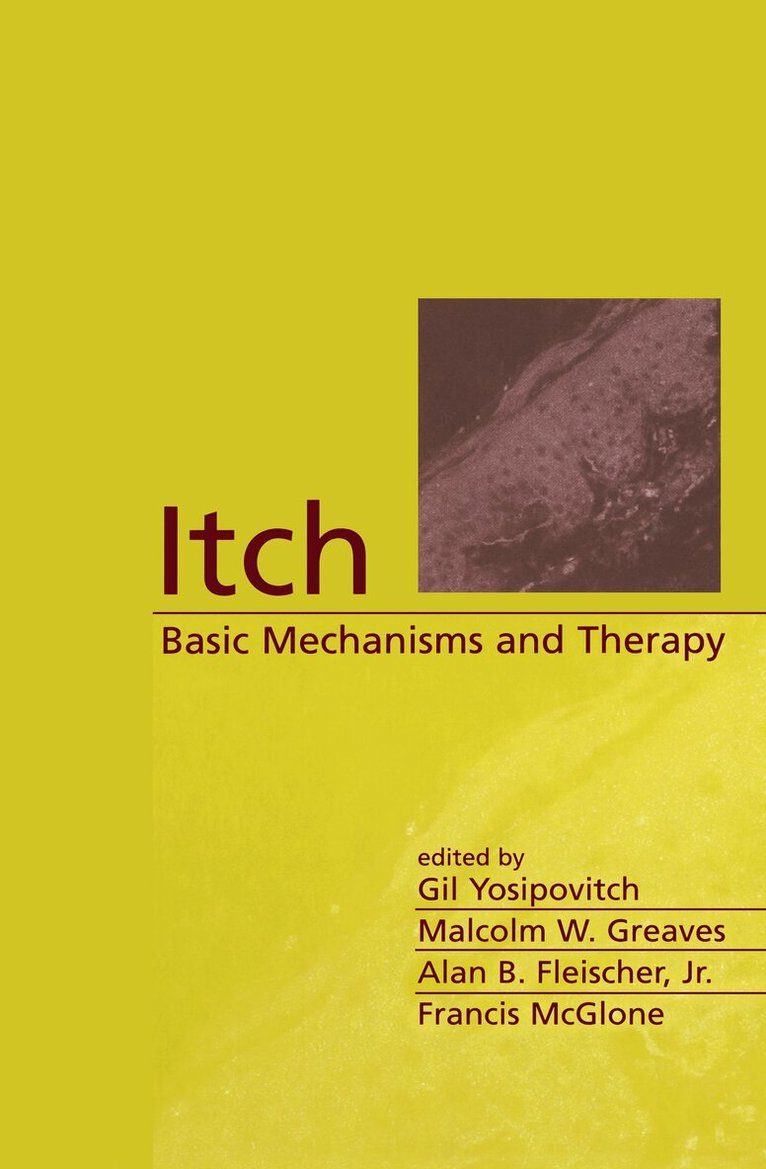
Offering details on the pharmacology of itch, techniques of itch evaluation, and neurogenic itch, this reference presents new concepts in the neurophysiology and central mechanisms of itch, animal models of itch, and processing of histamine itch in the human cerebral cortex. The text clarifies itch in systemic and skin disease, exploring renal itch, uremic pruritus, lichen amyloidosis and more.
201 kr
Tillfälligt slut
We have all experienced itch, whether from insect bites or dry skin, but millions of people worldwide have chronic or even intractable itch. Just like chronic pain, chronic itch interferes with a person's ability to function-and even affects quality of life. Living with Itch offers relief, drawing on the authors' vast knowledge of itch, the suffering it causes, and available treatments. Itch researchers and clinicians Drs. Gil Yosipovitch and Shawn G. Kwatra explain the cascade of physiological events that causes us to experience itch. They describe the many skin diseases, from atopic dermatitis (eczema) to psoriasis, and conditions like chronic kidney disease, lymphoma, HIV, and neuropathies that cause itch. Living with Itch provides information on preventing itch as well as topical and systemic ways to treat it. Patient and parent narratives illustrate how people cope with itch and how, with medical and social support, itch can be managed.
601 kr
Skickas inom 7-10 vardagar
Find relief from acute or chronic itch in this comprehensive guide—now completely updated!When should you scratch—and when should you let an itch be? Living without Itch offers the millions of people suffering from itch an essential and updated guide on how to find relief from their suffering. Researcher and clinician Gil Yosipovitch, MD, draws from his decades of experience caring for patients to share a treasure trove of easy-to-understand information to educate readers on how to manage their itchy conditions. This book comprehensively covers both acute and chronic itchy conditions, from hives, psoriasis, and eczema, to systemic and neurologic diseases, as well as recommendations for treatment options. Patients share their lived experiences and advice, while contributions from multi-disciplinary experts in nursing, psychology, and alternative medicine provide unique approaches to managing itch. This new edition includes:• Updated information about the itch pathway—why it occurs and the cascade of events that result in itch• Newly available FDA-approved treatments • Special considerations for populations such as individuals undergoing immunotherapy for cancer • Recommendations for lifestyle interventions, including nutrition, psychotherapy, allergy medications, and behavioral changes Completely revised and updated to include important developments in the field since the last edition's publication, this guide provides the information you need to understand, prevent, and manage itch.Contributors: David Baker, Rachael Bronstein, Kyle Bruner, Denis Eirikis, Juan Gonzales, Peter Lio, Chip Newton, Christina Schut
248 kr
Skickas inom 7-10 vardagar
Find relief from acute or chronic itch in this comprehensive guide—now completely updated!When should you scratch—and when should you let an itch be? Living without Itch offers the millions of people suffering from itch an essential and updated guide on how to find relief from their suffering. Researcher and clinician Gil Yosipovitch, MD, draws from his decades of experience caring for patients to share a treasure trove of easy-to-understand information to educate readers on how to manage their itchy conditions. This book comprehensively covers both acute and chronic itchy conditions, from hives, psoriasis, and eczema, to systemic and neurologic diseases, as well as recommendations for treatment options. Patients share their lived experiences and advice, while contributions from multi-disciplinary experts in nursing, psychology, and alternative medicine provide unique approaches to managing itch. This new edition includes:• Updated information about the itch pathway—why it occurs and the cascade of events that result in itch• Newly available FDA-approved treatments • Special considerations for populations such as individuals undergoing immunotherapy for cancer • Recommendations for lifestyle interventions, including nutrition, psychotherapy, allergy medications, and behavioral changes Completely revised and updated to include important developments in the field since the last edition's publication, this guide provides the information you need to understand, prevent, and manage itch.Contributors: David Baker, Rachael Bronstein, Kyle Bruner, Denis Eirikis, Juan Gonzales, Peter Lio, Chip Newton, Christina Schut
2 164 kr
Skickas inom 10-15 vardagar
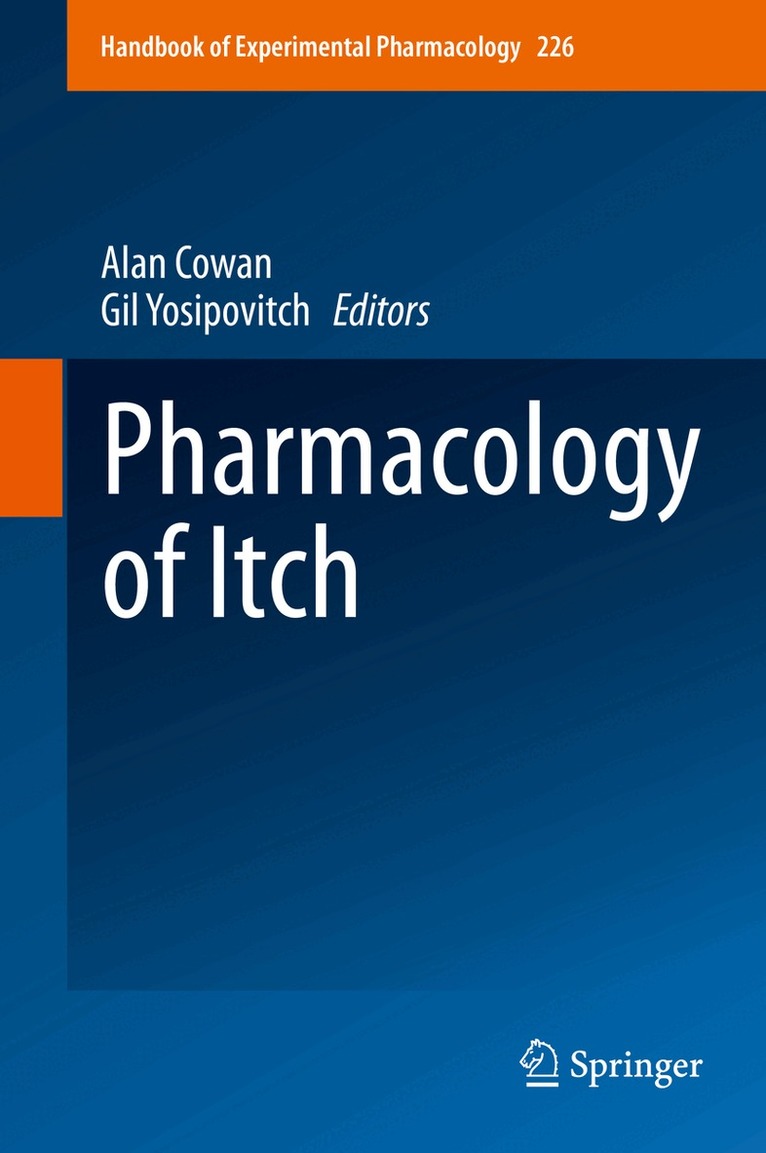
Basic research on the pharmacology of itch has exploded in the wake of two very influential papers that were published in Nature (2007) and Science (2009). Long overlooked as a milder form of pain, itching has rapidly gained a new appreciation in both research and clinical communities because of its complexity and its negative effects on the quality of life of the distressed patients. Like pain, not all itches are the same. Unlike pain, there are no standard drugs equivalent to aspirin and morphine. Epidemiological studies emphasize the high incidence and economic costs of itch (pruritus). It is the most prevalent symptom of a wide variety of allergic and inflammatory skin conditions (e.g., psoriasis, atopic dermatitis), is associated with several systemic diseases (e.g., chronic kidney and liver disease), and occurs in patients undergoing hemodialysis, spinal administration of opioids, and in those suffering from AIDS. The reader will learn about the multiple pathways for itch and their interactions with pain. The relationship between these closely related, yet distinct sensory phenomena, will be emphasized. Both itch and pain use several common molecules to send signals to the brain. Thus, drugs that have been, and are being, developed as analgesics may also attenuate intractable itch. This has been an exciting and very necessary turn of events since traditional H-1 receptor antagonists are ineffective in blocking the pruritus associated with kidney failure and cholestasis. The clinical chapters will provide insights into contemporary treatment regimens for pruritus in different human scenarios.
2 164 kr
Skickas inom 10-15 vardagar
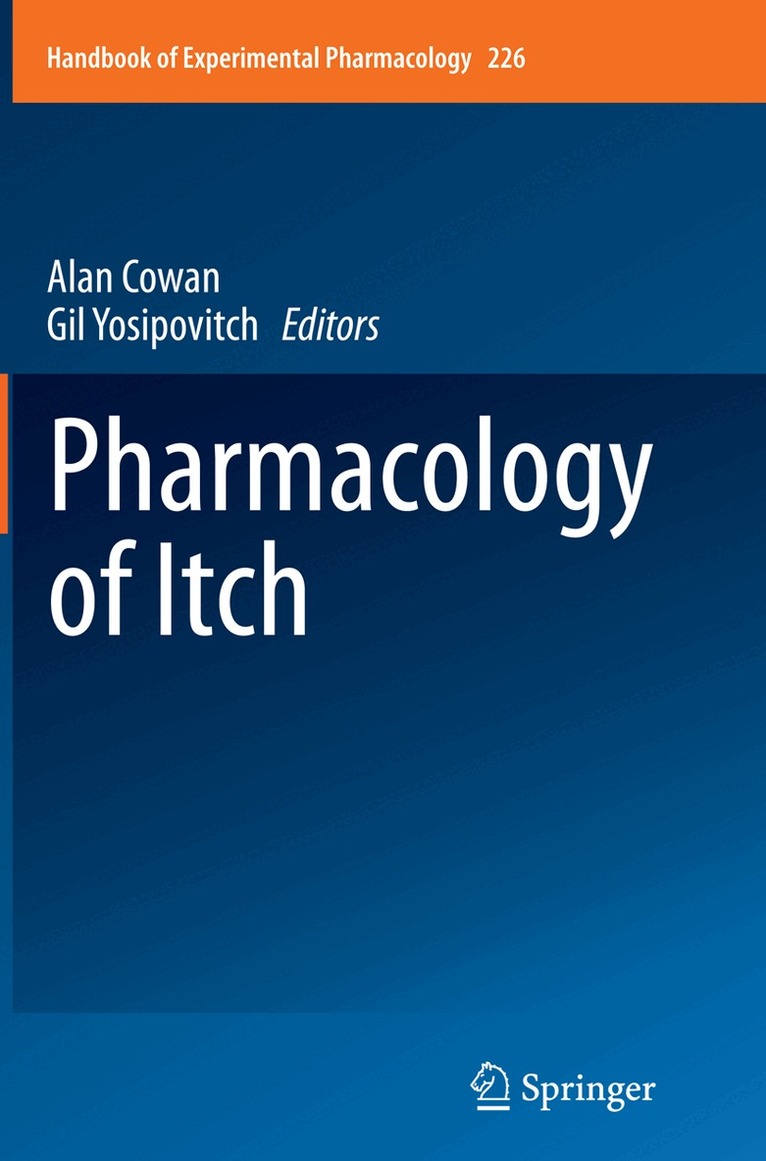
Basic research on the pharmacology of itch has exploded in the wake of two very influential papers that were published in Nature (2007) and Science (2009). Long overlooked as a milder form of pain, itching has rapidly gained a new appreciation in both research and clinical communities because of its complexity and its negative effects on the quality of life of the distressed patients. Like pain, not all itches are the same. Unlike pain, there are no standard drugs equivalent to aspirin and morphine. Epidemiological studies emphasize the high incidence and economic costs of itch (pruritus). It is the most prevalent symptom of a wide variety of allergic and inflammatory skin conditions (e.g., psoriasis, atopic dermatitis), is associated with several systemic diseases (e.g., chronic kidney and liver disease), and occurs in patients undergoing hemodialysis, spinal administration of opioids, and in those suffering from AIDS. The reader will learn about the multiple pathways for itch and their interactions with pain. The relationship between these closely related, yet distinct sensory phenomena, will be emphasized. Both itch and pain use several common molecules to send signals to the brain. Thus, drugs that have been, and are being, developed as analgesics may also attenuate intractable itch. This has been an exciting and very necessary turn of events since traditional H-1 receptor antagonists are ineffective in blocking the pruritus associated with kidney failure and cholestasis. The clinical chapters will provide insights into contemporary treatment regimens for pruritus in different human scenarios.