Gilbert Márkus – författare
Visar alla böcker från författaren Gilbert Márkus. Handla med fri frakt och snabb leverans.
5 produkter
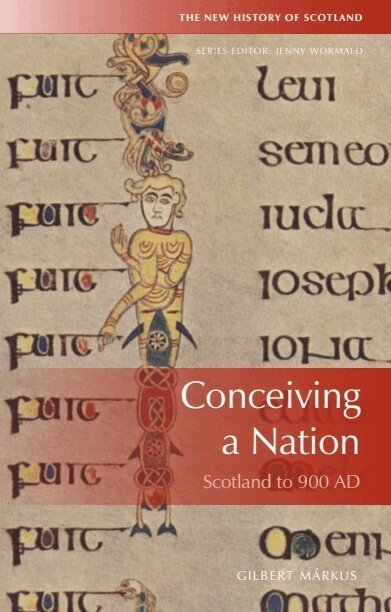
Conceiving a Nation
Scotland to AD 900
Inbunden, 2017
1883 kr
Lägg i varukorg
Gilbert Markus brings a stimulating approach to studying this elusive period, analysing both its litter of physical evidence and literary sources, as a method of shedding light on the reality of the period. In doing so, he reforms our historical perceptions of what has often been dismissed as a …
Conceiving a Nation
Scotland to AD 900
Häftad, 2017
592 kr
Lägg i varukorg
This new edition in The New History of Scotland series, replacing Alfred Smyth’s Warlords and Holy Men (1984), covers the history of Scotland in the period up to 900 AD. A great deal has changed in the historiography of this period in the intervening three decades: an entire Pictish kingdom has …
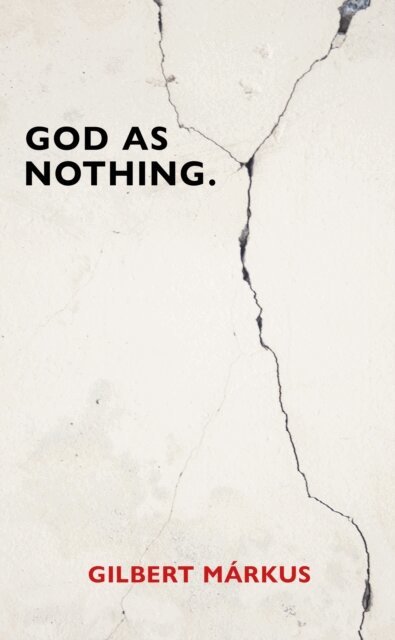
God as Nothing
Why 'Does God exist?' may be the wrong question
Häftad, 2025
187 kr
Lägg i varukorg
This eloquent new book of philosophical theology challenges and aims to remedy the underlying assumption of both believers and atheists that their arguments depend on proof that God either exists or doesn’t exist. It is a controversy conducted in misleading terms – as if atheists believed in all …
God as Nothing
Why 'Does God exist?' may be the wrong question
E-bok, 2025
129 kr
Lägg i varukorg
A highly original new book that challenges the underlying assumption of both believers and atheists that their arguments depend on proof that God either exists or that God doesn't exist Deftly underscores a long tradition in Jewish and Christian writings of viewing God not as a particular entity, …