Gill Jepson - Böcker
Visar alla böcker från författaren Gill Jepson. Handla med fri frakt och snabb leverans.
10 produkter
10 produkter
178 kr
Skickas
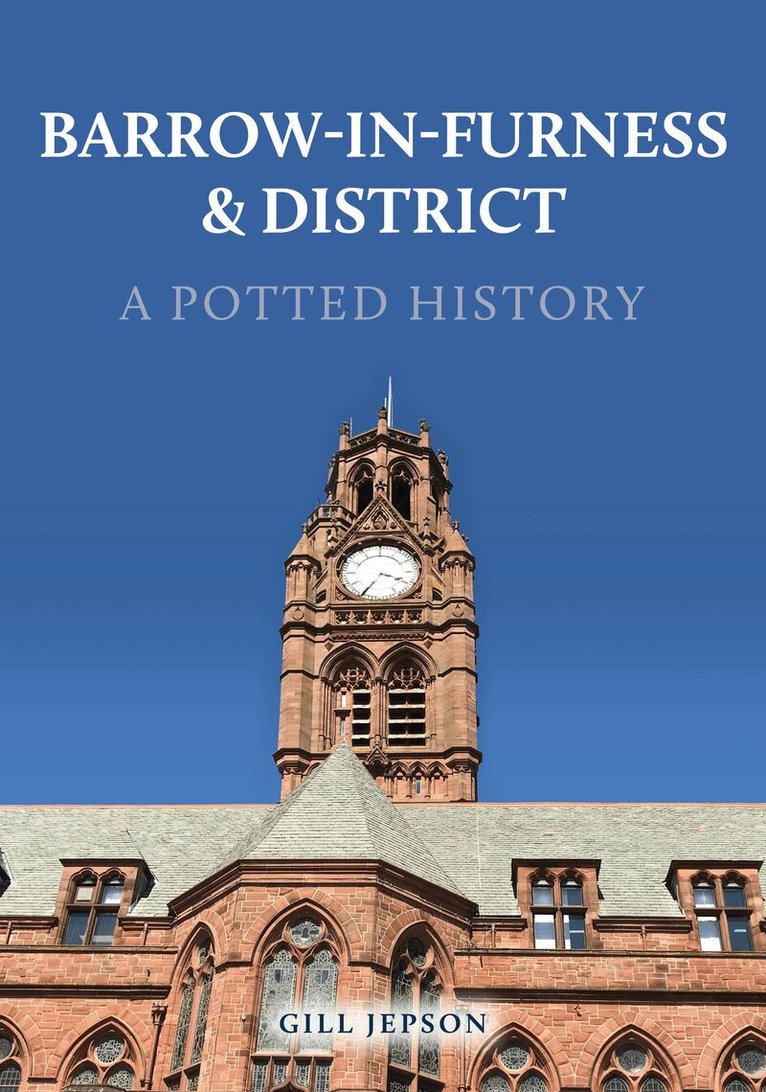
In the Middle Ages, Barrow was a small settlement close to Furness Abbey. The Furness peninsula is still a largely rural area, and Furness Abbey is now a ruin, but the town of Barrow-in-Furness grew during the Industrial Revolution to become an important steel producer and exporter, exploiting the mineral deposits in mines nearby and its position on the coast. Later it became a major manufacturer of naval vessels, best known today for building Royal Navy submarines. The monastic movement played an important part in the settlement and economy of medieval Furness, not only at Furness Abbey but also Conishead Priory, alongside the manorial system. Over the centuries the area experienced Scottish incursion and other invasions, piracy and smuggling, plague, uprisings, the Dissolution of the Monasteries, Civil War battles, the Quaker movement, the attention of Romantic writers and artists, railways and industrialisation and the effect of both World Wars.Illustrated throughout, this accessible historical portrait of the transformation that Barrow and the surrounding area has undergone through the ages will be of great interest to residents, visitors and all those with links to the area.
172 kr
Kommande
As Barrow was a ‘new’ town which developed very abruptly in the nineteenth century, living conditions were extremely primitive. Sanitation was non-existent, housing piecemeal and temporary, and public services absent. It was essentially a frontier town and with that came poverty, crime and disease. Jobs, particularly mining, were often dangerous or poorly paid. Political movements agitated and caused violence and the harbour at Piel was the site of many incidents of smuggling and even piracy. Poverty was rife and workhouse buildings are still in existence. Public health in the late nineteenth and early twentieth century was problematic, with outbreaks of disease dealt with in isolation hospital and by closing schools. More recently a dreadful breakout of Legionnaires' disease killed numerous people. Further back in time Furness Abbey witnessed plague, murder, violence and debauchery, superstition abounded in the area and supernatural encounters bear witness to this history.In A Dark History of Barrow-in-Furness author Gill Jepson delves into the often lesser known but darker stories from Barrow-in-Furness’s past. This fascinating insight into Barrow-in-Furness will be of interest to all those who want to know more about the town’s remarkable history.
178 kr
Skickas
Barrow-in-Furness is a small post-industrial town at the end of a long peninsula in the north of England. Its isolated location has produced a stalwart and close population. It started life as a small hamlet and grew to become an industrial leader, first in iron and steel and later in ship-building and engineering, drawing a workforce from all over the country. The ship-building industry continues to be a major employer but today there is less diversity than in Barrow’s heyday.Although the town is known for its industry, it sits in one of the most beautiful areas of Cumbria. It boasts a rich heritage and spectacular views to the Lake District and across Morecambe Bay and, surrounded on three sides by the sea, it enjoys its own temperate climate. Furness Abbey was a great influence on the area in the medieval period and there are castles, churches, monuments and memories just waiting to be discovered by the unsuspecting visitor.
178 kr
Skickas inom 11-20 vardagar
Barrow-in-Furness has many secrets hidden in plain sight, from its earliest history to the present day. The land where ‘the lakes meet the sea’ provides an ancient rural backdrop revealing mysteries and tales wrapped in the mists of time, from mysterious monastic murder to raids by Robert the Bruce. It was a place popular with the Romantics; William Wordsworth visited Furness Abbey and allegedly carved his initials into the sandstone. In the municipal cemetery lies the body of an Italian countess, Mary Pepi, and her husband, Rino, a Victorian music hall quick-change artist. In the same graveyard is a memorial for James Gall, a survivor of the SS Forfarshire, who was rescued by Grace Darling and lived until his eighties. Barrow claims a number of famous sons and daughters, including Liverpool and England footballer Emlyn Hughes, erstwhile editor of The Independent Chris Blackhurst, Hairy Biker Dave Myers, and Dame Stella Rimington, former Director General of MI5.The little town at the ‘end of a cul-de-sac’ has many secrets just waiting to be discovered, and in Secret Barrow-in-Furness local author and historian Gill Jepson pulls back the curtains of history to reveal the forgotten, the strange, and the unlikely.
173 kr
Skickas inom 11-20 vardagar
In the early nineteenth century Barrow-in-Furness was a small village of 200 people, but within forty years its population had risen to almost 50,000. It became a hive of Victorian enterprise and industry and gained an almost frontier reputation, coining the nickname ‘the Chicago of the North’. The discovery of iron ore and subsequent opening of the Furness Railway led to the development and growth of shipbuilding for which Barrow is famous. This growth accelerated until the First World War, but the iron and steel industry had started to flag after the Second World War, leaving the Vickers shipyard as the town’s main employer, though the end of the Cold War would in turn lead to defence spending cuts and job losses, the shipyard later rallying with Trident. Barrow as a post-industrial town has had to show innovation and the will to adapt and change.Barrow-in-Furness at Work explores the life of this Cumbrian town and its people, from pre-industrial beginnings through to the present day. In a fascinating series of contemporary photographs and illustrations, it looks at the impact that the Industrial Revolution had on the population and the consequences of rapid urbanisation, the changes in the industrial landscape during the Victorian era, the devastating impact of war, the postwar decline of its traditional industries and the town’s twenty-first-century reinvention as a hub of sustainable energy generation.
178 kr
Skickas inom 11-20 vardagar
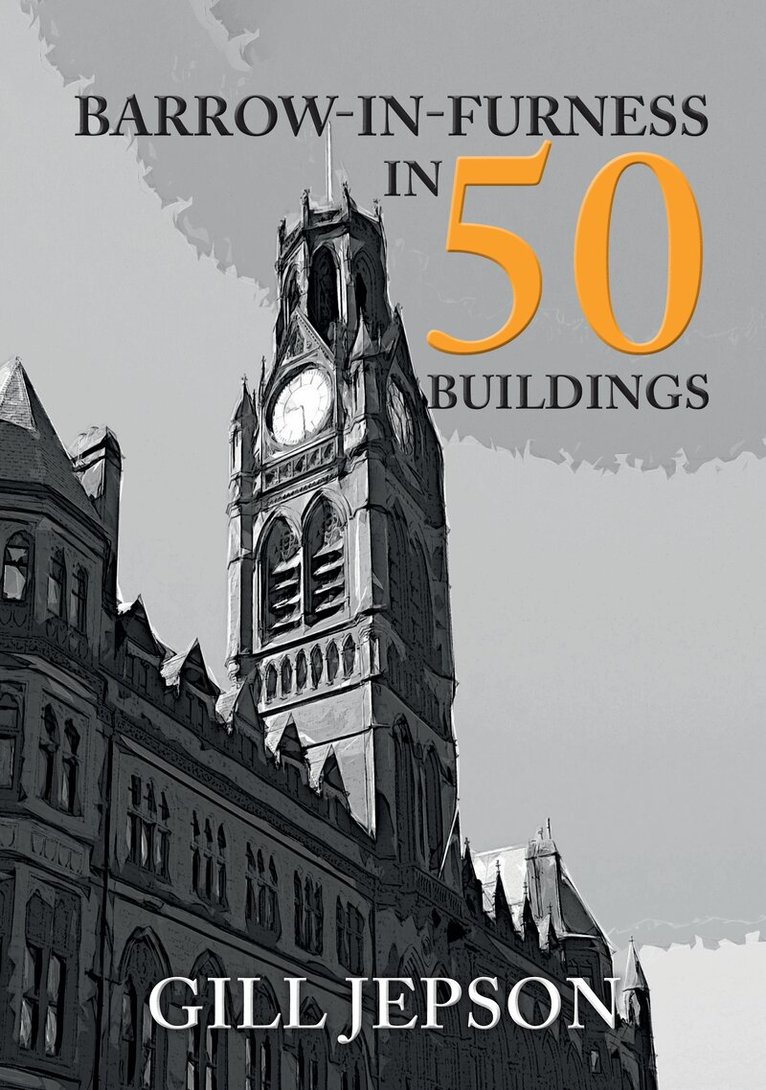
Barrow-in-Furness was transformed by the industrial expansion of the nineteenth and twentieth centuries, leading to it becoming a centre for ship and submarine building. Located at the tip of a peninsula, known for its own micro-climate and a rich and varied natural environment, the townscape is surrounded by sea, and beyond that the Lakeland Hills, while the protective arms of Walney Island provide a natural channel and harbour. Nature sits alongside industry and heritage. The iron ore industry once scarred the landscape, but time and new growth have disguised the marks. Farming is still a crucial factor in Barrow and you do not have to stray far to discover old abbey granges still functioning yet diversifying.In this book, Gill Jepson provides a fascinating insight into Barrow’s places, events and its famous sons and daughters. Among them are footballer Emlyn Hughes, rugby player Willie Horne, Isle of Man TT racer Eddie Crooks, portrait artist George Romney, and the chef and ‘Hairy Biker’ Dave Myers. Discover the stories behind buildings including the magnificent Victorian Town Hall, the terraced houses and tenements, and gems of medieval architecture including Furness Abbey, Piel Castle and Dalton Castle.
178 kr
Skickas inom 11-20 vardagar
The Lake District is by far the UK’s most popular national park. Every year some 15 million people come here to explore the region’s fells and countryside and it’s not hard to see why. Ever since the Romantic poets arrived in the nineteenth century, its panorama of craggy hilltops, mountain tarns and glittering lakes have been stirring the imaginations of visitors. Among the many writers who found inspiration here are William Wordsworth, Samuel Taylor Coleridge, Arthur Ransome and, of course, Beatrix Potter – a lifelong lover of the Lakes.Lake Windermere is the largest of the lakes and this fascinating collection of old and new pictures shows how much has changed around the lake’s shores. It also features nearby Coniston Water and Grasmere as well as the main tourist centres of Ambleside, Bowness-on-Windermere, Coniston and Windermere village.
178 kr
Skickas
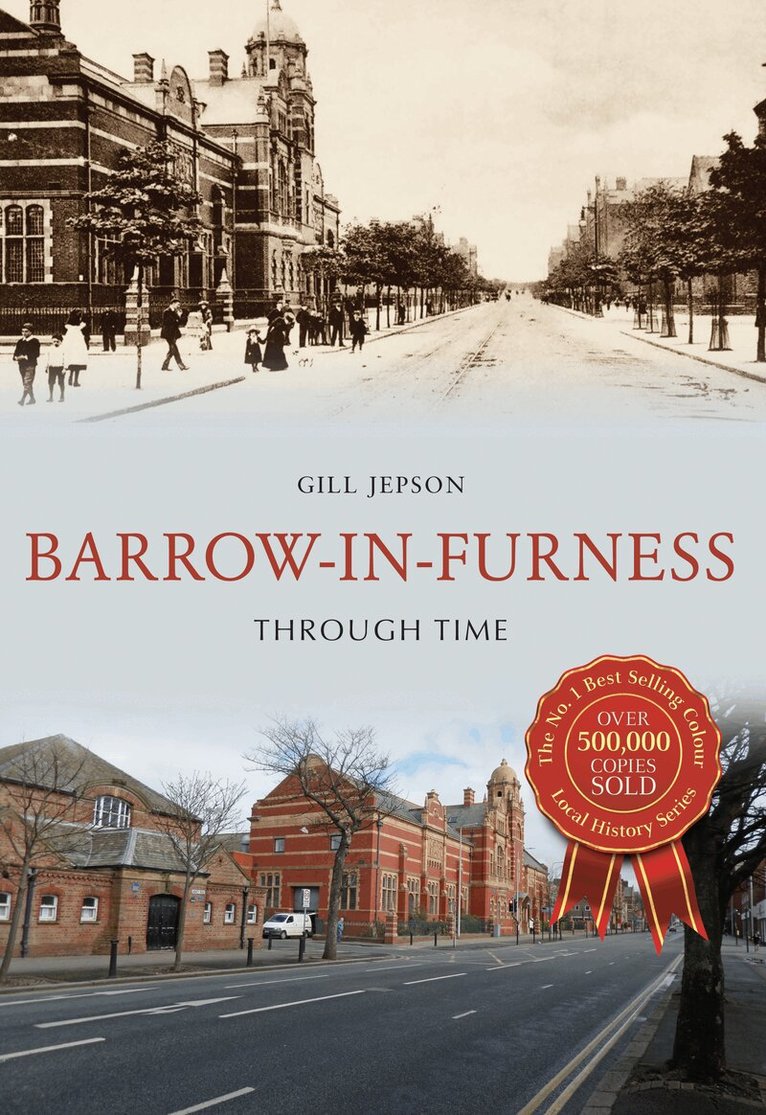
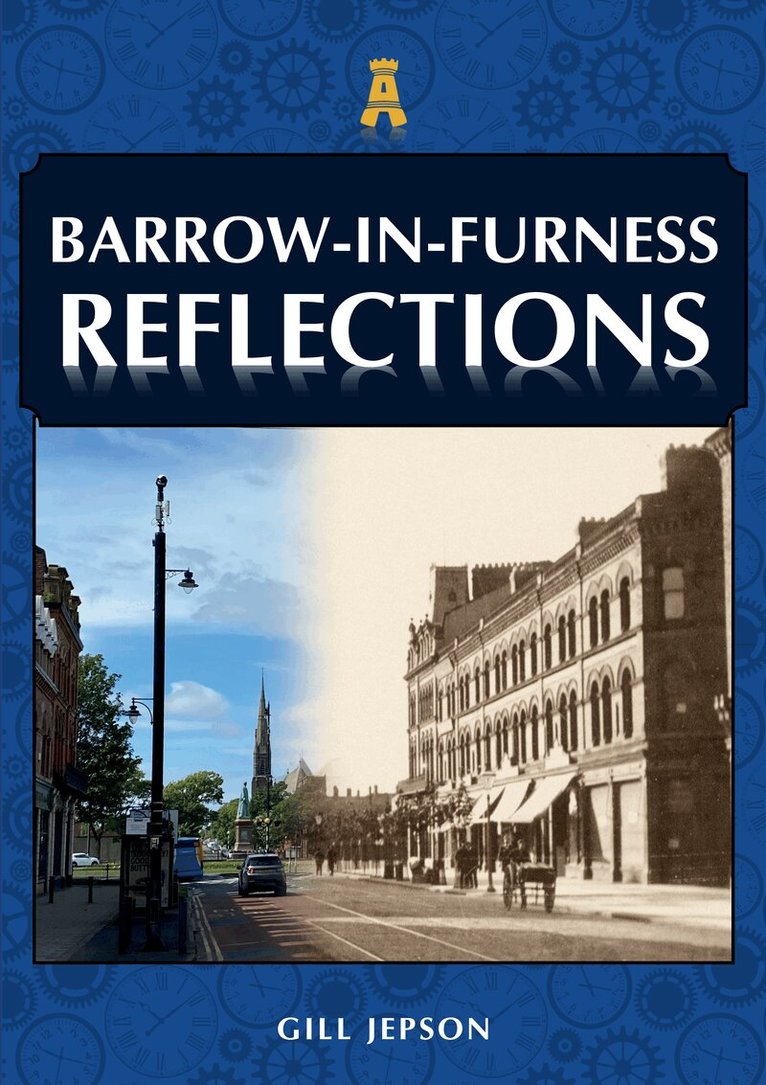
Barrow-in-Furness and its surroundings have changed rapidly over the last century and a half. The contrast between the old and the new is stark, and nowhere is that better illustrated than in the photographs featured in this book. Focusing on themes including work, transport, entertainment, buildings and leisure, author Gill Jepson chronicles the changing face of the town across the decades.The transformation from agriculture to industry and the movement of the urban centres is fascinating. The old occupations of iron ore mining have given way to the newer ones of submarine building and renewable energy. The landscape is testament to the rapid growth of the town and its infrastructure, and there are numerous images that illustrate quieter and more agrarian times. Barrow Island, now home to a shipyard, was once a rural estate with just one house - the Michaelson mansion. Many old buildings were swept away under regeneration plans in the 1960s and 1970s and some of these too have now disappeared. The town is forever changing and meeting the requirements of the modern age and yet echoes the old-world filter here and there, reminding us of a time gone by.
175 kr
Skickas inom 5-8 vardagar
229 kr
Skickas inom 5-8 vardagar