Gilles Veinstein – författare
Visar alla böcker från författaren Gilles Veinstein. Handla med fri frakt och snabb leverans.
6 produkter
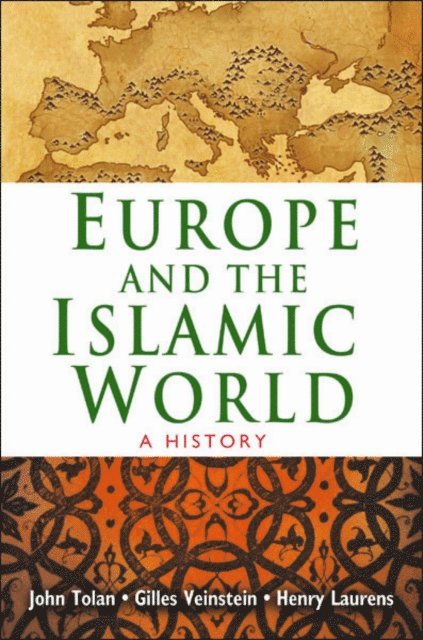
Europe and the Islamic World
A History
Av John Tolan, Henry Laurens m. fl.
Inbunden, 2012
624 kr
Lägg i varukorg
Europe and the Islamic World sheds much-needed light on the shared roots of Islamic and Western cultures and on the richness of their inextricably intertwined histories, refuting once and for all the misguided notion of a "clash of civilizations" between the Muslim world and Europe. In this …
Europe and the Islamic World
A History
Av John Tolan, Henry Laurens m. fl.
Häftad, 2015
333 kr
Lägg i varukorg
Europe and the Islamic World sheds much-needed light on the shared roots of Islamic and Western cultures and on the richness of their inextricably intertwined histories, refuting once and for all the misguided notion of a "clash of civilizations" between the Muslim world and Europe. In this …
Etat et société dans l’Empire Ottoman, XVIe-XVIIIe siècles
La terre, la Guerre, les Communautés
Inbunden, 1994
789 kr
Lägg i varukorg
The first group of studies in this volume tackles the controversial question of the nature of the Ottoman landholding system and the extent to which large estates, the çiftlik, emerged as a reaction to the increasing Western European demand for Ottoman agricultural produce. The following section …
Europe and the Islamic World
A History
Av Gilles Veinstein, Henry Laurens m. fl.
E-bok, 2012
441 kr
Lägg i varukorg
A sweeping history of Islam and the West from the seventh century to today Europe and the Islamic World sheds much-needed light on the shared roots of Islamic and Western cultures and on the richness of their inextricably intertwined histories, refuting once and for all the misguided notion of a …
Les Voies d'Allah: Les ordres mystiques dans le monde musulman des origines à aujourd'hui
Av Alexandre Popovic, Gilles Veinstein
Häftad, 2022
1130 kr
Lägg i varukorg
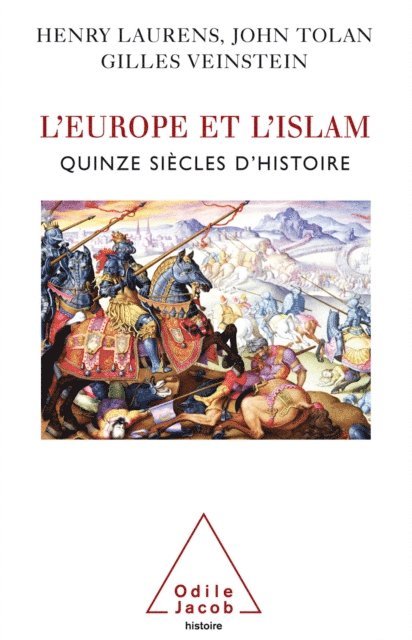
L' Europe et l’Islam
Quinze siècles d’histoire
Av Gilles Veinstein, John Tolan m. fl.
E-bok, 2009
208 kr
Lägg i varukorg
Voici l’histoire d’une relation tumultueuse sans laquelle il est impossible de comprendre notre temps. La conquête arabe, la décomposition de Byzance, les croisades, l’Espagne maure et la Reconquista, les échanges et les conflits du XVIIIe siècle, l’Empire ottoman, la colonisation européenne et la …