Gisela Holfter – författare
Visar alla böcker från författaren Gisela Holfter. Handla med fri frakt och snabb leverans.
6 produkter
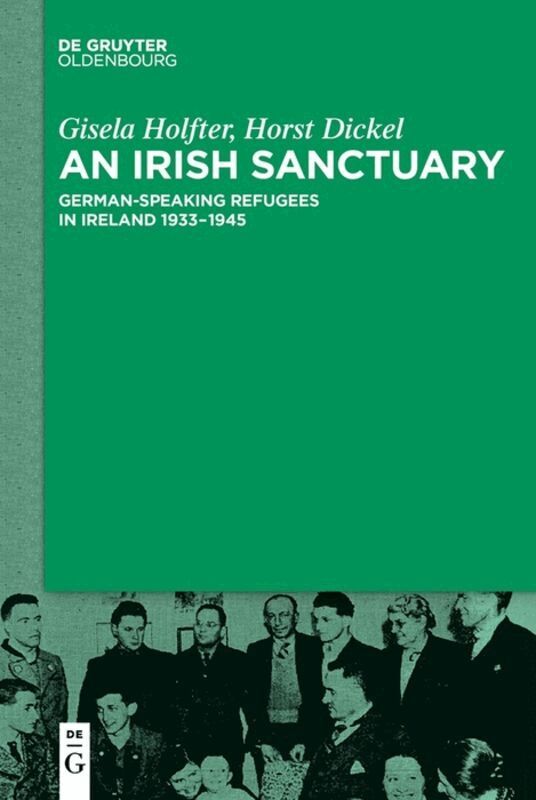
Irish Sanctuary
German-speaking Refugees in Ireland 1933–1945
Av Gisela Holfter, Horst Dickel
Inbunden, 2016
1114 kr
Lägg i varukorg
The monograph provides the first comprehensive, detailed account of German-speaking refugees in Ireland 1933-1945 - where they came from, immigration policy towards them and how their lives turned out in Ireland and afterwards. Thanks to unprecedented access to thousands of files of the Irish …
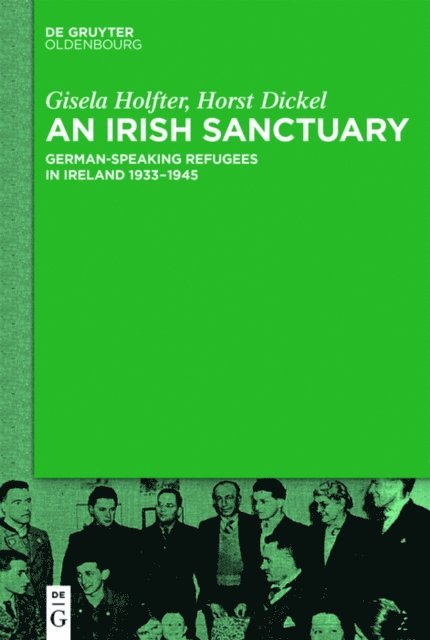
Irish Sanctuary
German-speaking Refugees in Ireland 1933–1945
Av Horst Dickel, Gisela Holfter
E-bok, 2016
1124 kr
Lägg i varukorg
The monograph provides the first comprehensive, detailed account of German-speaking refugees in Ireland 1933-1945 - where they came from, immigration policy towards them and how their lives turned out in Ireland and afterwards. Thanks to unprecedented access to thousands of files of the Irish …
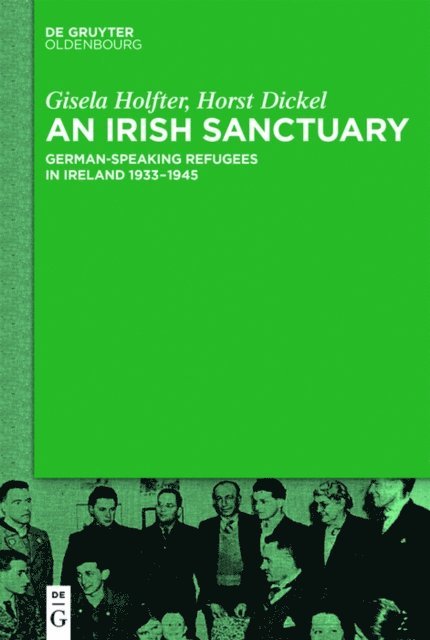
Irish Sanctuary
German-speaking Refugees in Ireland 1933–1945
Av Horst Dickel, Gisela Holfter
E-bok, 2016
1124 kr
Lägg i varukorg
The monograph provides the first comprehensive, detailed account of German-speaking refugees in Ireland 1933-1945 - where they came from, immigration policy towards them and how their lives turned out in Ireland and afterwards. Thanks to unprecedented access to thousands of files of the Irish …
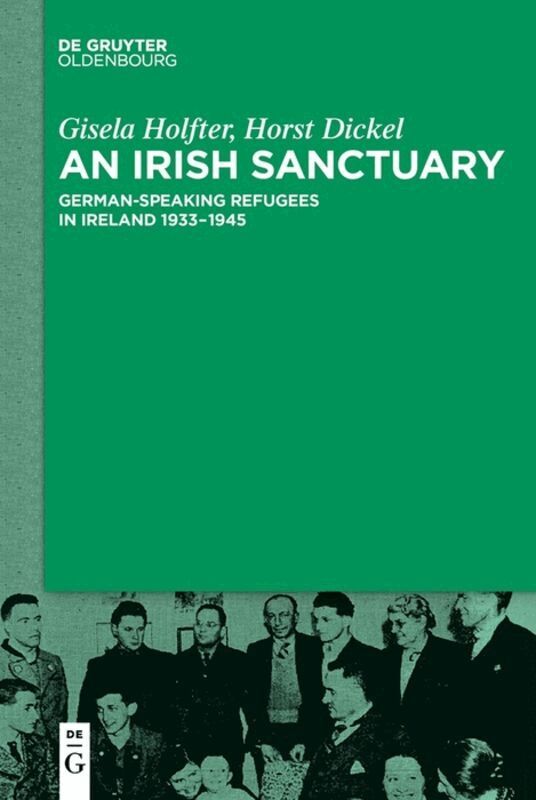
Irish Sanctuary
German-speaking Refugees in Ireland 1933–1945
Av Gisela Holfter, Horst Dickel
Häftad, 2018
441 kr
Lägg i varukorg
The monograph provides the first comprehensive, detailed account of German-speaking refugees in Ireland 1933-1945 - where they came from, immigration policy towards them and how their lives turned out in Ireland and afterwards. Thanks to unprecedented access to thousands of files of the Irish …
German-speaking Exiles in Ireland 1933-1945
Inbunden, 2006
1418 kr
Lägg i varukorg
German-speaking Exiles in Ireland 1933-1945 is a pioneering study of the impact the German-speaking exiles of the Hitler years had on Ireland as the first large group of immigrants in the country in the twentieth century. It therefore adds an important yet hitherto virtually unknown Irish dimension …
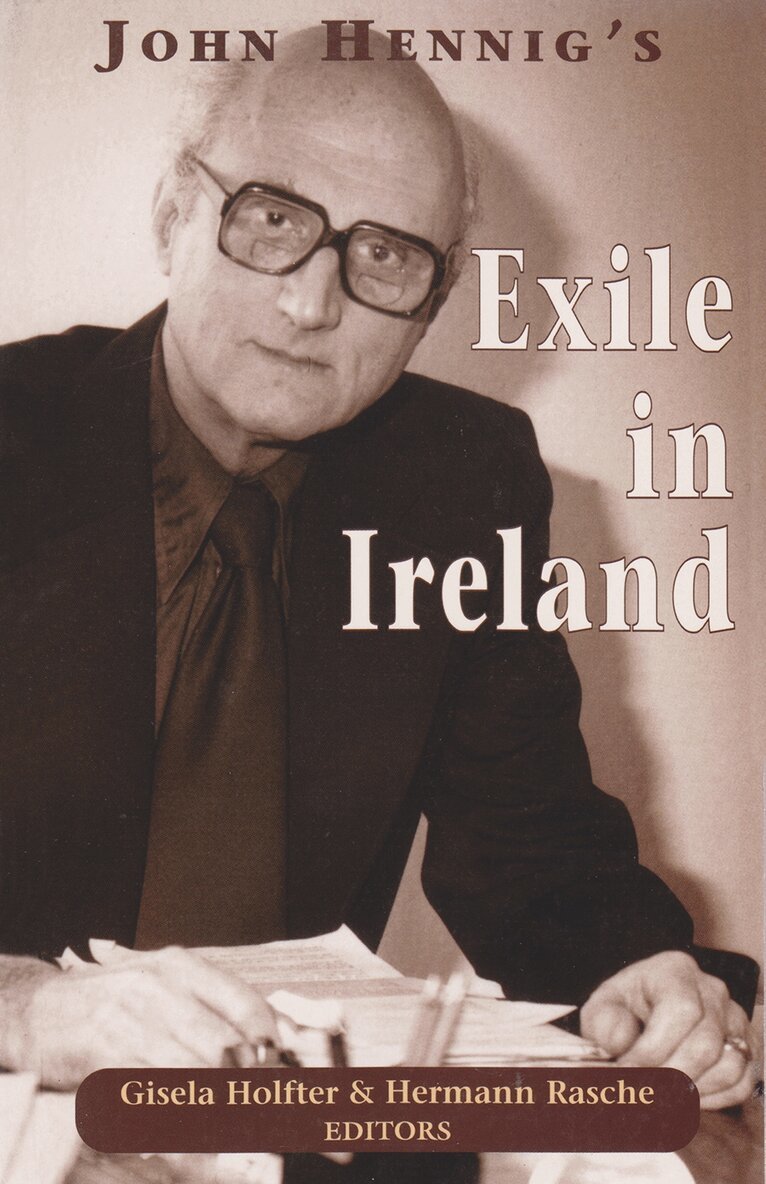
John Hennig's Exile in Ireland
Av Gisela Holfter, Hermann Rasche
Häftad, 2006
229 kr
Tillfälligt slut
John Hennig (1911-1986) was a German scholar who was forced to flee Nazi Germany in 1939 with his family. They found refuge in Ireland where they stayed until 1956. During that period Hennig made a significant impression on Irish society, as Ireland did on him. He wrote and published extensively …