G.L Kimsma – författare
Visar alla böcker från författaren G.L Kimsma. Handla med fri frakt och snabb leverans.
5 produkter
5 produkter
E-bok
PDF, Engelska, 20081 367 kr
Läs direkt efter köp
claim was that he had faced a conflict of duties pitting his legal duty not to kill against his duty as a physician to relieve his patient’s unbearable suffering. He was acquitted on the important grounds of conflict of duty. These grounds are based on a concept in Dutch law called "force majeure" 4 which recognizes extenuating circumstances such as conflicts of duty. The acquittal was upheld by the Lower Court of Alkmaar, but revoked by an Amsterdam court of appeal. The case went on to the Supreme Court, but before the Supreme Court''s decision was issued, the Royal Dutch Medical Association (RDMA) attempted to clarify the criteria for euthanasia that many within the profession already accepted. The RDMA proposed that physicians be permitted to perform euthanasia provided that a set of procedures had been met. Variously stated, the guidelines contain the following central provisions: Voluntary, competent, explicit, and persistent requests on the part of the • patient; Requests based on full information; • The patient is in a situation of intolerable and hopeless suffering (either • physical or mental); No further acceptable alternatives to euthanasia. All alternatives • acceptable to the patient for relief of suffering having been tried; Consultation with at least one other physician whose judgment can be • 5 expected to be independent. Indirectly, these guidelines became the criteria prosecutors used to decide whether or not to bring charges.
Inbunden, Engelska, 1990
1 082 kr
Skickas inom 10-15 vardagar
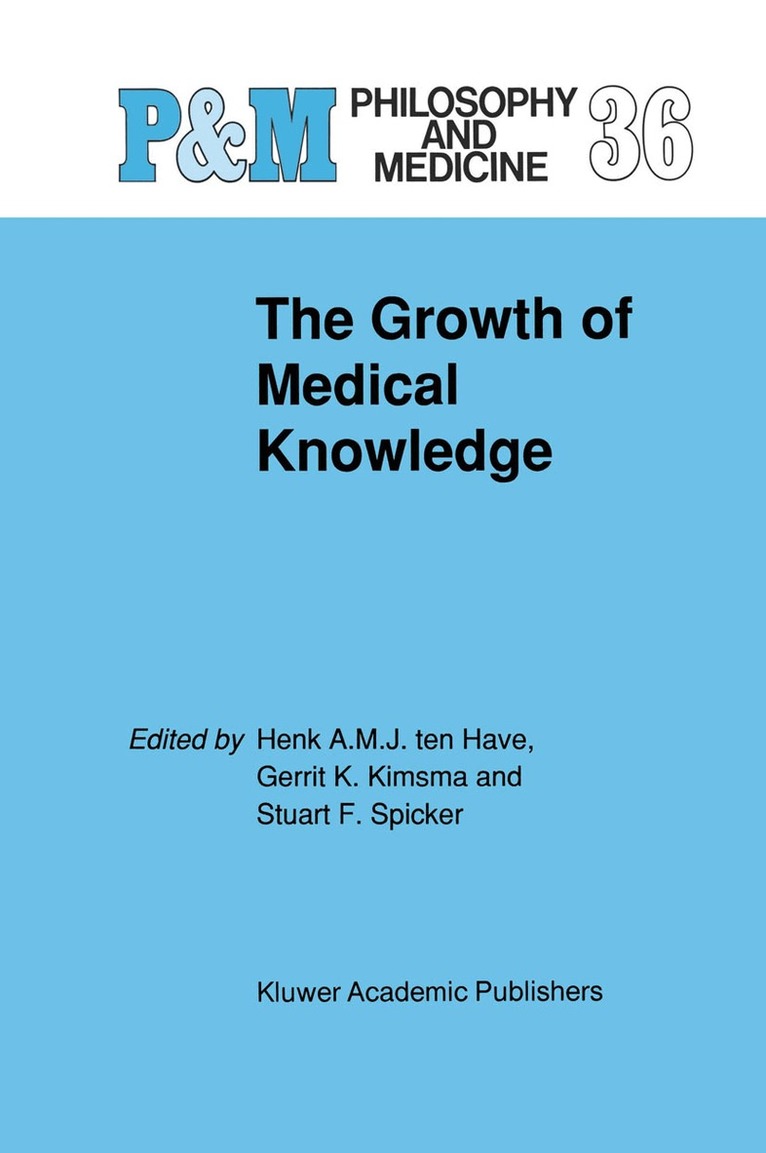
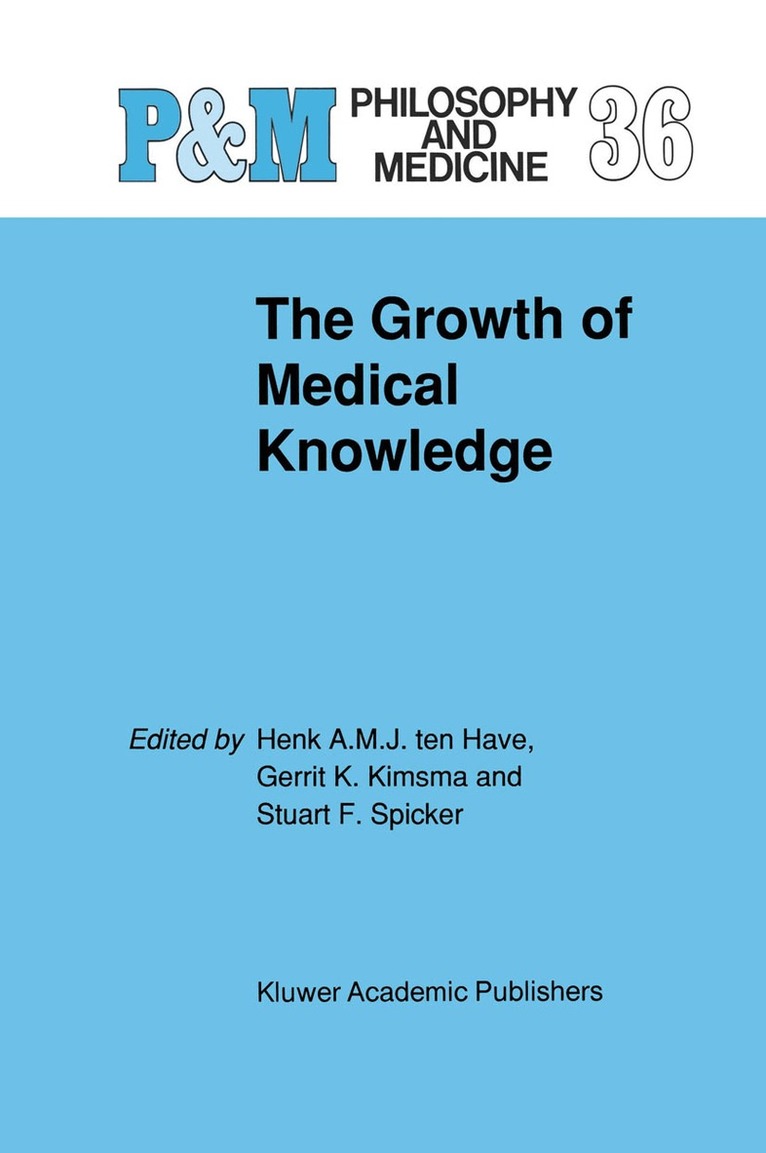
The growth of knowledge and its effects on the practice of medicine have been issues of philosophical and ethical interest for several decades and will remain so for many years to come. The outline of the present volume was conceived nearly three years ago. In 1987, a conference on this theme was held in Maastricht, the Netherlands, on the occasion of the founding of the European Society for Philosophy of Medicine and Health Care (ESPMH). Most of the chapters of this book are derived from papers presented at that meeting, and for the purpose of editing the book Stuart Spicker, Ph. D. , joined two founding members of ESPMH, Henk ten Have and Gerrit Kimsma. The three of them successfully brought together a number of interesting contribu tions to the theme, and ESPMH is grateful and proud to have initiated the production of this volume. The Society intends that annual meetings be held in different European countries on a rotating basis and to publish volumes related to these meetings whenever feasible. In 1988, the second conference was held in Aarhus, Denmark on "Values in Medical Decision Making and Resource Allocation in Health Care". In 1989, a meeting was held in Czestochowa, Poland, on "European Traditions in Philosophy of Medicine. From Brentano to Bieganski". It is hoped that these conferences and the books to be derived from them, will initiate a new European tradition, lasting well into the 21 st century! P. J.
Häftad, Engelska, 1998
1 082 kr
Skickas inom 10-15 vardagar
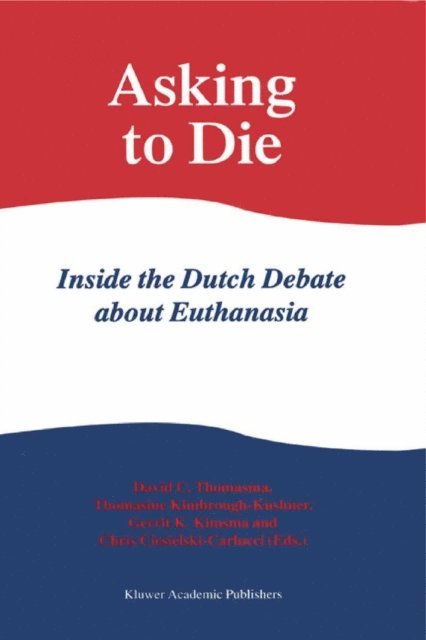
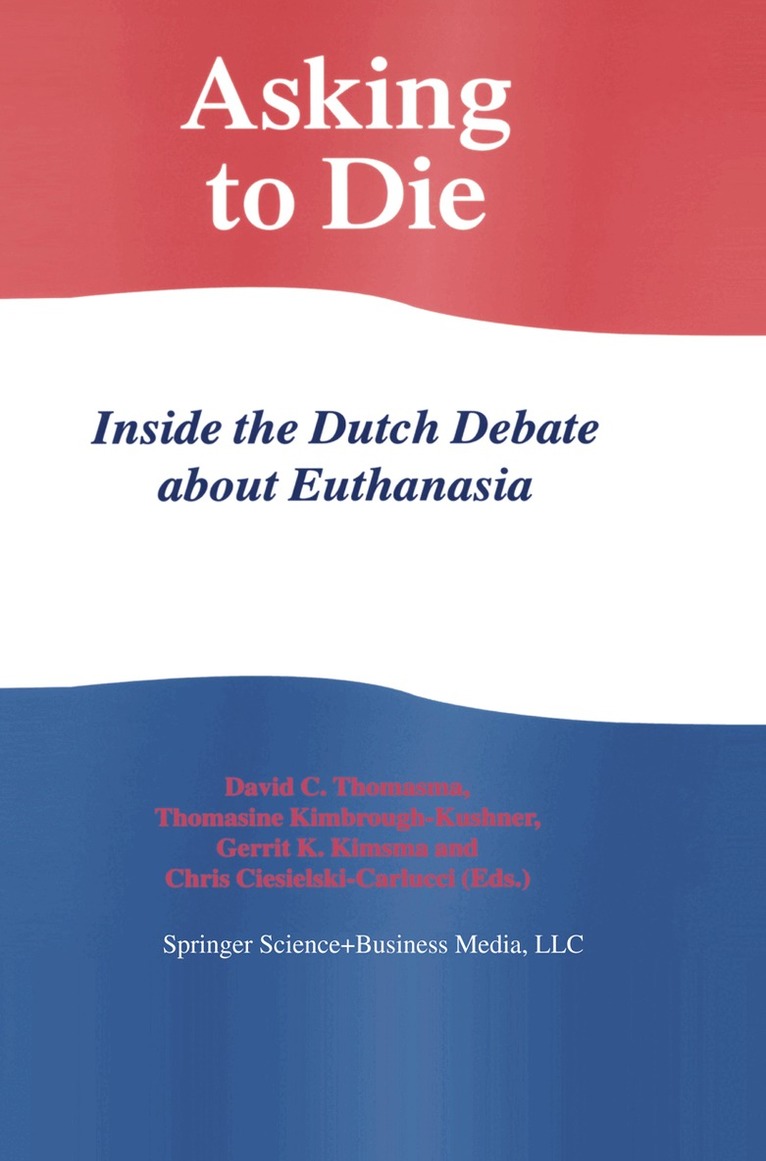
The Dutch experience with euthanasia is valuable for all cultures embroiled in debates about its morality. In the Netherlands, doctors can openly and intentionally end the life of their patients. This practice inescapably influences the practice of medicine everywhere in the world. Yet for a country yielding so much power in shaping our thoughts and policies, it is especially dangerous to neglect its own struggles with euthanasia. The arguments, laws, and policy adjustments should not be overlooked or misunderstood. Without an adequate portrait of the internal Dutch debate, including public and professional arguments as well as intensely personal stories - as set forth in "Asking to Die" - the valuable lessons from the Netherlands will be lost for other countries. This book addresses the debate among Dutch physicians, policy-makers, academics, lawyers, and bioethicists, as well as families, and it does so using academic papers as well as personal experiences.
E-bok
PDF, Engelska, 20121 408 kr
Läs direkt efter köp
The growth of knowledge and its effects on the practice of medicine have been issues of philosophical and ethical interest for several decades and will remain so for many years to come. The outline of the present volume was conceived nearly three years ago. In 1987, a conference on this theme was held in Maastricht, the Netherlands, on the occasion of the founding of the European Society for Philosophy of Medicine and Health Care (ESPMH). Most of the chapters of this book are derived from papers presented at that meeting, and for the purpose of editing the book Stuart Spicker, Ph. D. , joined two founding members of ESPMH, Henk ten Have and Gerrit Kimsma. The three of them successfully brought together a number of interesting contribu tions to the theme, and ESPMH is grateful and proud to have initiated the production of this volume. The Society intends that annual meetings be held in different European countries on a rotating basis and to publish volumes related to these meetings whenever feasible. In 1988, the second conference was held in Aarhus, Denmark on "Values in Medical Decision Making and Resource Allocation in Health Care". In 1989, a meeting was held in Czestochowa, Poland, on "European Traditions in Philosophy of Medicine. From Brentano to Bieganski". It is hoped that these conferences and the books to be derived from them, will initiate a new European tradition, lasting well into the 21 st century! P. J.
Del 36 - Philosophy and Medicine
Growth of Medical Knowledge
Häftad, Engelska, 2011
1 073 kr
Skickas inom 10-15 vardagar
The growth of knowledge and its effects on the practice of medicine have been issues of philosophical and ethical interest for several decades and will remain so for many years to come. The outline of the present volume was conceived nearly three years ago. In 1987, a conference on this theme was held in Maastricht, the Netherlands, on the occasion of the founding of the European Society for Philosophy of Medicine and Health Care (ESPMH). Most of the chapters of this book are derived from papers presented at that meeting, and for the purpose of editing the book Stuart Spicker, Ph. D. , joined two founding members of ESPMH, Henk ten Have and Gerrit Kimsma. The three of them successfully brought together a number of interesting contribu tions to the theme, and ESPMH is grateful and proud to have initiated the production of this volume. The Society intends that annual meetings be held in different European countries on a rotating basis and to publish volumes related to these meetings whenever feasible. In 1988, the second conference was held in Aarhus, Denmark on "Values in Medical Decision Making and Resource Allocation in Health Care". In 1989, a meeting was held in Czestochowa, Poland, on "European Traditions in Philosophy of Medicine. From Brentano to Bieganski". It is hoped that these conferences and the books to be derived from them, will initiate a new European tradition, lasting well into the 21 st century! P. J.