Glen Robert Gill – författare
Visar alla böcker från författaren Glen Robert Gill. Handla med fri frakt och snabb leverans.
6 produkter
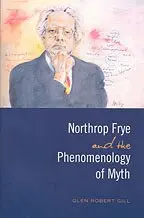
Northrop Frye and the Phenomenology of Myth
Häftad, 2006
442 kr
Lägg i varukorg
In Northrop Frye and the Phenomenology of Myth, Glen Robert Gill compares Frye's theories about myth to those of three other major twentieth-century mythologists: C.G. Jung, Joseph Campbell, and Mircea Eliade. Gill explores the theories of these respective thinkers as they relate to Frye's …
Northrop Frye and the Phenomenology of Myth
E-bok, 2006
506 kr
Lägg i varukorg
In Northrop Frye and the Phenomenology of Myth, Glen Robert Gill compares Frye's theories about myth to those of three other major twentieth-century mythologists: C.G. Jung, Joseph Campbell, and Mircea Eliade. Gill explores the theories of these respective thinkers as they relate to Frye's …
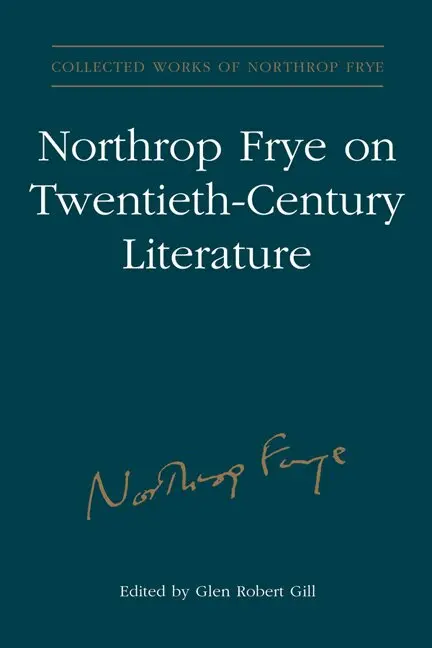
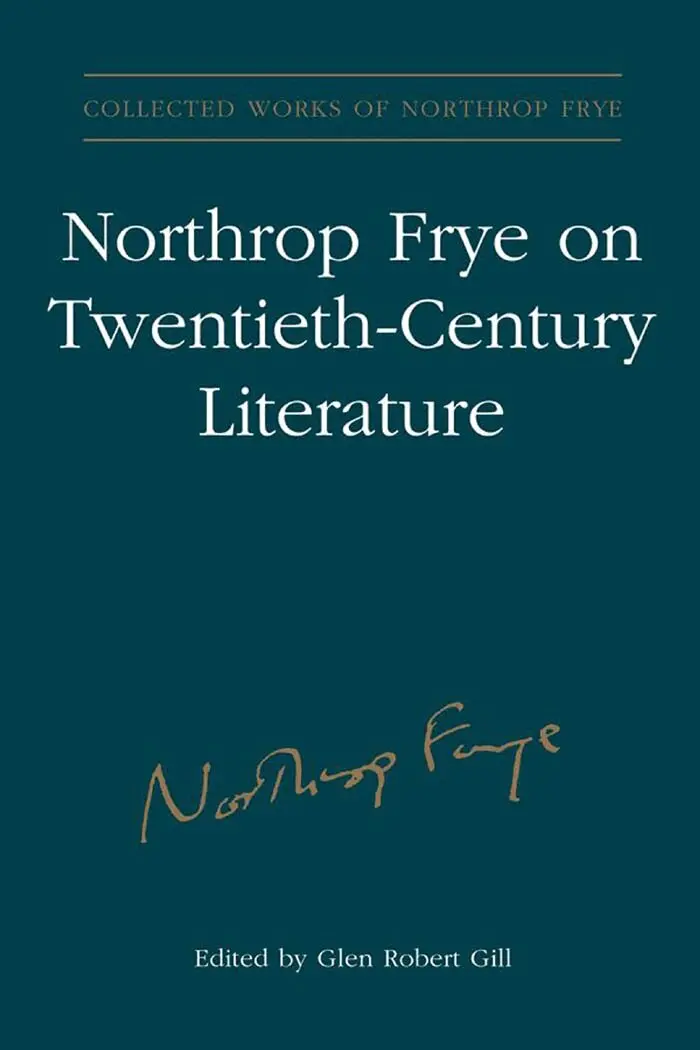
Northrop Frye on Twentieth-Century Literature
Inbunden, 2010
1391 kr
Lägg i varukorg
This volume brings together Northrop Frye's criticism on twentieth-century literature, a body of work produced over almost sixty years. Including Frye's incisive book, T.S. Eliot, as well as his discussions of writers such as James Joyce, W.B. Yeats, Wallace Stevens, and George Orwell, the volume …
Northrop Frye and the Phenomenology of Myth
E-bok, 2006
550 kr
Lägg i varukorg
In Northrop Frye and the Phenomenology of Myth, Glen Robert Gill compares Frye's theories about myth to those of three other major twentieth-century mythologists: C.G. Jung, Joseph Campbell, and Mircea Eliade. Gill explores the theories of these respective thinkers as they relate to Frye's …
Northrop Frye on Twentieth-Century Literature
Vol. 29
E-bok, 2009
1818 kr
Lägg i varukorg
This volume brings together Northrop Frye's criticism on twentieth-century literature, a body of work produced over almost sixty years. Including Frye's incisive book, T.S. Eliot, as well as his discussions of writers such as James Joyce, W.B. Yeats, Wallace Stevens, and George Orwell, the volume …
Northrop Frye and the Phenomenology of Myth
Inbunden, 2006
860 kr
Tillfälligt slut
In Northrop Frye and the Phenomenology of Myth, Glen Robert Gill compares Frye's theories about myth to those of three other major twentieth-century mythologists: C.G. Jung, Joseph Campbell, and Mircea Eliade. Gill explores the theories of these respective thinkers as they relate to Frye's …