Glenda Daniels – författare
Visar alla böcker från författaren Glenda Daniels. Handla med fri frakt och snabb leverans.
10 produkter
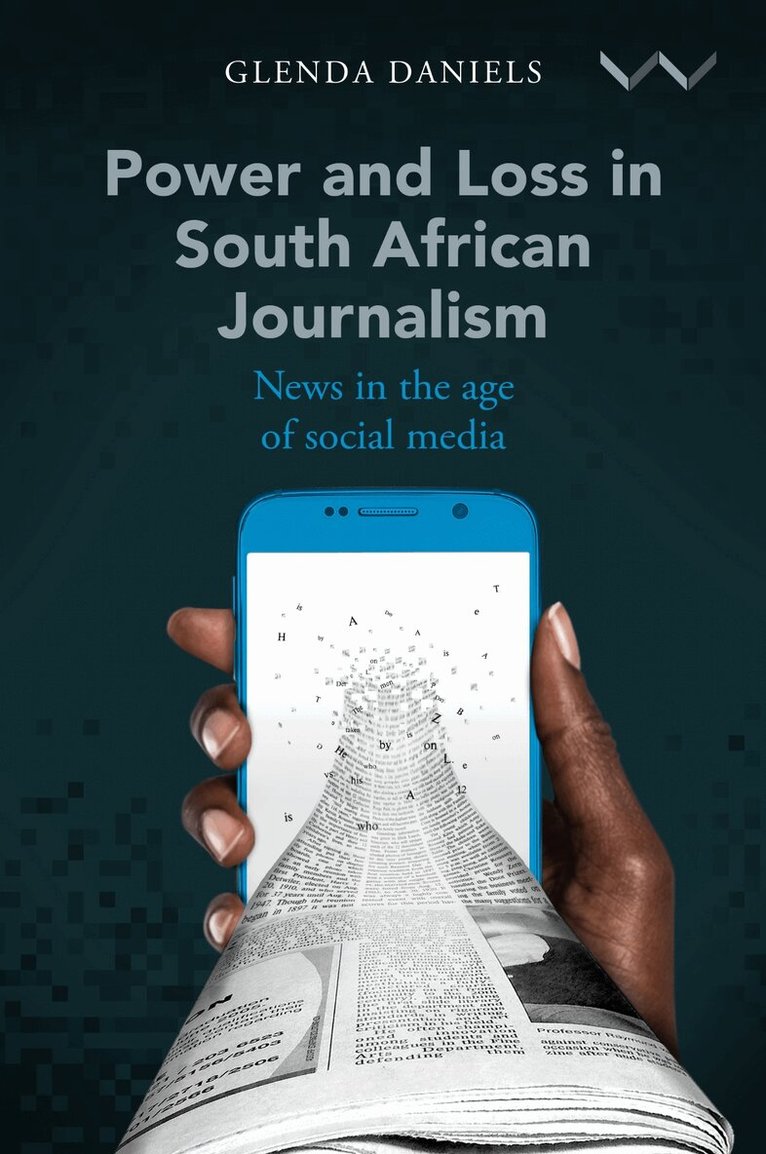
Power and Loss in South African Journalism
News in the Age of Social Media
Häftad, 2020
275 kr
Lägg i varukorg
This timely collection of essays analyses the crisis of journalism in contemporary South Africa at a period when the media and their role are frequently at the centre of public debate. The transition to digital news has been messy, random and unpredictable. The spread of news via social media …
Power and Loss in South African Journalism
News in the age of social media
E-bok, 2020
398 kr
Lägg i varukorg
This timely collection of essays analyses the crisis of journalism in contemporary South Africa at a period when the media and their role are frequently at the centre of public debate. The transition to digital news has been messy, random and unpredictable. The spread of news via social media …
Power and Loss in South African Journalism
News in the age of social media
E-bok, 2020
398 kr
Lägg i varukorg
This timely collection of essays analyses the crisis of journalism in contemporary South Africa at a period when the media and their role are frequently at the centre of public debate. The transition to digital news has been messy, random and unpredictable. The spread of news via social media …
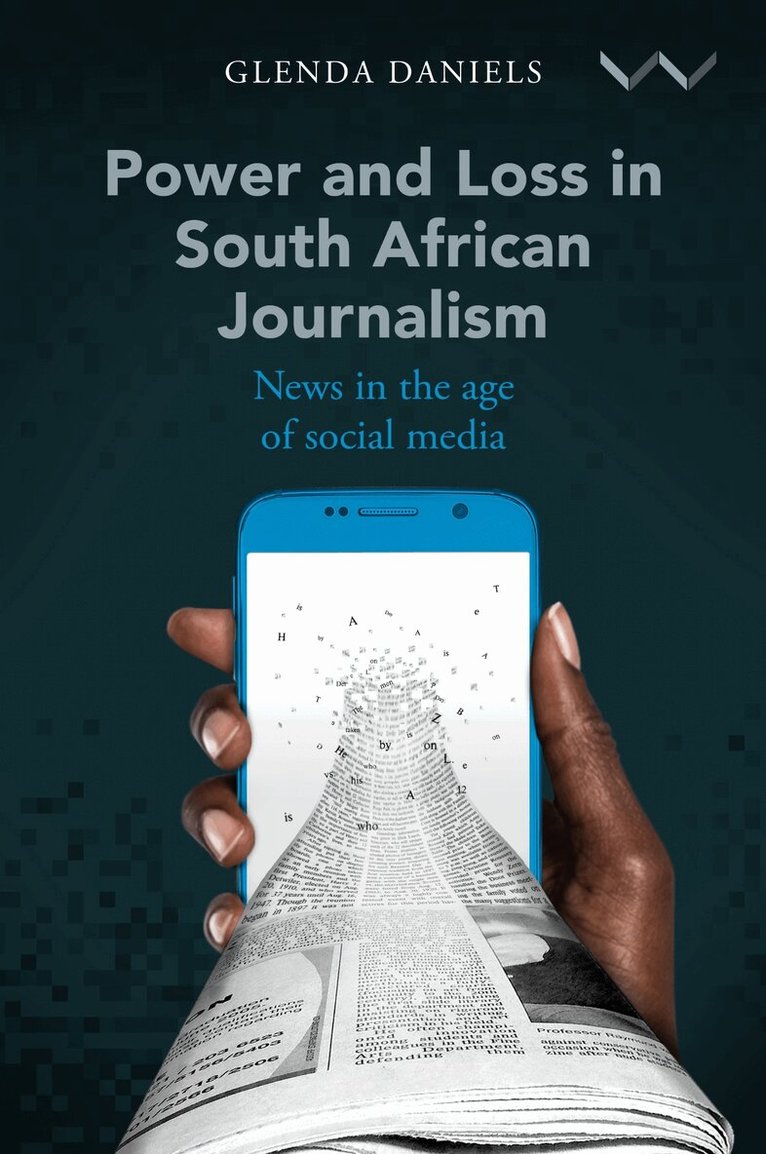
Power and Loss in South African Journalism
News in the Age of Social Media
Inbunden, 2020
1221 kr
Lägg i varukorg
This timely collection of essays analyses the crisis of journalism in contemporary South Africa at a period when the media and their role are frequently at the centre of public debate. The transition to digital news has been messy, random and unpredictable. The spread of news via social media …
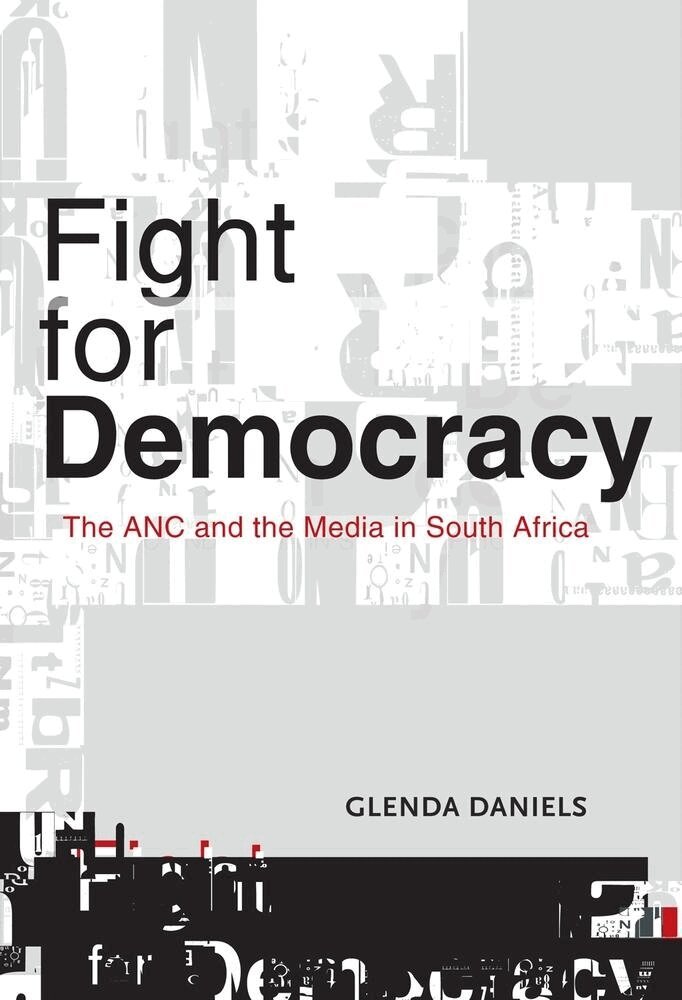
Fight for Democracy
The ANC and the Media in South Africa
Häftad, 2012
386 kr
Lägg i varukorg
Fight for Democracy is a penetrating and critical scrutiny of the ANC's treatment of the print media since the inception of democracy in 1994. In this book, Glenda Daniels does not hide behind a veil of detachment, but instead makes a passionate argument for the view that newspapers and journalists …
Fight for Democracy
The ANC and the media in South Africa
E-bok, 2012
398 kr
Lägg i varukorg
Fight for Democracy is a penetrating and critical scrutiny of the ANC’s treatment of the print media since the inception of democracy in 1994. In this book, Glenda Daniels does not hide behind a veil of detachment, but instead makes a passionate argument for the view that newspapers and journalists …
Fight for Democracy
The ANC and the media in South Africa
E-bok, 2012
398 kr
Lägg i varukorg
Fight for Democracy is a penetrating and critical scrutiny of the ANC’s treatment of the print media since the inception of democracy in 1994. In this book, Glenda Daniels does not hide behind a veil of detachment, but instead makes a passionate argument for the view that newspapers and journalists …
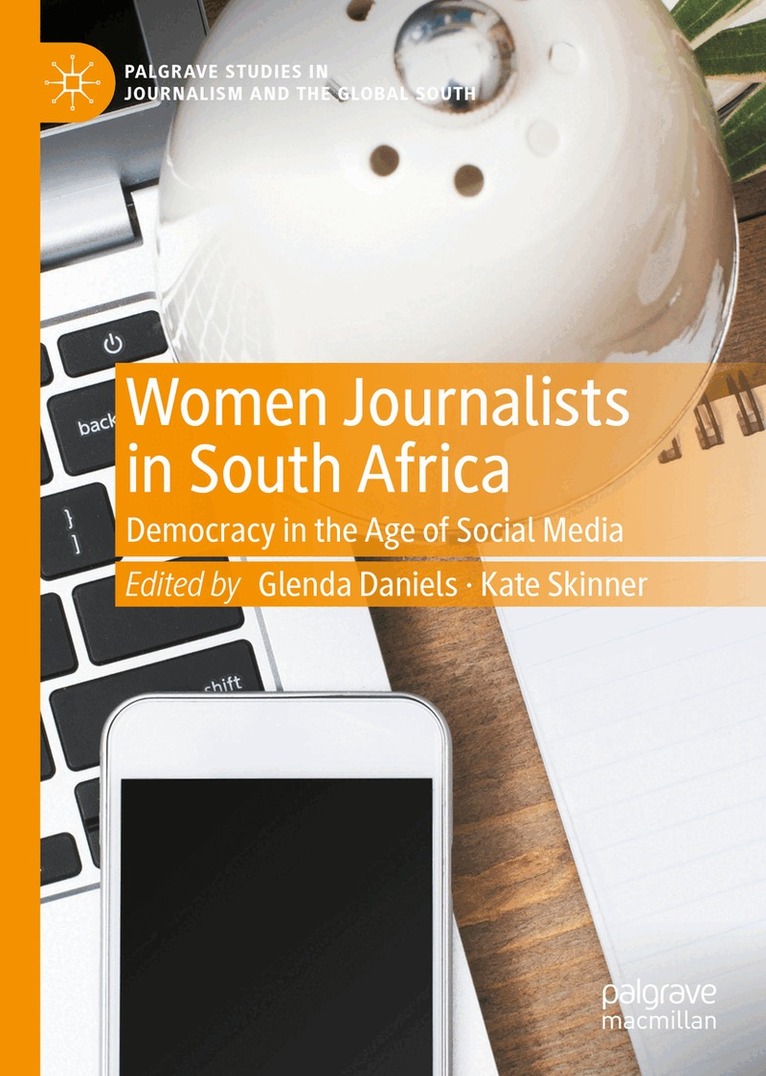
Women Journalists in South Africa
Democracy in the Age of Social Media
Av Glenda Daniels, Kate Skinner
Inbunden, 2022
1529 kr
Lägg i varukorg
This edited collection examines women journalists’ experiences and obstacles in South Africa’s (SA) democracy. They exercise power, and add a vital diversity, but they are routinely harassed in the online social media space of big tech companies such as Twitter and Facebook by populist and corrupt …
Women Journalists in South Africa
Democracy in the Age of Social Media
Av Kate Skinner, Glenda Daniels
E-bok, 2022
1948 kr
Lägg i varukorg
This edited collection examines women journalists’ experiences and obstacles in South Africa’s (SA) democracy. They exercise power, and add a vital diversity, but they are routinely harassed in the online social media space of big tech companies such as Twitter and Facebook by populist and corrupt …
Women Journalists in South Africa
Democracy in the Age of Social Media
Av Glenda Daniels, Kate Skinner
Häftad, 2023
1529 kr
Lägg i varukorg
This edited collection examines women journalists’ experiences and obstacles in South Africa’s (SA) democracy. They exercise power, and add a vital diversity, but they are routinely harassed in the online social media space of big tech companies such as Twitter and Facebook by populist and corrupt …