
Gordon Edgar – författare
Visar alla böcker från författaren Gordon Edgar. Handla med fri frakt och snabb leverans.
20 produkter
20 produkter
221 kr
Skickas
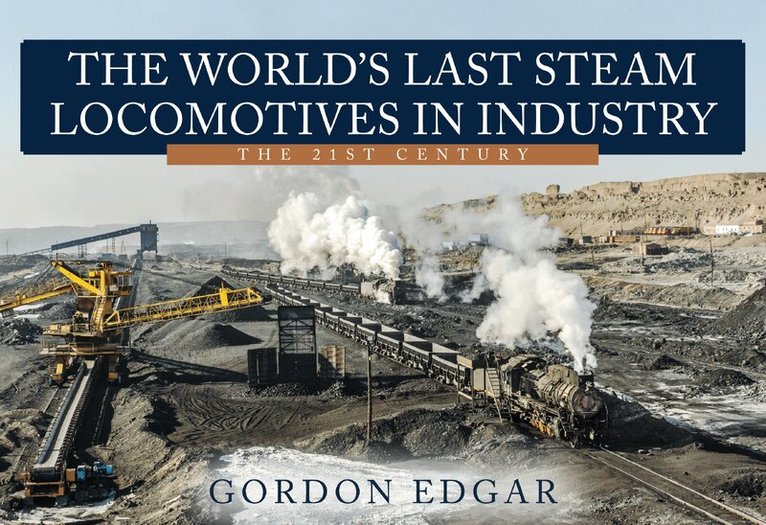
Following on from his popular series examining industrial steam in regions of the UK, Gordon Edgar looks at a series of fascinating workings around the world during the final days of steam in industry. A number of globe-trotting trips in the latter part of the twentieth century and early twenty-first produced a remarkable record of steam at work in locations as varied as Germany, Austria, Poland, Bosnia and Herzegovina, Romania, Cuba, Java, India and China.With stunning, evocative photographs that capture not only the final days of these industrial workhorses but also the atmosphere of the environments in which they toiled, including opencast coal mines, quarries, steelworks and sugar plantations, this is a fitting tribute to an important aspect of international industrial history. The volume focuses on scenes captured in the twenty-first century.
221 kr
Skickas
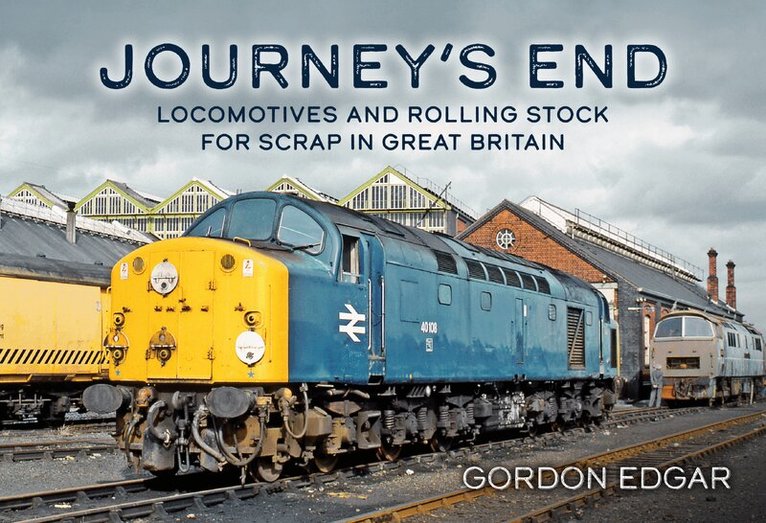
The storage and ultimate disposal of redundant or worn-out railway locomotives and rolling stock is a much-overlooked subject, but is most certainly an important aspect of railway history, deserving documentation and photographic attention. Subjects covered here include locomotives and rolling stock that had already been taken out of regular service, either present at motive power depots awaiting movement for disposal, abandoned at industrial installations, or simply languishing in sidings or yards, sometimes apparently forgotten about with nature gradually taking its course. Scenes of cutting up and disposal operations also feature. Partly dismembered hulks of locomotives can be seen, as well as rolling stock and multiple units awaiting burning and subsequent asbestos removal.Packed with fascinating illustrations and commentary, Journey’s End is a fitting coda to Gordon Edgar’s popular regional Industrial Locomotives & Railways series. This first volume focuses on rolling stock and locomotives in Great Britain.

221 kr
Kommande
Stunning photographs celebrating the famous Settle to Carlisle railway line and the surrounding scenery.
207 kr
Skickas
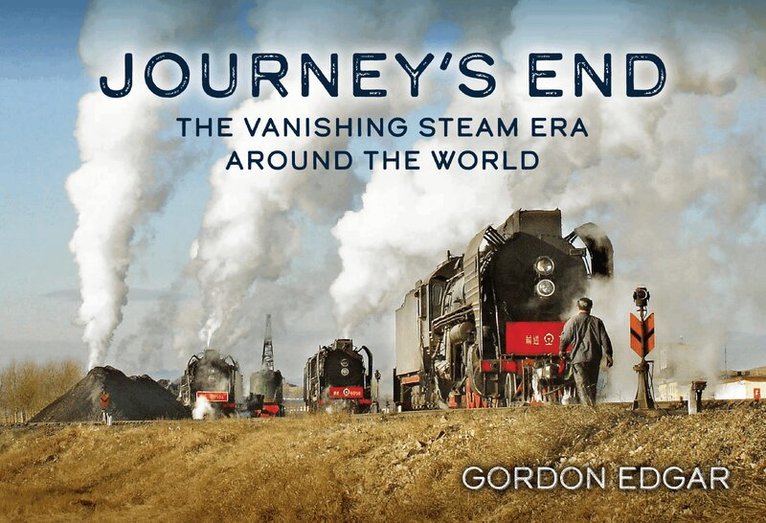
As a conclusion to his popular series of industrial railways in the regions around the UK, as well two volumes examining steam locomotives at work in industry around the world, here Gordon Edgar looks at the vanishing steam era worldwide. In the main, this book covers the last quarter of a century, both on main and secondary railway lines and in industry, in countries such as China, Myanmar, Eritrea, and Poland.With stunning photography and commentary, this book takes you on a tour in search of the last vestiges of everyday working steam locomotives of all gauges, as well as featuring locomotives cast aside and forgotten about. Those few remaining steam operations covered could have an uncertain future, facing today’s commercial and political challenges.
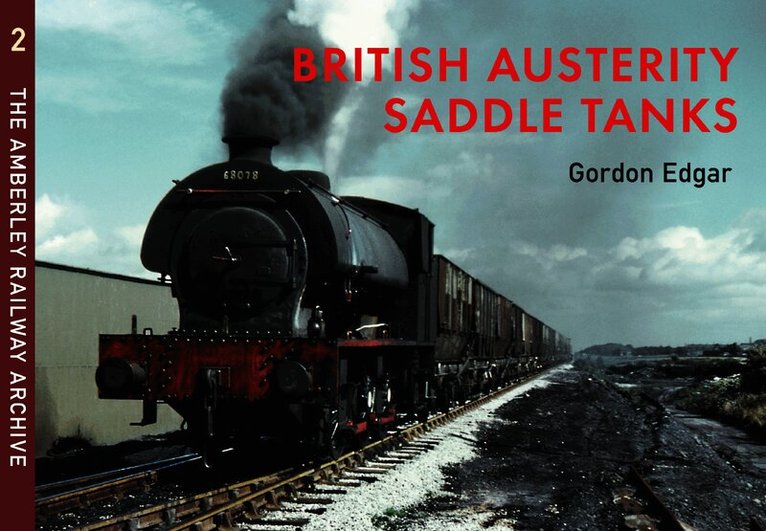
Del 2 - The Amberley Railway Archive
British Austerity Saddle Tanks
The Amberley Railway Archive Volume 2
Häftad, Engelska, 2014
221 kr
Tillfälligt slut
The Austerity saddle tank, a 1942 design born out of necessity during wartime Britain and intended for just two years of rigorous service as a general purpose shunting locomotive, far exceeded the original expectations of the Hunslet Engine Company design. In fact construction was to continue until 1964, with a total of 485 locomotives ultimately being turned out by seven different manufacturers. They became a familiar sight in a broad range of industrial settings, including military depots, collieries, quarries and steelworks, as well as on a number of main lines in Britain and overseas. This is a photographic tribute, almost three-quarters of a century on from their initial concept, portraying them in glorious grubby detail in their true working environment. Dirty, rusty and sometimes abandoned, these are not images of the 'squeaky-clean' examples to be found on heritage railways, although a handful of appropriate contemporary images are included as a tribute to those who help to keep the magic of the Austerity saddle tank alive today, some thirty years after their demise from British industry.
178 kr
Skickas inom 11-20 vardagar
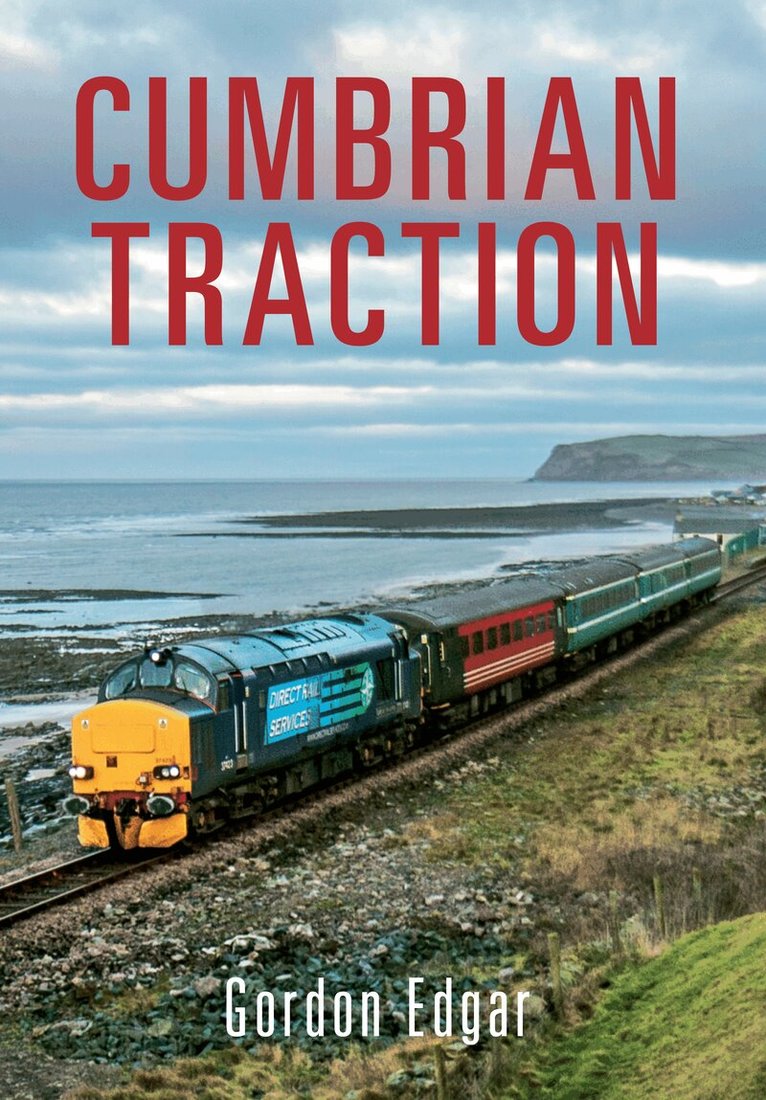
The drama of the Cumbrian countryside combined with some of the most powerful diesel and electric locomotives to be found anywhere in Britain. Gordon Edgar's photographs cover every aspect of diesel and electric traction in Cumbria, hauling both passenger and goods trains. The types, classes of locomotive and the operating companies represented are as varied as the landscape which ranges from the drama of the Fells to the windswept coastline and the industrial railway yards. Locations include the Carlisle to Maryport line, Workington, Mossband, the River Esk, Cummersdale, and the west coast line to Sellafield. Stunning photography and an extraordinarily varied landscape combined and captured in superb detail
178 kr
Skickas
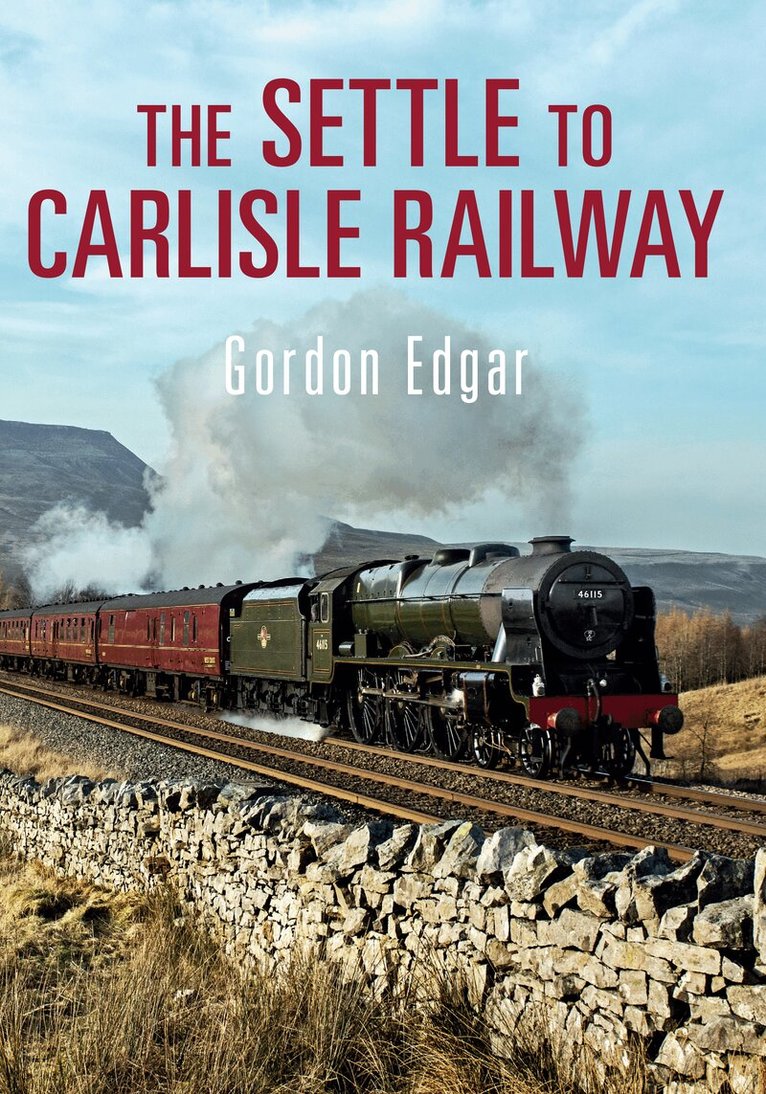
Arguably one of the most dramatic railway lines in northern England, the Settle - Carlisle runs through remote, scenic regions of the Yorkshire Dales and the North Pennines. Starting from the town of Settle, it crosses the Ribblehead viaduct on its way to the Scottish border. Threatened with closure in the 1970s, it was saved by campaigners and is now an important diversionary route from the West Coast Main Line, popular with tourists and locals alike.
178 kr
Skickas inom 11-20 vardagar
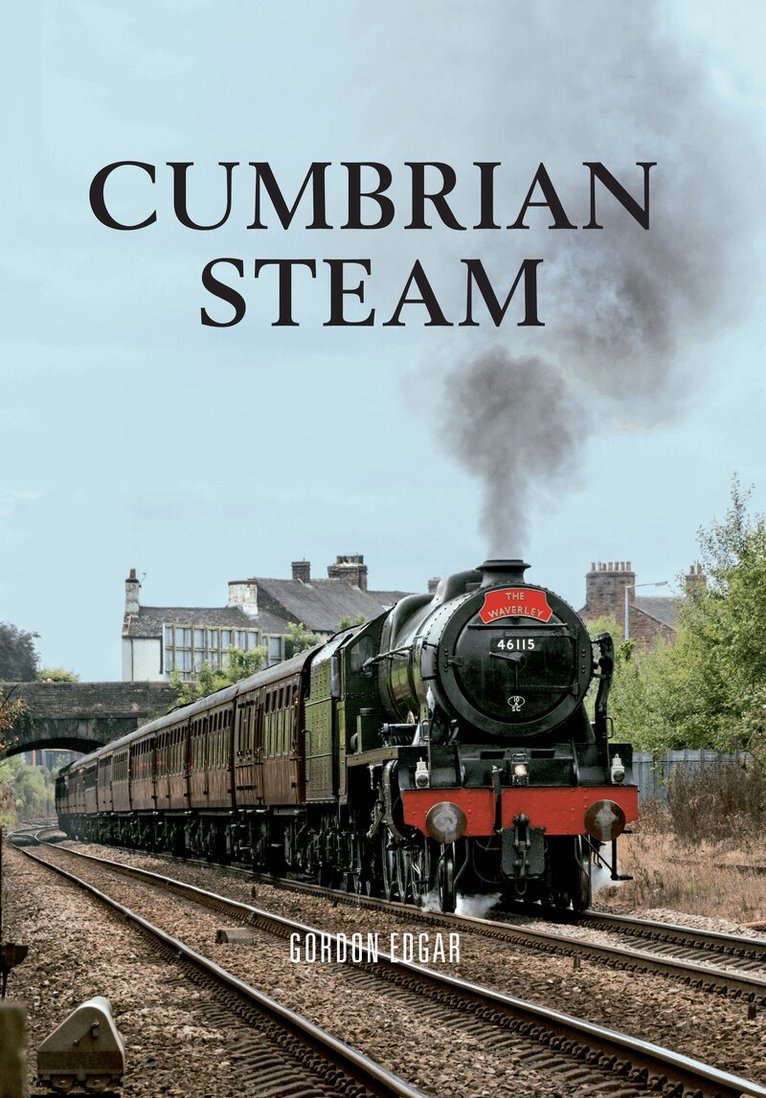
The drama of the Cumbrian countryside combined with some of the most magnificent steam locomotives to be found anywhere in Britain.This follow-up to Gordon Edgar’s Cumbrian Traction is a collection of the author’s own work and that of other eminent railway photographers. The types, classes of locomotive and the operating companies represented are as varied as the landscape, which ranges from the drama of the fells to the windswept coastline, covering the lines radiating through the former counties of Cumberland and Westmorland. Locations include the West Coast Main Line over Shap summit, the Settle–Carlisle, and Maryport and Carlisle lines. The Border City of Carlisle is also covered in detail, with both historic and contemporary scenes at the station, in and around the city and at the latter-day steam motive power depots. Stunning photography and extraordinarily varied landscapes are combined and captured in superb detail in this look at steam in Cumbria.
221 kr
Tillfälligt slut
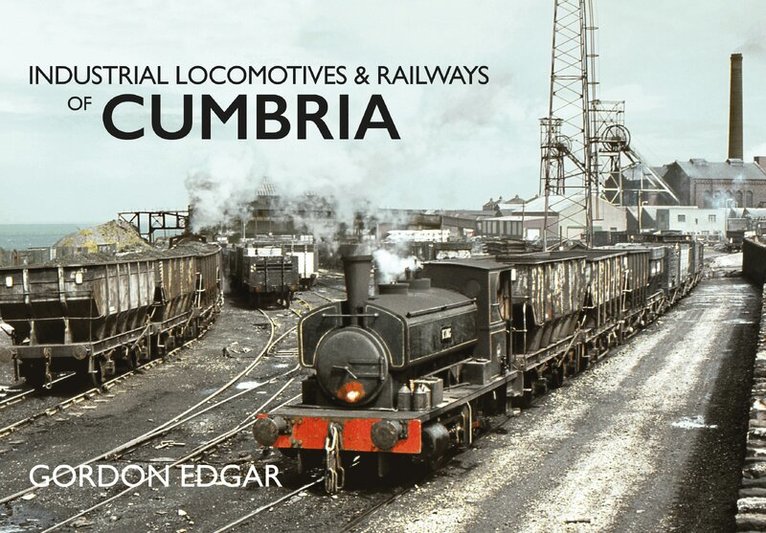
The industrial and minor railways of the former counties of Cumberland and Westmorland are neglected topics deserving of greater attention. West Cumberland has traditionally been a mining, steel-making and quarrying region, with some areas of rail-served industry surviving today. Standard and narrow gauge railways and their locomotives have supported these industries for over a century, a small number even surviving into the twenty-first century.Gordon Edgar uses his excellent collection of photographs to explore these fascinating railways and their locomotives.
221 kr
Tillfälligt slut
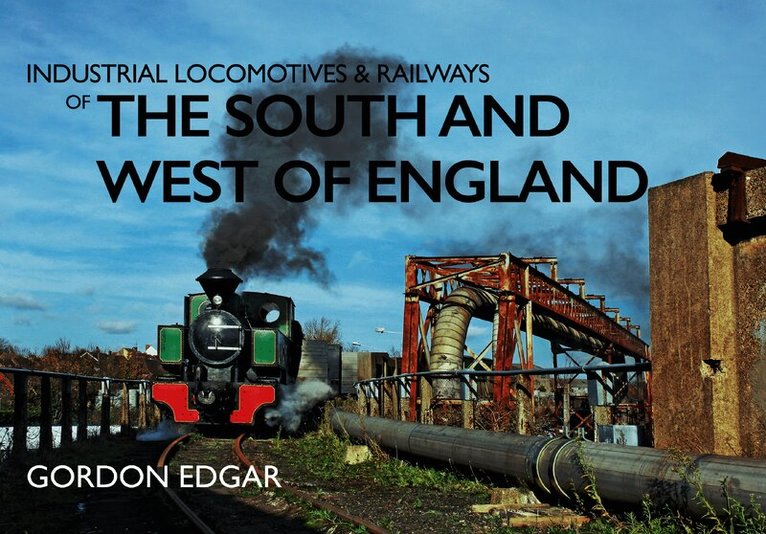
In this second volume in a regional series exploring industrial locomotives and railways in England, Wales and Scotland, we move on to Southern England and the West Country. This region, stretching from Kent to Cornwall, was blessed with many varied and intriguing industrial railway systems, which served power stations, collieries, paper mills, docks, quarries, brickworks and the lesser-visited military establishments. Indeed, some of the country’s last working industrial steam locomotives were to be found in the south east post-cessation of steam traction on British Railways, and these are covered, along with other forms of traction of standard and narrow gauges.In a collection of historic photographs, accompanied by detailed captions, the author explores these fascinating railways and their locomotives, revealing what was to be found around the region in the latter half of the twentieth century.
221 kr
Tillfälligt slut
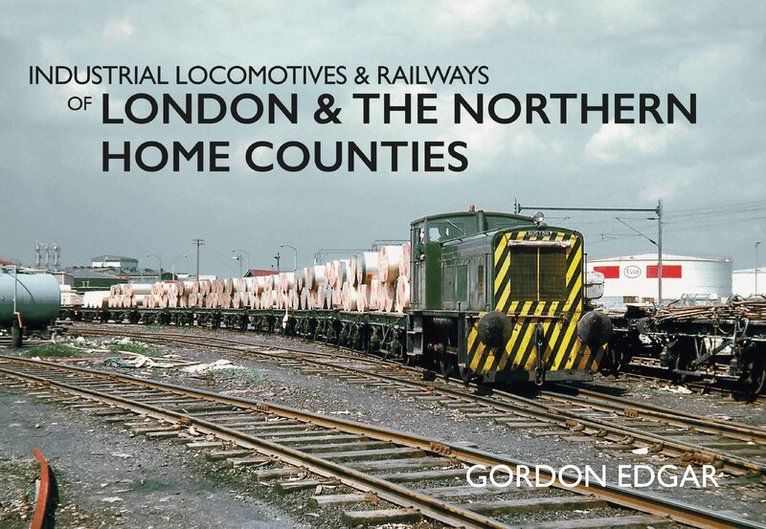
Continuing his series looking at the industrial locomotives and railways of England, Wales and Scotland, Gordon Edgar looks at Greater London and the counties of Middlesex, Berkshire, Buckinghamshire, Bedfordshire, Oxfordshire and Hertfordshire, a region that rapidly expanded during the twentieth century around the traditional shipping routes into London’s docklands and the numerous rail routes serving the capital, in particular from the north and west.The period of time covered by this volume stretches from the early 1950s to the present day, with Gordon utilising his and other contributors’ rare and previously unpublished photographs, both in colour and black and white, to document the fascinating history of industry in this region.
221 kr
Tillfälligt slut
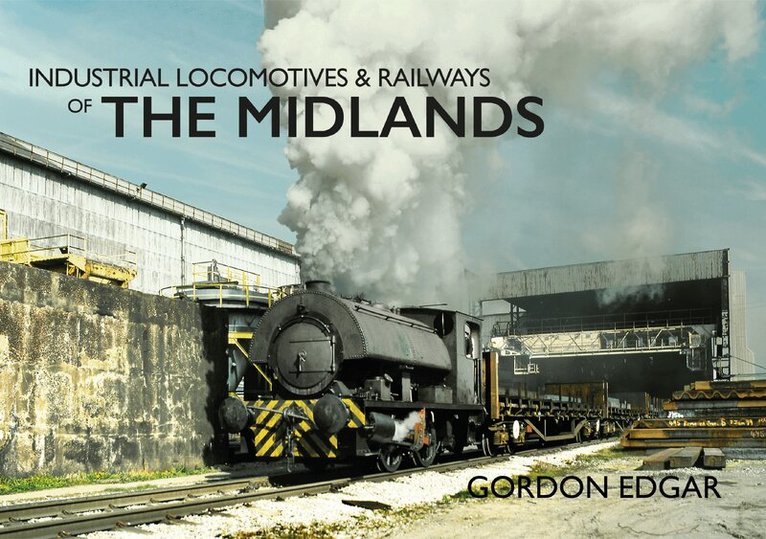
The industrial railways of the Midlands is a neglected topic deserving of greater attention. Following on from Industrial Locomotives & Railways of Eastern England, Gordon uses both his excellent collection of photographs and some from other sources to explore these fascinating railways and their locomotives in the fifth volume in this regional series examining the industrial locomotives and railways of England, Wales, and Scotland.Originally founded in the Midlands, the Industrial Locomotive Information Section of the Birmingham Locomotive Club (BLC) is the forefather of the Industrial Railway Society (IRS), which for many years has been the leading organisation in Britain devoted to the study of industrial and heritage railways and locomotives. The industrial railway scene for many was considered to be of secondary importance and, had it not been for the BLC/IRS members and photographers over the decades, some of these more obscure industrial railway operations could well have disappeared without a trace.Changes have been far-reaching in Britain over the last half-century and sadly only eight industrial locations covered within this volume are still in existence today. Gordon presents an array of striking images that strive to include some feel for the locations in question – be it topographical or architectural – covering the incredibly broad spectrum of industrial railways that once existed in the Midlands.
221 kr
Skickas inom 11-20 vardagar
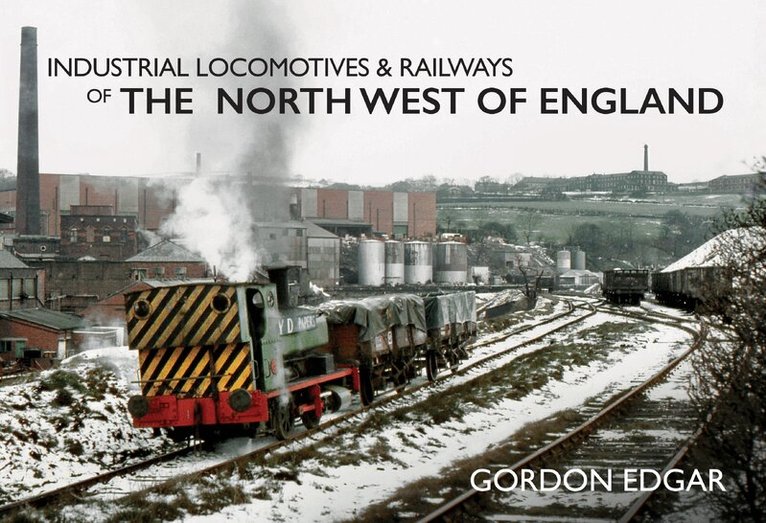
This sixth volume in the regional series of books looking at the industrial railways of England, Wales and Scotland specifically covers Lancashire, Greater Manchester, Merseyside and Cheshire, a region widely associated with the rapid growth of industry during the Industrial Revolution. The widespread coal mining activities, which particularly influenced the economy of the region during the twentieth century, were once served by an extensive network of railways, and some also by canals. The Manchester Ship Canal railways at Trafford Park and Ellesmere Port are featured, but there were also other ports and docks around Liverpool and at Preston, all having extensive railways and fascinating locomotive fleets. These are covered, along with the colliery railways and many of the numerous power stations which were once strategically located around the region, some fed directly from adjacent coal mines.Peat workings, chemicals works, oil refineries, salt mining, paper, steel, cement and glass manufacture are all covered. The area has a rich industrial heritage and the industrial railways of both standard and narrow gauges which once served the region were equally rich in variety.Primarily utilising previously unpublished colour photography, Gordon Edgar offers a fascinating view of industrial locomotives and railways in the area, essentially covering the last six decades.
214 kr
Skickas
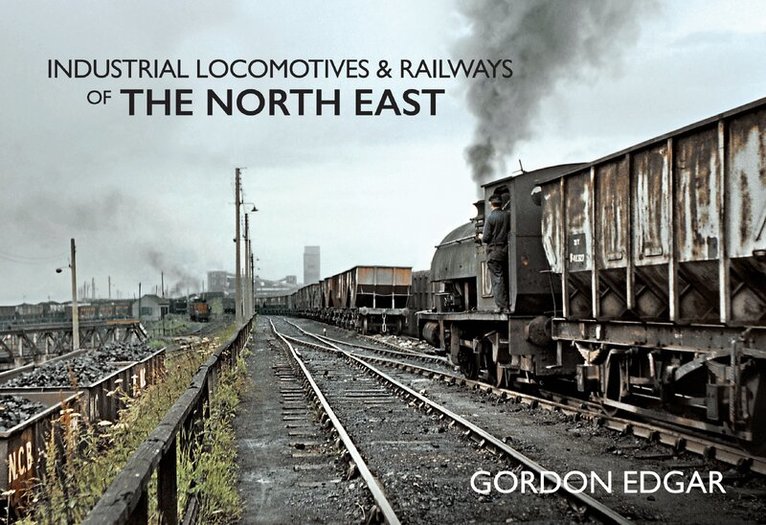
Continuing his series of regional books reviewing the industrial railways of England, Wales and Scotland, author Gordon Edgar looks at the railways of what is today Northumbria, County Durham and Teesside, covering a period of the last six decades, with an emphasis upon the former National Coal Board railways. This is the eighth volume in the series, covering an area once proudly boasting widespread coal mining, steelmaking and shipbuilding activities, as well as numerous other traditional industries large and small, most now sadly history. The industrial railway diversity that one could have witnessed in this region up until the latter part of the twentieth century was arguably unequalled in Britain. The National Coal Board’s Lambton, Hetton, Bowes, Derwenthaugh, Ashington and Backworth railway systems, and the steel and ironworks complexes at Consett, Lackenby and Skinningrove, and Doxford’s shipyard in Sunderland are just some of the locations familiar to many industrial railway enthusiasts, all of which are covered. Far-reaching changes in this region over the last half-century sadly leave just three bona-fide industrial railway locations featured in this book surviving today.Primarily utilising previously unpublished photographs, the author offers a fascinating insight into the industrial railways and locomotives of this region, endeavouring to convey the raison d’etre of such railways held in great affection by many.
214 kr
Skickas
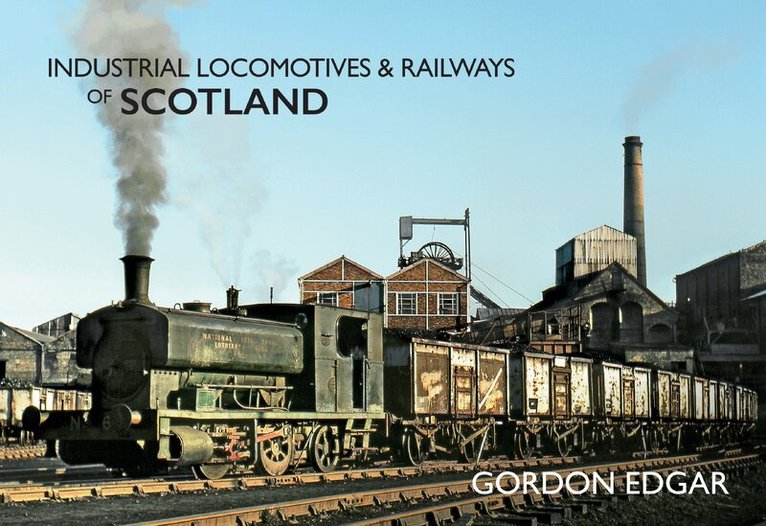
This is the ninth volume in the ten-part series of regional books examining the industrial railways of England, Scotland and Wales. Like elsewhere in Britain, changes have been far-reaching in industry, and Scotland has certainly suffered considerably in recent decades with the loss of its traditional coal mining, steel and manufacturing industries, especially many of those that were once located around its Central Belt.The diversity of the locomotives and the railways that once served industry in Scotland is a fascinating and neglected subject, and both standard and narrow gauge systems, most of which no longer survive today, are covered within the pages of this book. The author presents an array of striking images, both in colour and black and white, that strive to include some feel for the locations being studied, covering the broad spectrum of industrial railways that once existed in Scotland.These mostly previously unpublished photographs, accompanied by detailed captions, reflect the changing face of Scottish industry over the last six decades or so. As the title suggests, this book is chiefly about Scotland’s industrial railways and its locomotives, many actually constructed in Scotland, but this work is also a sad reminder of how much our traditional industries have contracted, or have even been lost entirely over this period, either through globalisation of manufacturing, or the importation of commodities at a cheaper market rate than could have been obtained at home.
400 kr
Skickas inom 3-6 vardagar
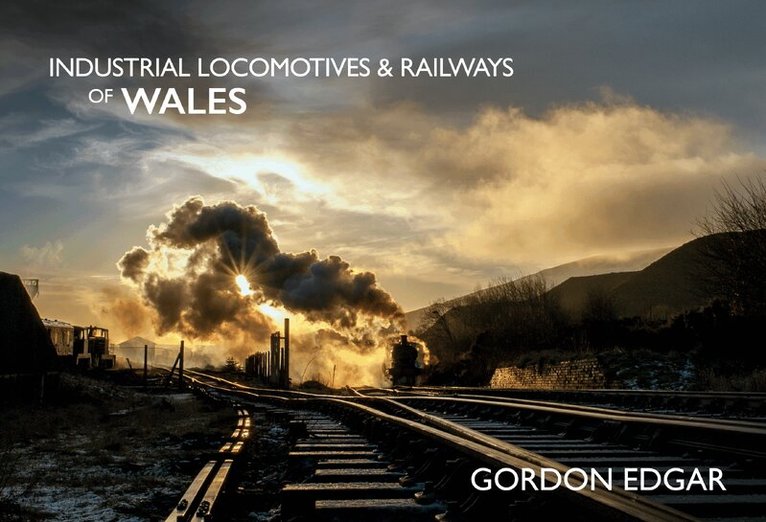
This is the tenth and final volume in this series of regional books examining the industrial railways of England, Scotland and Wales. Following on from previous titles in the series, the author draws from both his excellent personal collection of photographs and from other contributors. Presented in both in colour and black and white, and accompanied by detailed captions, they reflect the changing face of industry in Wales over the last six decades or so.The diversity of the locomotives and the railways that once served industry in Wales is a fascinating and neglected subject, and both standard and narrow gauge systems, most of which no longer survive today, are covered within the pages of this book. From the slate quarries of North Wales and the steel works in the north and south of the Principality to the collieries of the South Wales Valleys and in the Wrexham area, these operations and much more are reviewed in this fascinating pictorial overview of the industrial railways that once supported the rich industrial heritage of Wales.Primarily utilising previously unpublished photographs, Gordon Edgar offers a fascinating insight into the industrial railways and locomotives of this region, endeavouring to convey the raison d’etre of such railways, which are held in great affection by many.
228 kr
Tillfälligt slut
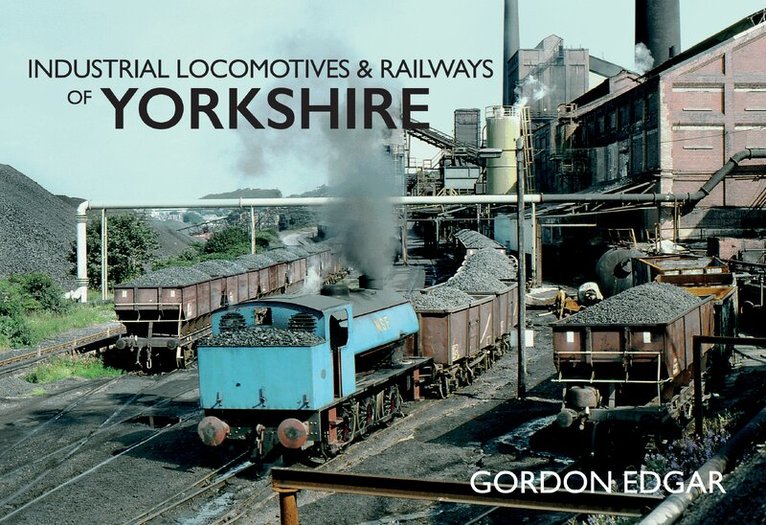
This seventh volume in the series of regional books examining the industrial railways of England, Wales and Scotland looks at railways of the former Ridings of Yorkshire, a region that once boasted widespread coal mining activities, which strongly influenced the county’s fortunes throughout the nineteenth and twentieth centuries. The numerous steel manufacturing complexes, chiefly centred around the Sheffield and Rotherham area, and the one-time highly polluting coal and chemicals by-products plants are looked at, including the well-known Orgreave complex during the 1980s, a time when many coal mines and their supporting industries and railways were rapidly dwindling in number, a fact sadly driven home when examining the contents of this book.Other industries in the county, once heavily reliant on railways, either internal narrow gauge or standard gauge, included an extensive peat bog railway system east of Doncaster, water treatment plants around Leeds and Bradford, gas and electricity plants serving some of the county’s towns and cities, numerous scrapyards supporting steel manufacturing, stone quarries in the rich limestone region to the north of the county, and brick and block manufacturers in the Vale of York, all contributing to the rich industrial railway heritage of Yorkshire.With informative captions and an array of striking and many previously unpublished historical colour and monochrome photographs, author Gordon Edgar delivers a fascinating overview of the industrial locomotives and railways of Yorkshire, essentially covering the last six decades and striving to convey the attraction of the many former industrial railways of this vast and topographically varied county.
221 kr
Tillfälligt slut
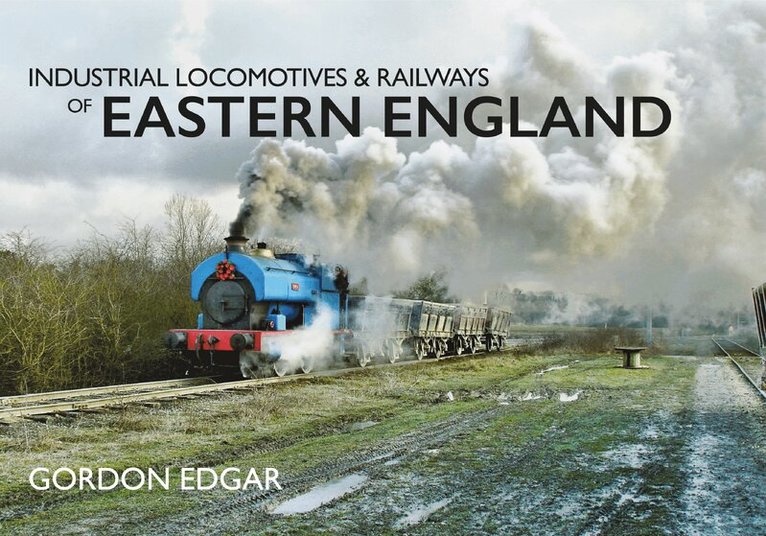
The fourth in a regional series of books examining the industrial locomotives and railways of England, Wales and Scotland, this volume covers the counties of Essex, Cambridgeshire, Suffolk, Norfolk, Lincolnshire and East Nottinghamshire.It may be assumed that this region was not industrialised on a particularly broad scale, but, on the contrary, there are many surprises to be found hidden within these page. Certainly the broadening Thames Estuary stretching east from Purfleet, the point of the crossing of the Queen Elizabeth Bridge over the River Thames, saw much industrial development along its banks. The chalk deposits exploited in Kent were also to be found in a large area to the north of the Thames and the railways once to be found in the Thurrock and Barrington areas will be covered. The significance of the Barrington Cement Works in Cambridgeshire having been the last industrial quarry railway system to survive in the country, with its own independent light railway, is explored here in great detail, as is gypsum quarrying near Newark and steel production in Scunthorpe.Extensive quality silica sand extraction took place, and still does today, in an area east of King’s Lynn. The seasonal sugar beet crop fed several strategically located sugar mills dotted about the region and narrow gauge railways served gravel pits, numerous brickworks around Peterborough, sea and land drainage defence work, and even a borstal. Additionally, while the expected railway interfaces supporting oil, coal and petroleum distribution, and small engineering establishments, were to be found, a railway sleeper creosoting plant was an exception. Here, Gordon offers an insight into a region whose rich railway history is often underappreciated.
214 kr
Skickas
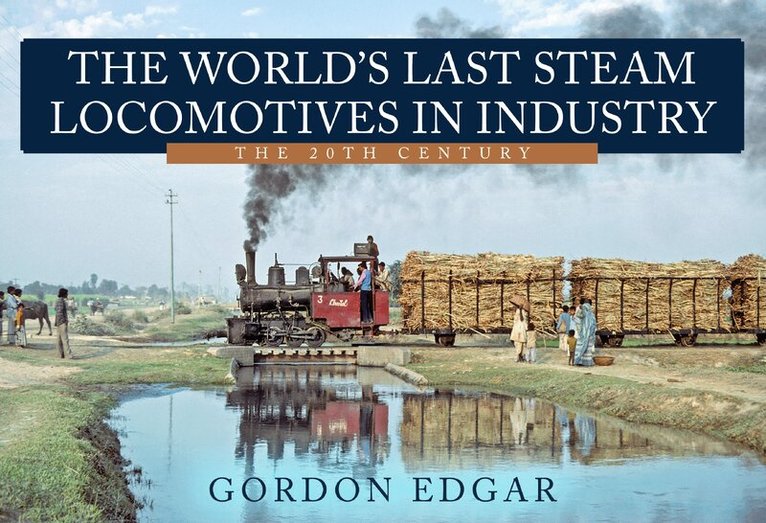
Following on from his popular series examining industrial steam in regions of the UK, Gordon Edgar looks at a series of fascinating workings around the world during the final days of steam in industry. Numerous globe-trotting trips in the latter part of the twentieth and early twenty-first century by the author, and other talented photographers, has produced a remarkable record of steam at work in locations as varied as Western and Eastern Europe, South America, Asia, and Australia.With stunning, evocative photographs that capture not only the final days of these industrial workhorses, but also the atmosphere of the environments in which they toiled, including coal mines, quarries, steelworks, and sugar plantations, this is a fitting tribute to an important aspect of international industrial history. This first of two volumes focuses on scenes captured in the latter decades of the twentieth century.

227 kr
Skickas inom 5-8 vardagar