Gordon K. Mantler – författare
Visar alla böcker från författaren Gordon K. Mantler. Handla med fri frakt och snabb leverans.
10 produkter
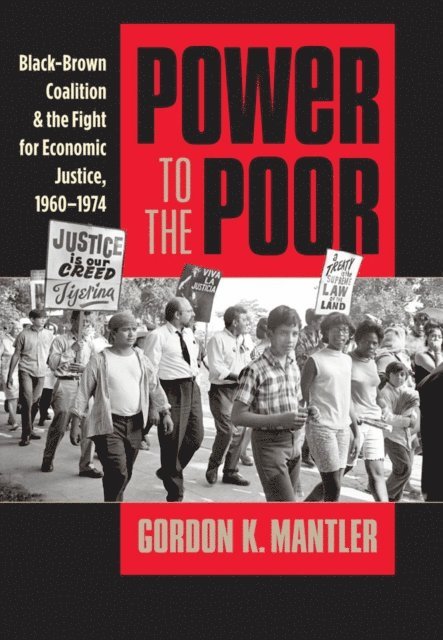
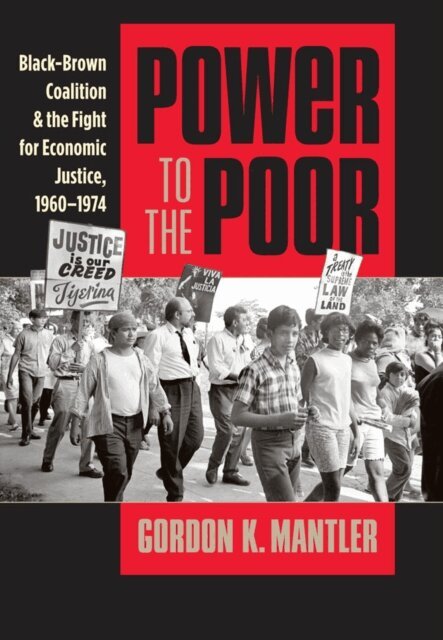
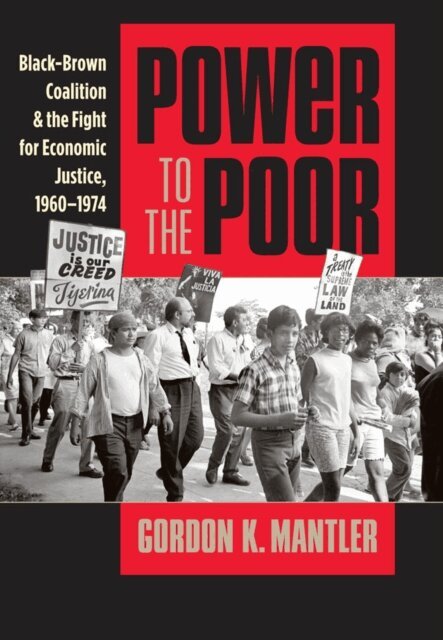
Power to the Poor
Black-Brown Coalition and the Fight for Economic Justice, 1960-1974
E-bok, 2013
286 kr
Lägg i varukorg
The Poor People’s Campaign of 1968 has long been overshadowed by the assassination of its architect, Dr. Martin Luther King Jr., and the political turmoil of that year. In a major reinterpretation of civil rights and Chicano movement history, Gordon K. Mantler demonstrates how King’s unfinished …
Power to the Poor
Black-Brown Coalition and the Fight for Economic Justice, 1960-1974
E-bok, 2013
1204 kr
Lägg i varukorg
The Poor People''s Campaign of 1968 has long been overshadowed by the assassination of its architect, Dr. Martin Luther King Jr., and the political turmoil of that year. In a major reinterpretation of civil rights and Chicano movement history, Gordon K. Mantler demonstrates how King''s unfinished …
Power to the Poor
Black-Brown Coalition and the Fight for Economic Justice, 1960-1974
Häftad, 2015
459 kr
Lägg i varukorg
The Poor People's Campaign of 1968 has long been overshadowed by the assassination of its architect, Dr. Martin Luther King Jr., and the political turmoil of that year. In a major reinterpretation of civil rights and Chicano movement history, Gordon K. Mantler demonstrates how King's unfinished …
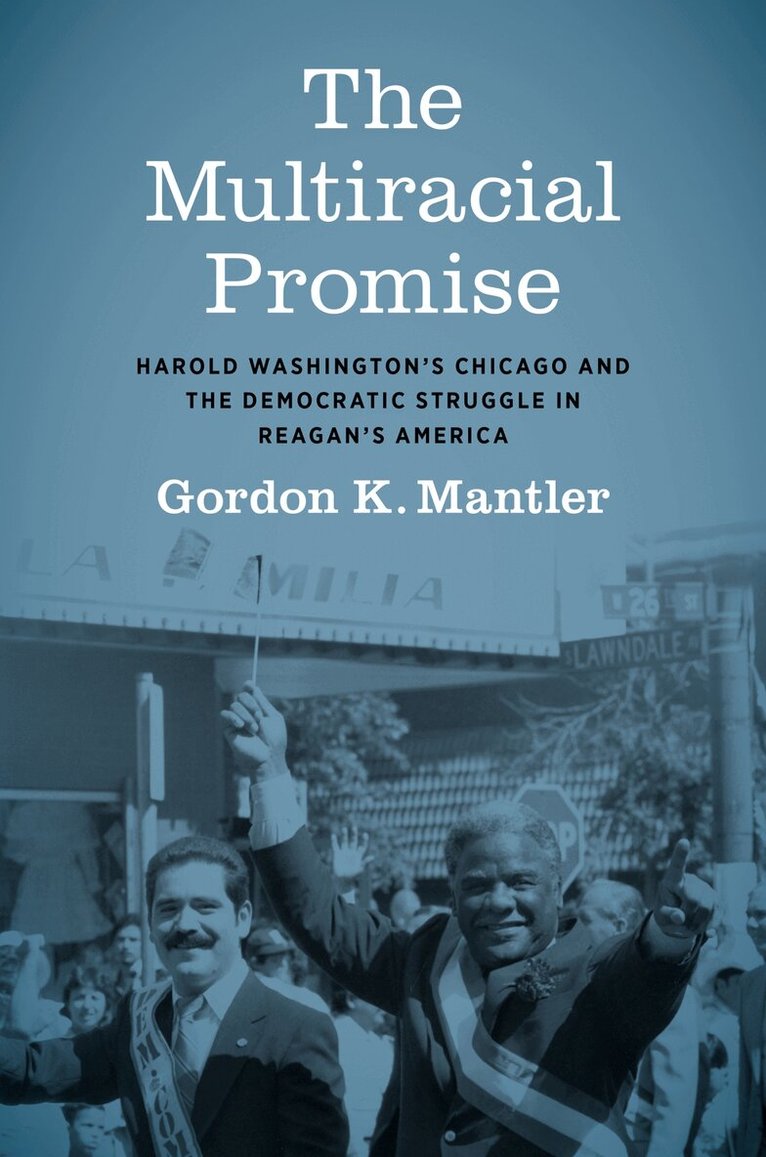
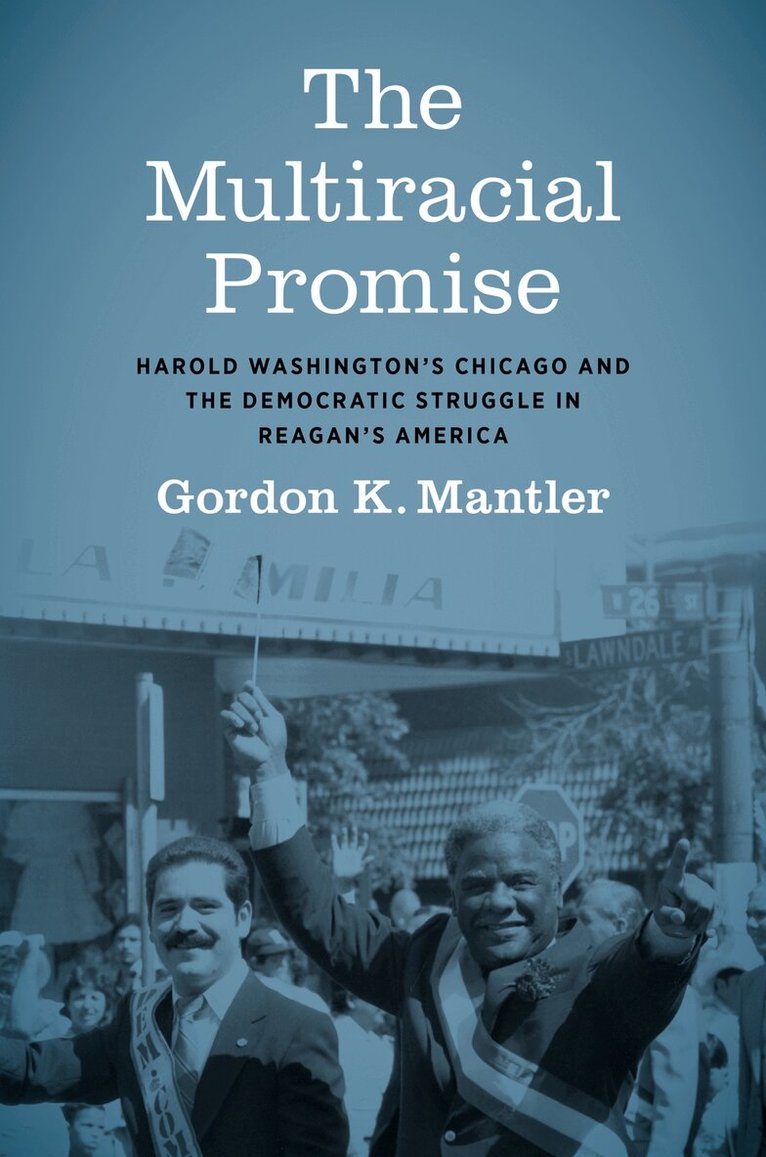
Multiracial Promise
Harold Washington's Chicago and the Democratic Struggle in Reagan's America
Inbunden, 2023
1230 kr
Lägg i varukorg
In April 1983, a dynamic, multiracial political coalition did the unthinkable, electing Harold Washington as the first Black mayor of Chicago. Washington's victory was unlikely not just because America's second city was one of the nation's most racially balkanized but also because it came at a time …
Multiracial Promise
Harold Washington's Chicago and the Democratic Struggle in Reagan's America
Häftad, 2023
400 kr
Lägg i varukorg
In April 1983, a dynamic, multiracial political coalition did the unthinkable, electing Harold Washington as the first Black mayor of Chicago. Washington's victory was unlikely not just because America's second city was one of the nation's most racially balkanized but also because it came at a time …
Multiracial Promise
Harold Washington''s Chicago and the Democratic Struggle in Reagan''s America
E-bok, 2023
2164 kr
Lägg i varukorg
In April 1983, a dynamic, multiracial political coalition did the unthinkable, electing Harold Washington as the first Black mayor of Chicago. Washington’s victory was unlikely not just because America’s second city was one of the nation’s most racially balkanized but also because it came at a time …
Multiracial Promise
Harold Washington''s Chicago and the Democratic Struggle in Reagan''s America
E-bok, 2023
312 kr
Lägg i varukorg
In April 1983, a dynamic, multiracial political coalition did the unthinkable, electing Harold Washington as the first Black mayor of Chicago. Washington’s victory was unlikely not just because America’s second city was one of the nation’s most racially balkanized but also because it came at a time …
Multiracial Promise
Harold Washington''s Chicago and the Democratic Struggle in Reagan''s America
E-bok, 2023
2229 kr
Lägg i varukorg
In April 1983, a dynamic, multiracial political coalition did the unthinkable, electing Harold Washington as the first Black mayor of Chicago. Washington’s victory was unlikely not just because America’s second city was one of the nation’s most racially balkanized but also because it came at a time …
Power to the Poor
Black-Brown Coalition and the Fight for Economic Justice, 1960-1974
E-bok, 2013
286 kr
Lägg i varukorg
The Poor People’s Campaign of 1968 has long been overshadowed by the assassination of its architect, Dr. Martin Luther King Jr., and the political turmoil of that year. In a major reinterpretation of civil rights and Chicano movement history, Gordon K. Mantler demonstrates how King’s unfinished …
Power to the Poor
Black-Brown Coalition and the Fight for Economic Justice, 1960-1974
E-bok, 2013
1062 kr
Lägg i varukorg
The Poor Peoples Campaign of 1968 has long been overshadowed by the assassination of its architect, Dr. Martin Luther King Jr., and the political turmoil of that year. In a major reinterpretation of civil rights and Chicano movement history, Gordon K. Mantler demonstrates how Kings unfinished …