Graeme Forbes – författare
Visar alla böcker från författaren Graeme Forbes. Handla med fri frakt och snabb leverans.
10 produkter
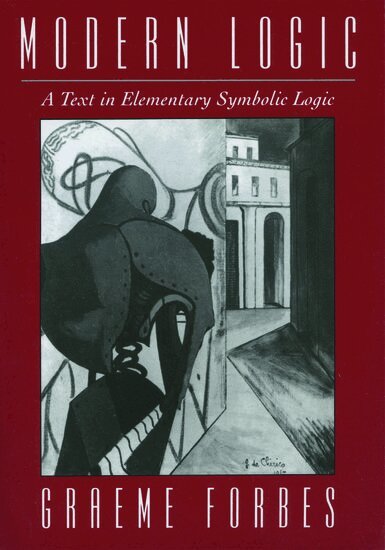
Modern Logic
A Text in Elementary Symbolic Logic
Häftad, 1994
2610 kr
Lägg i varukorg
Modern Logic is a text designed for a first course in symbolic logic for students in philosophy, mathematics, computer science, or linguistics. The book covers classical sentential logic, monadic predicate logic, and full first-order logic with identity, in three separate sections. Modern Logic's …
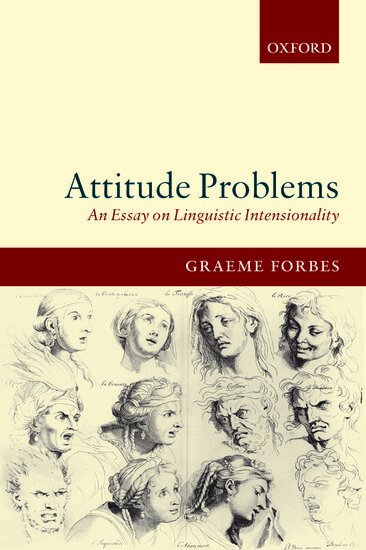
Attitude Problems
An Essay On Linguistic Intensionality
Inbunden, 2006
1901 kr
Lägg i varukorg
Ascriptions of mental states to oneself and others give rise to many interesting logical and semantic problems. Attitude Problems presents an original account of mental state ascriptions that are made using intensional transitive verbs such as 'want', 'seek', 'imagine', and 'worship'. Forbes offers …
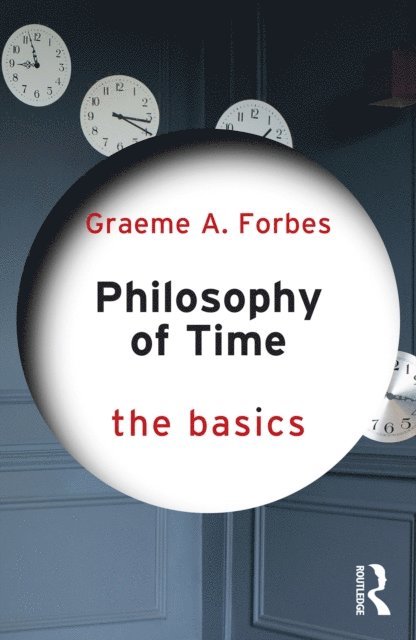
Philosophy of Time: The Basics
E-bok, 2024
295 kr
Lägg i varukorg
What is time? Does it pass? Is the future open? Why do we care? Philosophy of Time: The Basics doesn’t answer these questions. It does give you an opinionated introduction to thinking a bit more deeply about them. Written in a way that assumes no philosophical background from its readers, this book …
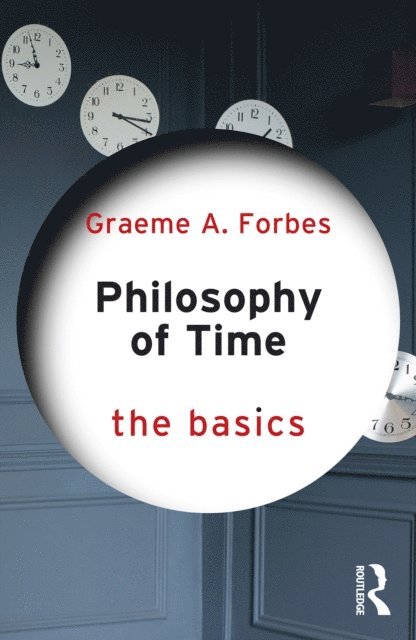
Philosophy of Time: The Basics
E-bok, 2024
295 kr
Lägg i varukorg
What is time? Does it pass? Is the future open? Why do we care? Philosophy of Time: The Basics doesn’t answer these questions. It does give you an opinionated introduction to thinking a bit more deeply about them. Written in a way that assumes no philosophical background from its readers, this book …
Philosophy of Time: The Basics
Häftad, 2024
283 kr
Lägg i varukorg
What is time? Does it pass? Is the future open? Why do we care? Philosophy of Time: The Basics doesn’t answer these questions. It does give you an opinionated introduction to thinking a bit more deeply about them. Written in a way that assumes no philosophical background from its readers, this book …
Philosophy of Time: The Basics
Inbunden, 2024
2126 kr
Lägg i varukorg
What is time? Does it pass? Is the future open? Why do we care? Philosophy of Time: The Basics doesn’t answer these questions. It does give you an opinionated introduction to thinking a bit more deeply about them. Written in a way that assumes no philosophical background from its readers, this book …
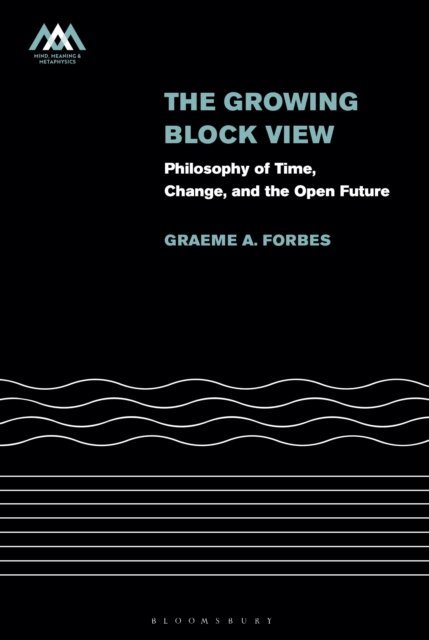
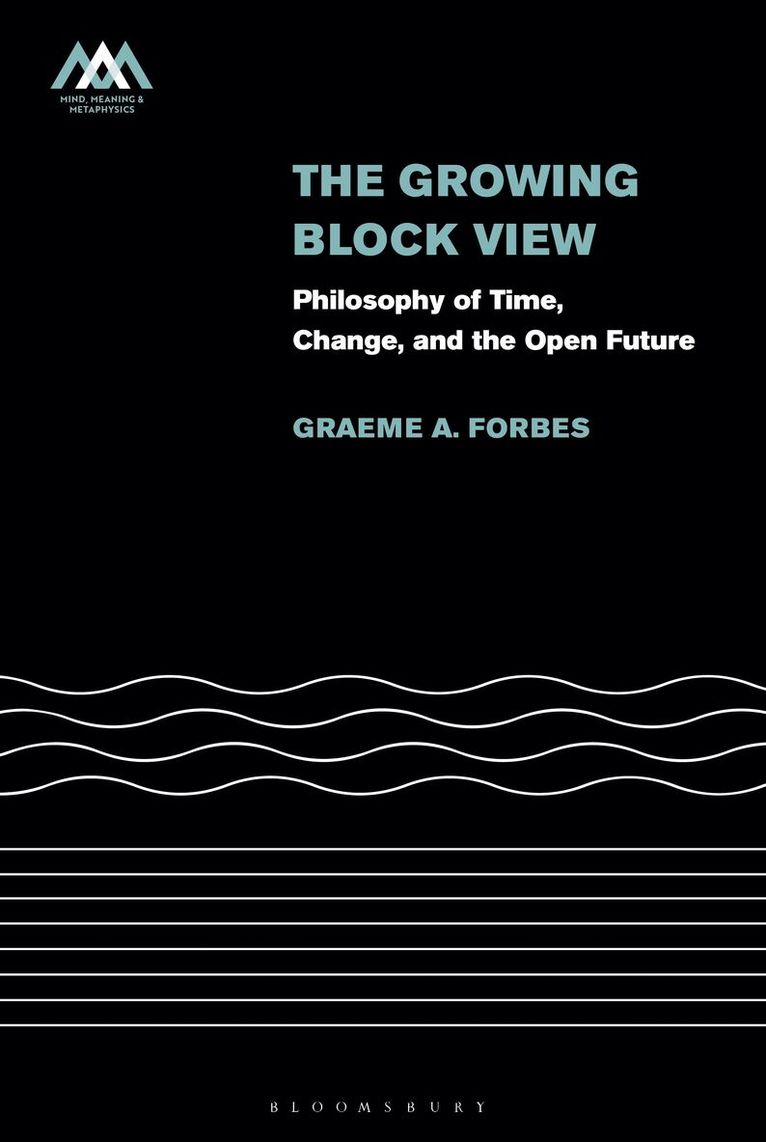
Growing-Block View
Philosophy of Time, Change, and the Open Future
Av Graeme Forbes, Johannes L. Brandl
Inbunden, 2025
1275 kr
Lägg i varukorg
What makes time interesting and what is time? Graeme A. Forbes presents a robust defence of the metaphysical asymmetry between past and future, providing a compelling argument for the acceptance of the Growing-Block view.Taking us from the armchair to philosophy of physics, and then out to the …
Growing-Block View
Philosophy of Time, Change, and the Open Future
E-bok, 2025
1403 kr
Lägg i varukorg
What makes time interesting and what is time? Graeme A. Forbes presents a robust defence of the metaphysical asymmetry between past and future, providing a compelling argument for the acceptance of the Growing-Block view. Taking us from the armchair to philosophy of physics, and then out to the …
Growing-Block View
Philosophy of Time, Change, and the Open Future
E-bok, 2025
1403 kr
Lägg i varukorg
What makes time interesting and what is time? Graeme A. Forbes presents a robust defence of the metaphysical asymmetry between past and future, providing a compelling argument for the acceptance of the Growing-Block view. Taking us from the armchair to philosophy of physics, and then out to the …
Growing-Block View
Philosophy of Time, Change, and the Open Future
Av Graeme Forbes, Johannes L. Brandl m. fl.
Häftad, 2026
413 kr
Kommande
What makes time interesting and what is time? Graeme A. Forbes presents a robust defence of the metaphysical asymmetry between past and future, providing a compelling argument for the acceptance of the Growing-Block view.Taking us from the armchair to philosophy of physics, and then out to the …