Graham Adams – författare
Visar alla böcker från författaren Graham Adams. Handla med fri frakt och snabb leverans.
6 produkter
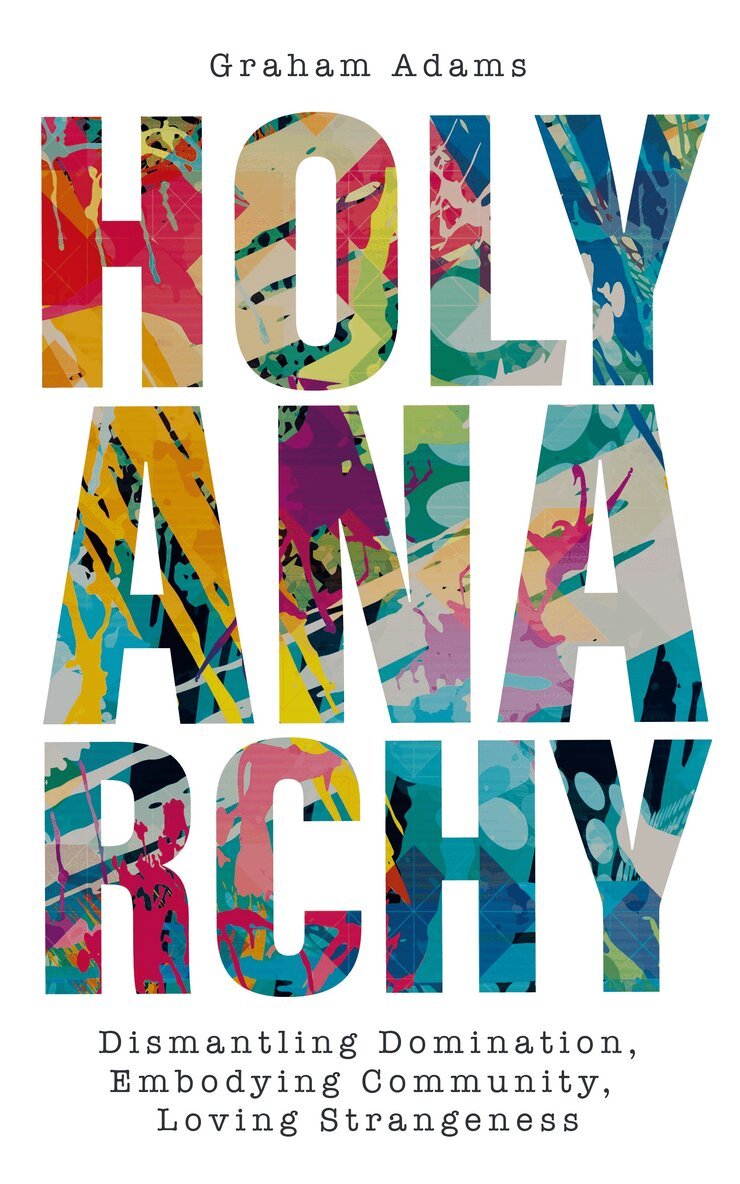
Holy Anarchy
Dismantling Domination, Embodying Community, Loving Strangeness
Av Graham Adams
Häftad, 2022
357 kr
Lägg i varukorg
Perhaps, after all, the decolonising agenda isn’t extra baggage the church needs to carry on top of everything else. Perhaps, instead, it is the very heart of what the church should be about – disrupting, uncomfortable, and bringing about a kind of ‘holy anarchy’.In Holy Anarchy, Graham Adams …
Holy Anarchy
Dismantling Domination, Embodying Community, Loving Strangeness
Av Graham Adams
E-bok, 2022
319 kr
Lägg i varukorg
Perhaps, after all, the decolonising agenda isn’t extra baggage the church needs to carry on top of everything else. Perhaps, instead, it is the very heart of what the church should be about – disrupting, uncomfortable, and bringing about a kind of ‘holy anarchy’. In Holy Anarchy, Graham Adams …
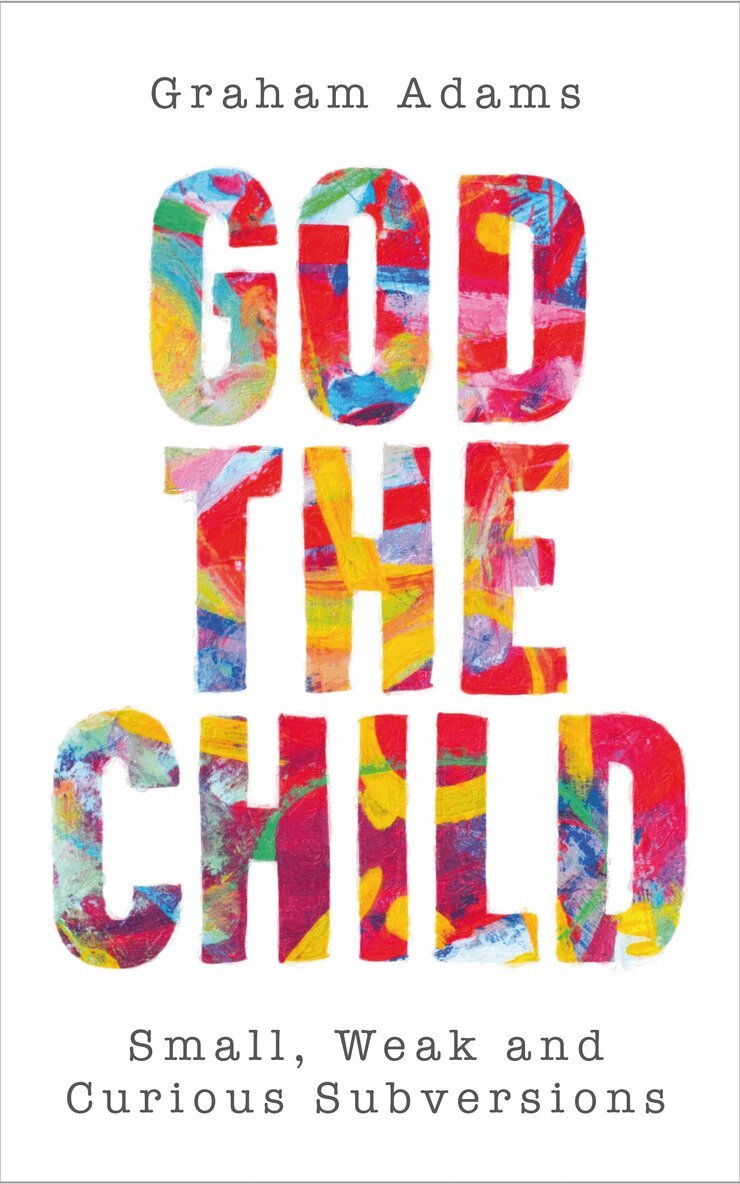
God the Child
Small, Weak and Curious Subversions
Av Graham Adams
Häftad, 2024
294 kr
Lägg i varukorg
We express the mystery of God with diverse metaphors, but mostly in Adult terms. In this experimental theological adventure, Graham Adams imagines what might flow from a more thorough ‘be-child-ing’ of God. Aware that the Child can be idealized, he selects particular characteristics of childness in …
God the Child
Small, Weak and Curious Subversions
Av Graham Adams
E-bok, 2024
326 kr
Lägg i varukorg
We express the mystery of God with diverse metaphors, but mostly in Adult terms. In this experimental theological adventure, Graham Adams imagines what might flow from a more thorough ‘be-child-ing’ of God. Aware that the Child can be idealized, he selects particular characteristics of childness in …
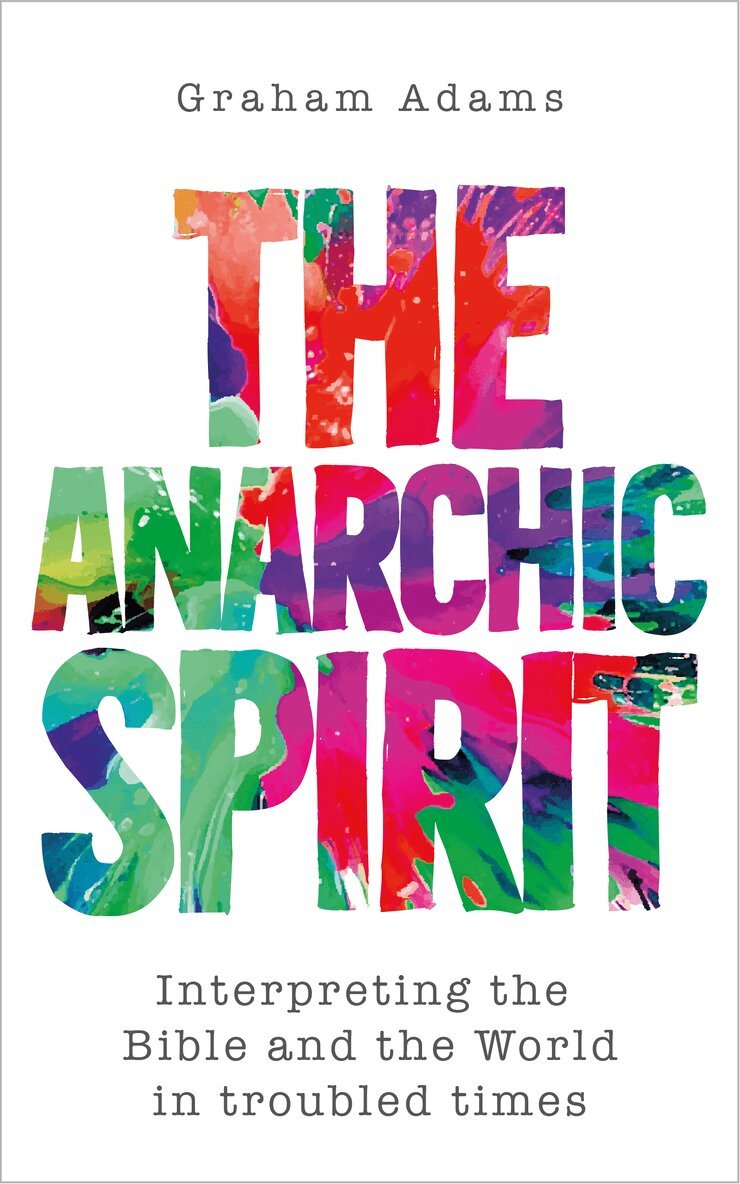
Anarchic Spirit
Interpreting the Bible and the World in troubled times
Av Graham Adams
Häftad, 2026
325 kr
Lägg i varukorg
In a world in which our stories, troubles and complicities are entangled, might we also find in the Bible people with similar experience? In a world in which uncertainty abounds but the resurgent desire for mastery only deepens the polycrisis, can we seek out faith that takes uncertainty seriously, …
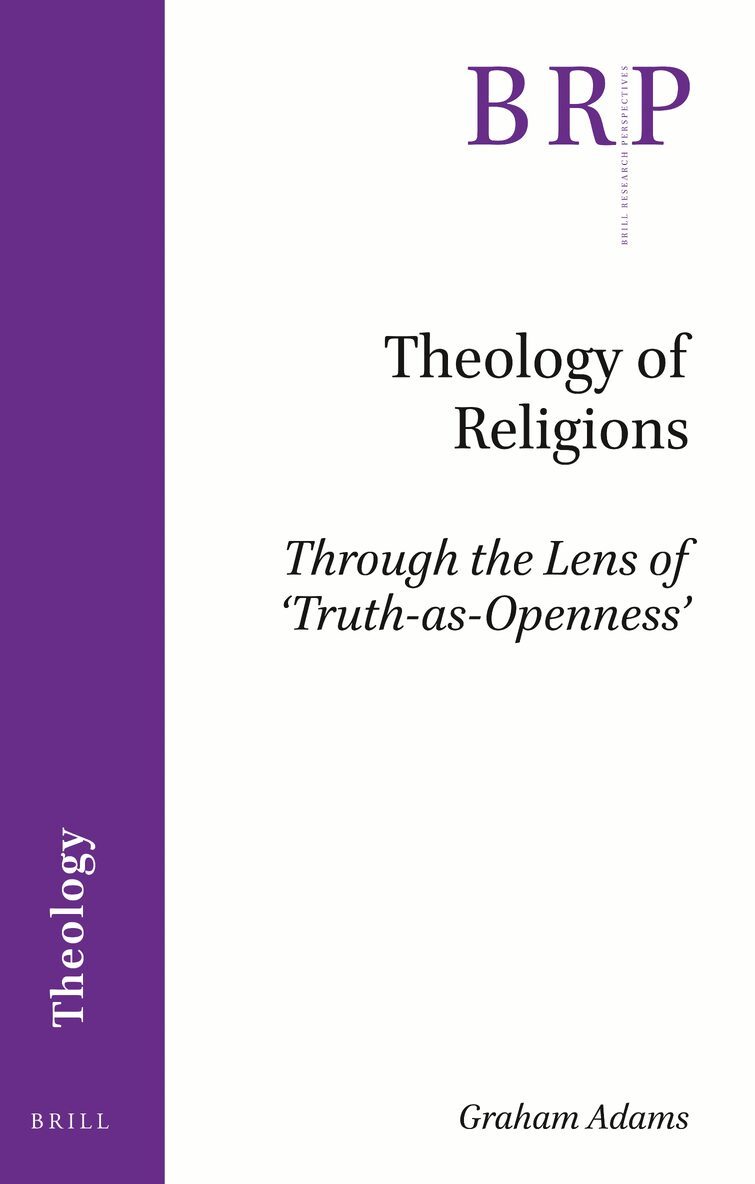
Theology of Religions
Through the Lens of ‘Truth-as-Openness’
Av Graham Adams
Häftad, 2019
1240 kr
Lägg i varukorg
In Theology of Religions Graham Adams maps and analyses the field of ‘theology of religions’ (ToR) and its various typologies, examining the assumptions in how religion is assessed. The purpose is to identify how contributions to ToR select and deselect material and trajectories, editing according …